




The Namibia Private Practitioners Forum (NPPF) has raised concerns over the country’s preparedness to implement the health ministry’s reform plan to redirect Public Service Employees Medical Aid Scheme (Psemas) beneficiaries to state facilities.
The plan, dubbed Vision April 2026, is part of the government’s aims to strengthen the public healthcare system to advance Universal Health Coverage and improve equity and sustainability in the sector.
It is scheduled to start on 1 April, targeting leaders in the public service.
However, the forum warns that unresolved financial and operational gaps could affect Psemas members’ access to care.
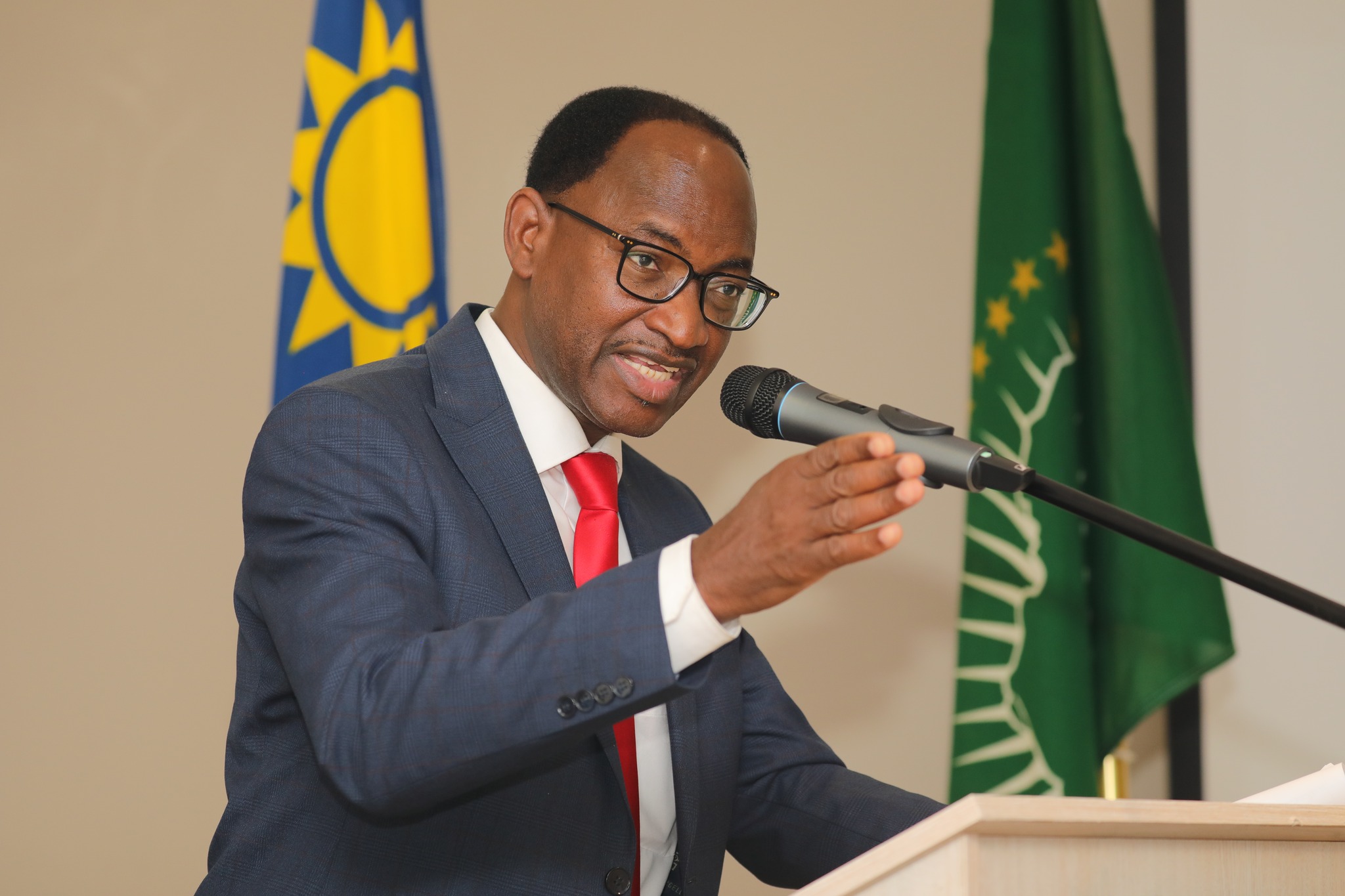
In a press release issued on Tuesday, NPPF chief executive Jürgen Hoffmann says the forum supports the national objective of strengthening public healthcare and advancing Universal Health Coverage, but questions whether the current implementation timeline sufficiently protects patients. “The concern is not with reform itself, but with whether the current implementation timeline sufficiently protects Psemas members’ access to safe, continuous and appropriately funded care,” Hoffmann says.
The forum says the funding context of Psemas remains incomplete. It notes that while the health minister referenced a Psemas budget of approximately N$3.9 billion flowing into the private sector, important financial realities were not disclosed.
According to the NPPF, Psemas continues to reimburse providers at 2014 Namibian Association of Medical Aid Funds tariff levels, with the resulting shortfall being absorbed by private practitioners and funders, including gap cover products.
“Any reform process must begin with accurate financial baselines. Transparency regarding the real purchasing power of Psemas is essential to informed public debate and sustainable reform,” Hoffmann says.
The forum further states that the ministerial update did not clarify which tariff schedule or coding framework will govern care once Psemas members are redirected to public facilities from 1 April.
“This omission has direct implications for patients who risk entering a system without the administrative and financial architecture required to fund and process their care,” the statement reads.
The NPPF says a functional national reimbursement system requires a lawful and transparent tariff base, a recognised coding and claims-processing architecture, and a cost-study methodology aligned with regional and international standards.
“To date, no such framework has been presented to practitioners or the public, leaving uncertainty about how care will be funded and administered under Vision April 2026,” Hoffmann says.
The forum has expressed concern over what it terms a lack of structured engagement with the private healthcare sector, saying uncertainty remains among specialists, general practitioners and allied health professionals about how the reforms will operate in practice.
“Psemas members deserve certainty that their care will remain accessible, funded and clinically appropriate throughout the transition to Vision April 2026,” Hoffmann says.
The concerns follow the health ministry’s recent update to parliament on Vision April 2026, which outlines the government’s plan to strengthen public healthcare services and progressively redirect Psemas beneficiaries to state facilities as part of broader health sector reforms aimed at improving equity and sustainability.
In her ministerial statement, the health minister highlights progress in workforce expansion, including the creation of over 2 000 new posts, with 1 262 reportedly filled, as part of preparations for the reform.
The NPPF, however, calls for further detail on the breakdown of posts by cadre, specialty and facility, as well as publication of specialist availability and regional waiting times.
The forum says it remains ready to engage constructively with the ministry to ensure that reforms are technically sound, legally compliant and centred on patients.
In an age of information overload, Sunrise is The Namibian’s morning briefing, delivered at 6h00 from Monday to Friday. It offers a curated rundown of the most important stories from the past 24 hours – occasionally with a light, witty touch. It’s an essential way to stay informed. Subscribe and join our newsletter community.

The Namibian uses AI tools to assist with improved quality, accuracy and efficiency, while maintaining editorial oversight and journalistic integrity.
Stay informed with The Namibian – your source for credible journalism. Get in-depth reporting and opinions for
only N$85 a month. Invest in journalism, invest in democracy –
Subscribe Now!