





I happened to be in a bar in South Africa on the day of the Rugby World Cup final. Green and gold are the colours of choice, and outside everyone is getting ready to braai.
This is the second time I am faced with such a fate.
The first time was 1995 and it took everyone more than a week to get over what must have been the biggest collective hangover in South African history. This time, I feared, the same positive outcome might spark something much, much bigger, seeing as the kick-off was long before lunch.
Also, the people seem just that little more desperate for some good news these days.
It was not that deep into the first half of the game that I sensed a collective mood change. It was as if everyone realised at once that their team may just bring back the bacon. To the left and to the back of me, life-weary eyes filled with tears and stayed that way. I do not think I have seen someone cry that much during a sports event. Ever.
Every point scored was celebrated. Stiff drinks helped overcome shyness and promoted long, hard, rib-crunching hugs among hard-core men from all sides of the great social divide. I suppose there is a first for everything and this certainly was a worthy occasion if ever there was one. A few ample bodied men relived their days in the front row of their youth. Crouch, set, engage!
Outside someone became inspired and started practising random tackles. Before long, he was forced to take a break, resting his forehead on his dust-covered forearms. His day and game were over, and his female companion looked relieved. At least he retired early and without serious harm or injury.
Half-time arrived just in time. Everyone needed to reflect, refill and reposition. Then it was back to the business of winning a World Cup and inspiring a nation.
Leonard Cohen said that once you write a poem, you need to get out of its way. It no longer belongs to you, the creator, but to the greater collective, and they will do with it as they deem fit.
Right after another penalty and a further increase in the lead, I realised building a nation is not that different to writing a poem. Sometimes it requires the politicians to get out of the way. Let the people decide how to do it.
Anyone from anywhere would have understood at that moment that ordinary folk do not hate each other. If left alone, they are capable of great things. Great things like winning a World Cup and building a nation.
Someone I knew once said that to build a nation with liberalism is not unlike trying to dig a hole in the ground with a piece of cooked spaghetti. It seems impossible and you know that even if it does get done, it would take forever.
A father with his young boy moved closer to the screen in front of me. The boy, who seemed no older than six or seven, accepted from someone to the left, and potato chips from someone to the right. Both were gifts from strangers.
With the match building to a crescendo and with the outcome more obvious, the crowd burst into song. It was beautiful and honest, and it came from somewhere spiritual. For just a little while, no amount of political pain and economic frustration could displace the true spirit of this nation. No emotion provides as much warmth and comfort as pride. I could not help thinking that nothing beats this, the purest sense of belonging. Yet, this very country’s past presents daily evidence of how destructive a force nationalism can be. It was the French writer Albert Camus who proclaimed: “I love my country too much to be a nationalist.”
The last few minutes will forever remain with me. More so than in 1995. I have never seen and felt that much joy. The energy was electric. It was raw and undiluted. Stripped down and whipped up. How can anyone not be moved?
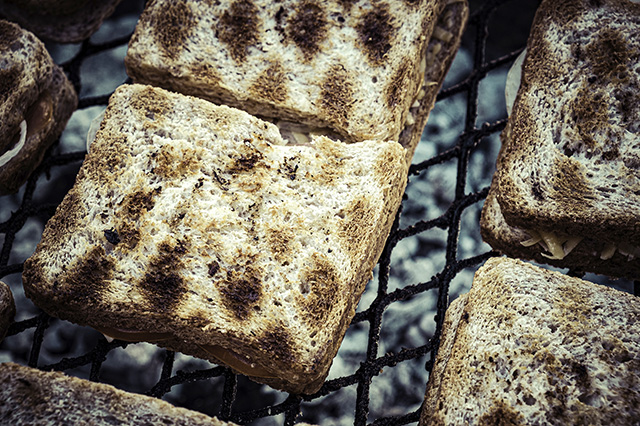
Outside someone had put some meat on the . Time for and for the real party to begin.
With the game over and people moving toward the tables with meat came the chance to talk to some of the patrons. I quickly realised that there are few rugby playing nations with better inspirational stories than our neighbours. By the time the players ran onto the field, some of them had already faced and survived far, far bigger human challenges. In the words of the coach, “in South Africa, pressure is not having a job. Pressure is one of your close relatives being murdered”. Lest we forget, life is not a game, and rugby is just a game. But us humans, we all need hope, and in that bar, I saw a lot of hope. Much more so for the young kids who were brought to witness their idols play. When the man sitting next to me pointed to the young starry-eyed boy watching the victory ceremony and said “the next Siya Kolisi”, I thought he was right, and no one dared deny that.
Once the first boy completed the journey from being a fan watching rugby in the township tavern to being national captain lifting the greatest trophy, the path is paved, and the rest will follow.
Of course, come Monday, not much would have changed. The same issues and challenges will continue to shape and frustrate South African lives. Life goes on and eventually memories about the day in the bar will fade. But I doubt anyone will forget the victory. That warm feeling of generosity in joy and hope. That we too can be good at something and take on the world and win. It is not how the journey starts that is important, it is how it ends.
, South Africa. May there be many more.
are all the rage at the moment. Here is an interesting version I came across recently.
• 8 slices white bread
• Olive oil (to brush)
• 240 grams white cheddar cheese, sliced
• 1 large tomato, sliced
• 1⁄2 medium onion, peeled and sliced finely
• Salt and black pepper, to taste