


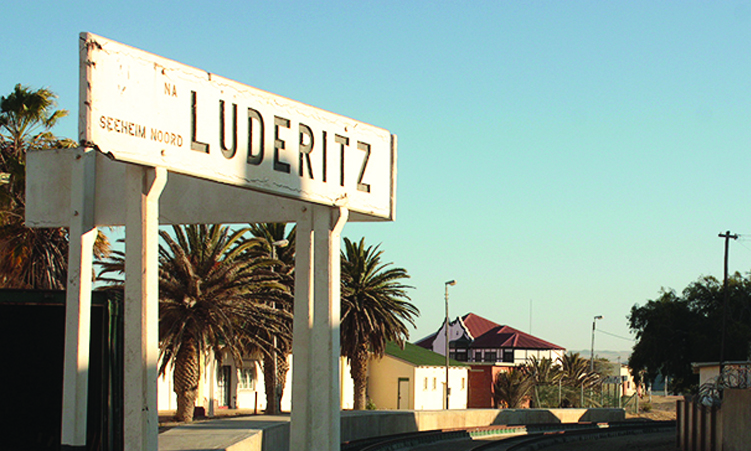
Residents of Lüderitz’ informal settlements are resorting to water from public toilets to drink to avoid expensive prepaid meters, sparking serious health and sanitation concerns.
The Amilema and Area 7 areas in particular have been affected by the municipality installing prepaid water meters in 2020.
A total of 15 were installed at Area 7 and two at Amilema. This, residents say, prevents them from accessing water freely. Area 7 accommodates about 7 000 residents and Amilema over 5 000.
Amilema resident David Mutota says the situation mainly affects the unemployed. He says there are only two taps at Amilema – both some distance from most households.
“Yes, it’s true. Some people fetch water from toilets because they do not have water cards. It is expensive and some live far from the taps,” he says.
Area 7 residents have raised concerns over poor sanitation in the community, saying they lack proper toilet facilities with many being broken or out of order.

‘WATER IS LIFE’
“Residents relieve themselves behind the surrounding rocks. This has made the area dirty. Yes, we thank the town council for electricity, but water is life and they must do something about it,” the residents say.
They are calling on the town council to install water storage tanks in the areas as alternative supplies.
Lüderitz Town Council spokesperson Elwin !Gaoseb says residents have been warned previously not to collect water from public toilets, but this has not resolved the issue, reducing public toilets’ functionality and hygiene standards.
In response to this, the town’s water division has disconnected water services to public toilets.
!Gaoseb says the continued vandalism has resulted in increased maintenance, putting cost pressures on the council.
‘VANDALISM’
“Since the installation of prepaid standpipe meters, residents in these areas have been engaging in vandalising the public toilet cistern kits. They are tampering with cistern components to illegally access water from toilet systems, allowing them to bypass the prepaid standpipe meters to avoid purchasing water tokens,” he says.
He says the practice has contributed to uncontrolled and illegal water usage with loss of council revenue from water sales.
“The council plans on engaging in civic education to sensitise the community to cease this practice.”
!Gaoseb did, however, not indicate whether the council plans to increase prepaid water points in the settlements, despite the small number of standpipes currently serving larger communities.
DISEASE
Medical doctor Tomica Zarou says public toilets are high-risk environments. They are used by many different people, and drinking from them could lead to disease.
Although municipal water is treated and generally safe at the source, Zarou says water from public toilets can become contaminated at the point of use.
“The main danger is exposure to water-borne diseases. These include diarrhoeal diseases caused by bacteria such as Escherichia coli and salmonella, which can lead to diarrhoea, stomach cramps, vomiting and dehydration,” she says.
She says contamination occurs in several ways as public facilities are frequently touched by people who may not have washed their hands.
Zarou says every time a toilet is flushed, tiny droplets containing germs spread through the air and onto surfaces, transporting germs.
“Cholera is another serious disease and can cause rapid fluid loss that may be fatal if not treated quickly. Hepatitis A, viral infections, infection of the liver, fever, nausea and yellowing of the eyes and skin are all diseases that could come from contaminated water,” she says.
Zarou says children, older people and those with chronic illnesses are at great risk of severe illness, urging people to only drink water from designated drinking water taps, kitchen taps, bottled water or tested water with approved methods like chlorine.
!Nami≠Nüs constituency councillor Susan Ndjaleka says the Lüderitz Town Council is obligated to ensure service delivery to the community, acknowledging the issue.
“I take note of this concern and will consult further for an amicable solution,” she says.
In an age of information overload, Sunrise is The Namibian’s morning briefing, delivered at 6h00 from Monday to Friday. It offers a curated rundown of the most important stories from the past 24 hours – occasionally with a light, witty touch. It’s an essential way to stay informed. Subscribe and join our newsletter community.

The Namibian uses AI tools to assist with improved quality, accuracy and efficiency, while maintaining editorial oversight and journalistic integrity.
Stay informed with The Namibian – your source for credible journalism. Get in-depth reporting and opinions for
only N$85 a month. Invest in journalism, invest in democracy –
Subscribe Now!