





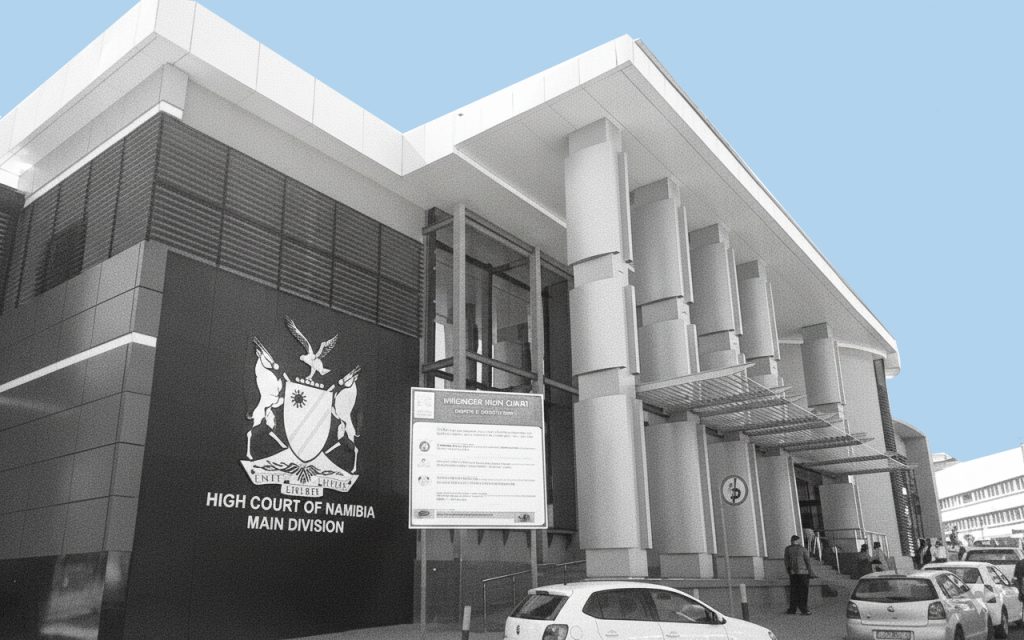
A high court ruling made last week temporarily sustains the Ministry of Finance’s payroll deductions management system (PDMS), forcing Namibian insurers to urgently seek alternative premium collection mechanisms to avoid disruption.
The system will remain operational until March 2026.
While this prevents immediate disruption to premium collections especially for funeral and credit life policies that rely heavily on payroll deductions, it emphasises the urgency for insurers in Namibia to secure alternative, reliable payment mechanisms.
If the PDMS is permanently discontinued, insurers risk losing a low-cost, low-risk channel that guarantees inflows from more than 100 000 civil servants.
The Namibian insurance market remains robust, with long-term insurance gross written premium (GWP) reaching N$14.4 billion in 2024, a 26.8% year-on-year increase, and profits before tax at N$4.2 billion.
Funeral and credit life policies dominate new business (with 38.3% and 19.3%, respectively), but these products are most vulnerable to lapses if moved to debit orders due to added bank charges.
Although lapse rates improved by 62% year on year in the first quarter of 2024, churn risk remains high for low-value policies.
If the PDMS ends, insurers face significant operational risks (higher collection costs, payment failures), financial risks (premium leakage, liquidity strain), and market risks (churn spikes and repricing pressure).
The Namibia Financial Institutions Supervisory Authority (Namfisa) warns that smaller policies may become unviable under debit orders, potentially reversing recent GWP growth and increasing lapse rates.
In the short term, the ruling is positive, giving insurers time to adapt.
Over the long term, however, structural changes in premium collection, product pricing, and risk management are inevitable.
Insurers must accelerate migration to debit order systems, educate policyholders, and invest in digital payment solutions to safeguard sustainability.
Lastly, Namibian insurers hold strong reserves, with total assets at N$83.8 billion and liabilities at N$71.7 billion as of 2024.
Liquid reserves grew to N$13.9 billion in the first half of 2025, and most insurers maintain solvency coverage over 10 times the required capital.
– Haimbili Ruben is a manager at Bancassurance. The views expressed above are his own.