



Delays experienced at numerous polling stations during Namibia’s national elections in November last year were the result of the legal framework governing elections in Namibia.
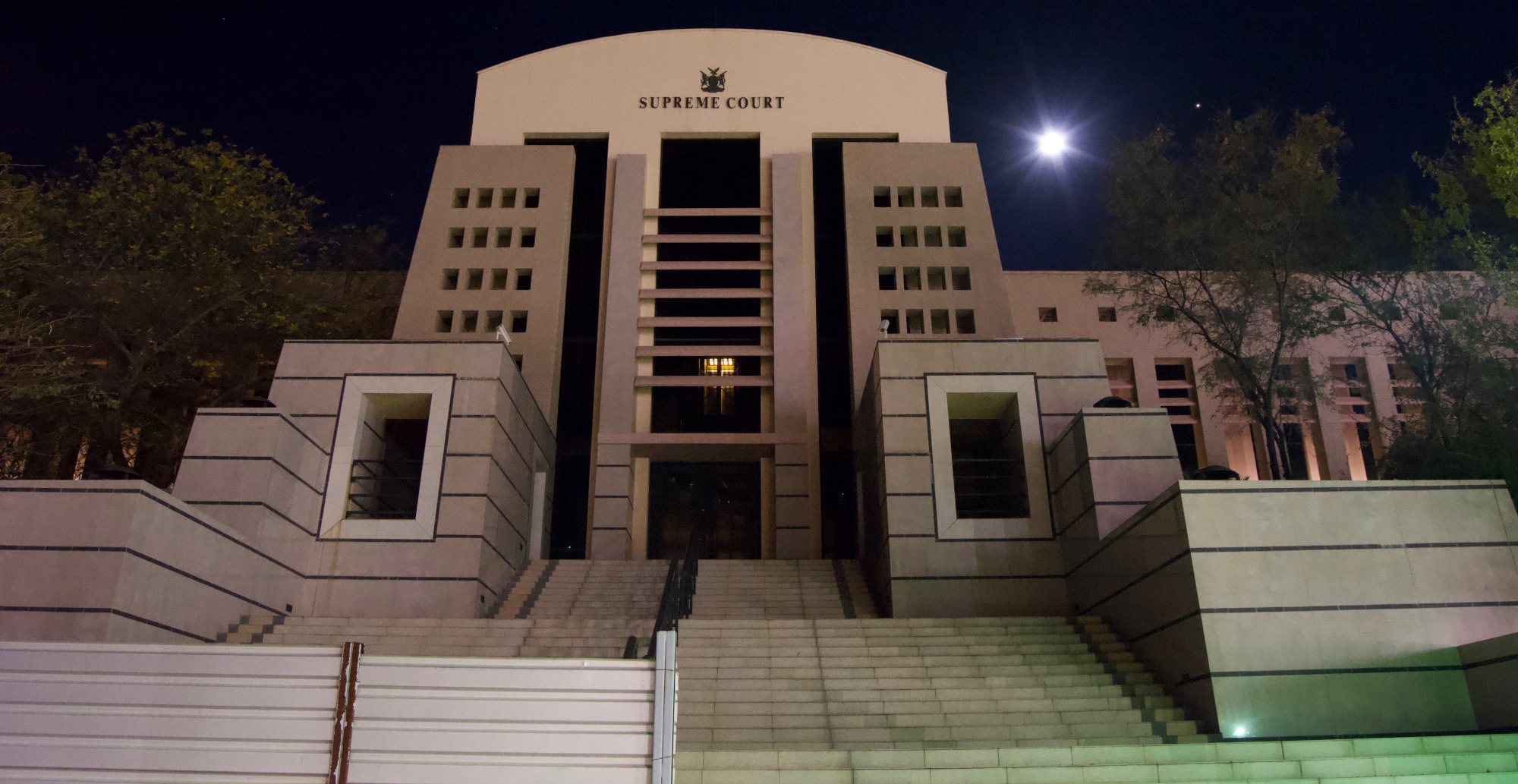
This is one of the findings made by the Supreme Court in the judgement in which it dismissed the presidential election challenge of Independent Patriots for Change (IPC) leader Panduleni Itula and Landless People’s Movement (LPM) leader Bernadus Swartbooi on Friday.
The court dismissed the two party leaders’ application to have the presidential election declared invalid and have a fresh election held.
Swapo candidate Netumbo Nandi-Ndaitwah was declared the winner of the election, after receiving 58% of the 1 099 582 valid votes cast. Itula received 25.8% of the votes, and Swartbooi 4.6%.
The Electoral Act permits a registered voter to vote at any polling station, and not necessarily at a polling station in the constituency where the voter is registered, the court noted in its judgement.
It remarked that it was a practical impossibility for the Electoral Commission of Namibia (ECN) to have known in advance how many voters would turn up at a particular polling station on the day of the elections on 27 November, and to distribute ballot papers in such a way that there would be enough ballot papers at each polling station.
President Nangolo Mbumba, acting on a recommendation of the ECN, extended the elections on 27 November to 29 and 30 November as well, after the ECN was informed that a shortage of ballot papers and problems with voter verification equipment at some polling stations resulted in voters being unable to take part in the elections.
The court stated: “In the absence of admissible evidence that the ECN’s lack of proper planning caused the problems experienced on polling day, it is an open question whether the ECN could have done better preparation.
The upshot of all of this is that in substantial part the delays experienced at the polls were the result of the legal framework governing elections in Namibia.”
The judgement is a joint and unanimous decision of chief justice Peter Shivute, deputy chief justice Petrus Damaseb, appeal judges Sylvester Mainga and Hosea Angula, and acting judge of appeal Dave Smuts.
The court found that Mbumba had the power to extend voting at polling stations where a shortage of ballot papers and problems with voter verification equipment were experienced.
The judges also stated that the extension was not shown to have prejudiced any potential voter or the presidential candidates, and its purpose was to make it possible for voters who were unable to take part in the elections due to a shortage of ballot papers and other difficulties at some polling stations to participate in the polls.
REACTION
LPM spokesperson Lifalaza Simataa yesterday said his party is concerned about the outcome of the election and the precedent this may set when it comes to how elections are held in Namibia and what checks and balances are in place.
“Namibians reacted negatively to the elections last year – one that has left a bitter taste in our people’s mouths when it comes to elections and its processes.
“We stand for a just process, one with checks and balances, and where the people’s expressions can be heard,” he said. Swapo deputy secretary general Uahekua Herunga welcomed the court’s decision.
“We have faith in the justice system and that is why we went to court to defend our case, and we are happy we emerged victorious. Now we need to deliver our promises to our people,” he said last week.
Political analyst Henning Melber said the two opposition party leaders had reason to seek a clarification in the Supreme Court on whether the president’s extension of voting days was constitutional.
The judges acknowledged that this question had merit, also by deciding that Itula and Swartbooi would not have to cover the legal costs of their opponents in the Supreme Court, Melber said.
“[The judgement] does not damage the parties’ reputation, and Swapo has reason to be grateful for this clarification, since it enhances the legitimacy of the election result,” he said.