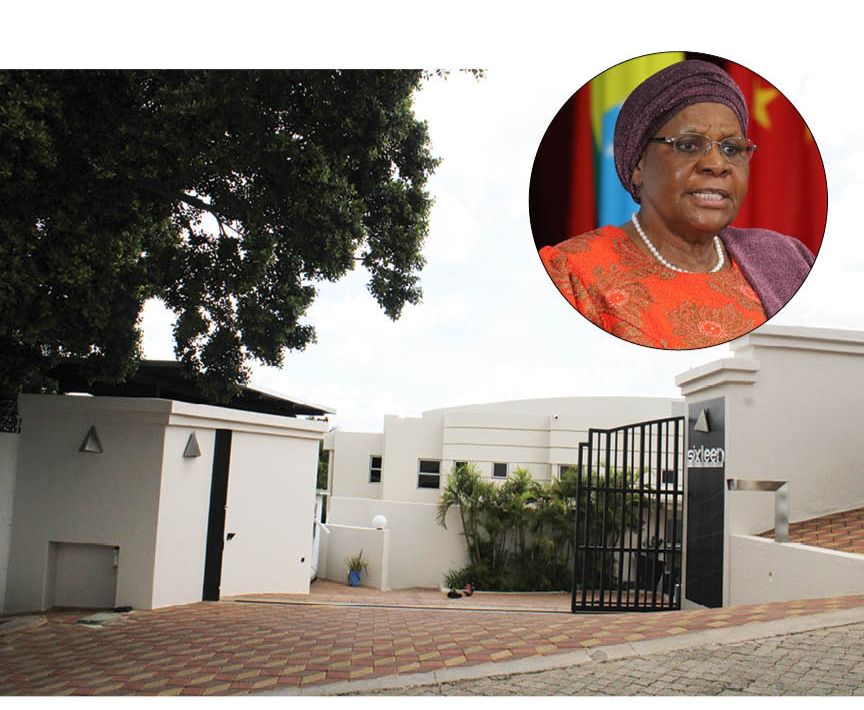





Several councillors have voiced opposition to a proposed bill that would reduce their powers and place them under the authority of regional governors.
Minister of urban and rural development James Sankwasa tabled the bill in the National Assembly in July, proposing amendments to the Regional Councils Act to allow for power sharing between regional councils and governors.
However, councillors say they want their powers to remain as is, given they were elected by the people and not the minister or governor.
The bill will be further debated in parliament this week.
Outapi Town Council Independent Patriots for Change councillor Sara Peelenga says the recently tabled bill undermines democracy.
“Councillors are voted for by the people and regional governors are appointed by the sitting president. Taking powers away from councillors is measured equivalent to taking away the mandate from the people and centering it around a single person who is not the choice of the larger population.
“Councillors’ powers must remain untouched,” she says.
Peelenga says politics is “everywhere” and must not be used as the reason to remove the powers and functions of a crucial body.
The bill proposes that powers to perform certain administrative functions should be delegated to management committees, while councils would focus more on policies and other strategic issues of a political and developmental nature in the region.
Peelenga says voters have forfeited their powers to the council and not to governors, adding that it is unacceptable to remove the mandate from the people.
“The minister must understand that councillors are just like a board of directors. They are elected to represent their community on a local council.”
Councils deal with communities’ concerns, making decisions on behalf of their community on local issues, and oversee services, she says.
They should, therefore, be involved in the appointment of the chief executive.
Peelenga adds that regional and local authority councillors are the choice of the larger population, while regional governors are appointed by the sitting president, which is one person only.
“Their interests are not the same. Councillors are more likely to work in favour of the communities that voted for them, while governors are more likely to please the president,” she says.
Meanwhile, National Council member and Okahandja constituency councillor Betheul Tjaveondja says the proposed change could positively or negatively affect the operations of the regional council.
“We would need to engage regional councils and come up with a collective decision guided by regional representation holistically,” he says.
The bill is currently under debate in the National Assembly.
In an age of information overload, Sunrise is The Namibian’s morning briefing, delivered at 6h00 from Monday to Friday. It offers a curated rundown of the most important stories from the past 24 hours – occasionally with a light, witty touch. It’s an essential way to stay informed. Subscribe and join our newsletter community.

The Namibian uses AI tools to assist with improved quality, accuracy and efficiency, while maintaining editorial oversight and journalistic integrity.
Stay informed with The Namibian – your source for credible journalism. Get in-depth reporting and opinions for
only N$85 a month. Invest in journalism, invest in democracy –
Subscribe Now!