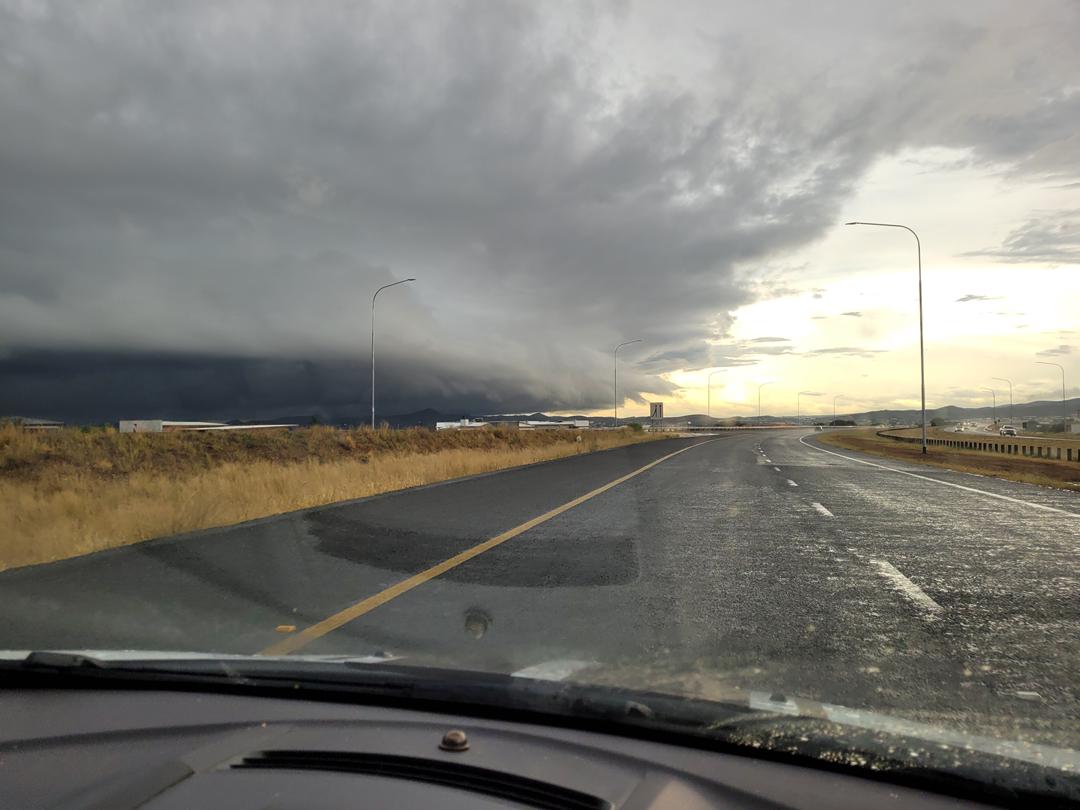




Unusual hazy, cool and drizzly conditions over Windhoek and surrounding areas in recent days have been linked to a low-pressure system off the Atlantic coast, according to the Namibia Meteorological Service.
Control meteorological technician for advisory and support services Odillo Kgobetsi told Nampa on Tuesday that although rain is uncommon at this time of year, occasional light showers remain possible under specific conditions.
“What we’re seeing is upper-level moisture drifting over Namibia, trapped by a mid-level temperature inversion. This leads to haze, cooler daytime temperatures and isolated showers,” he said.
Temperature inversions occur when warmer air sits above cooler air near the surface, preventing normal mixing and trapping moisture, particles and cold air closer to the ground.
The current weather pattern is expected to persist into early August, with additional cold fronts forecast to bring isolated rain and lower temperatures, particularly to the southern regions.
Kgobetsi said no major agricultural damage is expected. However, stock farmers have been cautioned to protect livestock and sensitive crops, especially in areas where temperatures may drop below 3 degrees Celsius.
In the north, the erratic conditions have already affected some farmers.
Ellenora Muranda, a horticulturalist in the Tsumeb district and runner-up for the 2024 Youth Horticulture Producer of the Year, describes this season as “business unusual”.
“Our green peppers are flowering, but not reaching market size, and onions are taking longer to harvest. There’s less sunlight, which affects ripening and increases irrigation needs,” she says.
Muranda says she has adapted by planting melons in seedling trays, a method typically unnecessary in the dry season, and notes that water supply remains a challenge as storage tanks are strained by both crops and livestock.
Despite the difficulties, she observed fewer pests such as the Black Diamond Moth and aphids, likely due to colder temperatures.
“We need more direct support from agricultural extension services to navigate these shifts,” she says.
Kgobetsi emphasised that Namibia’s weather is influenced by broader regional systems over Angola, Botswana and the Atlantic Ocean.
“Weather has no boundaries. That’s why constant monitoring using satellite data and observation stations is essential,” he said.
In an age of information overload, Sunrise is The Namibian’s morning briefing, delivered at 6h00 from Monday to Friday. It offers a curated rundown of the most important stories from the past 24 hours – occasionally with a light, witty touch. It’s an essential way to stay informed. Subscribe and join our newsletter community.

The Namibian uses AI tools to assist with improved quality, accuracy and efficiency, while maintaining editorial oversight and journalistic integrity.
Stay informed with The Namibian – your source for credible journalism. Get in-depth reporting and opinions for
only N$85 a month. Invest in journalism, invest in democracy –
Subscribe Now!