




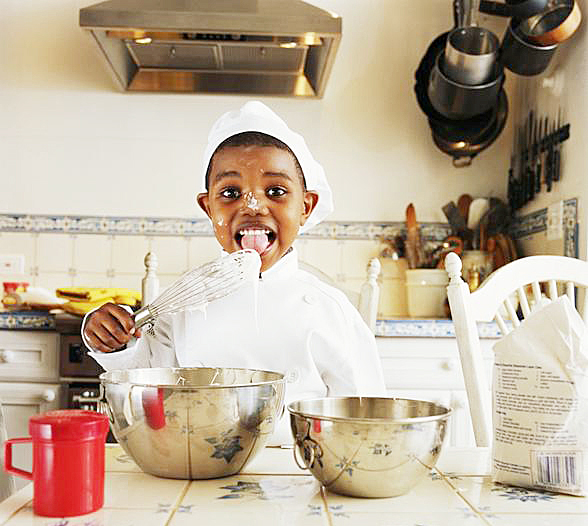
With the Namibia Chefs Association competition over and done with, many youngsters proved their interest in being in the kitchen and coming up with the perfect plate to impress the judges.
Hirondina Sangundji emerged as the winner of this year’s Junior Chef of the Year title, proving that you can never be too young to start cooking!
When you’re up for a delicious meal in any restaurant, chefs are responsible for tantalising your tastebuds and ensuring you leave happily licking your fingers in pleasure.
The YouthPaper looks at what it takes to be a chef.
Being a chef is quite a difficult job as there are times when you are constantly under pressure as you have to prepare a large number of meals in a short period of time. After all, you cannot leave your customers waiting for a long time otherwise they will leave and not get a chance to eat your masterpieces.
When they’re not cooking, however, chefs have a number of responsibilities in the kitchen. Checking the freshness of the food and ingredients is always important. If they do not, you might end up being served rotten food. Keeping food fresh is always key.
When other cooks are in the kitchen, chefs have to oversee their activities and assist in any way possible. They might have to raise their voices here and there, but it’s only because of the pressure to create the perfect dish.
Chefs have to play around with the menu occasionally and think of new ways to keep their customers satisfied. From Mexican fiestas to a night of African dishes only, chefs have to explore and of course, master different recipes and inform cooks or other food preparation workers in this regard.
No one likes to see cockroaches or mice running around their kitchen. Therefore, one of the tasks of a chef is to make sure that the kitchen is always kept clean. Ever tried making soup and left stains all over the stove or the floor? It’s more or less the same thing, except you are timed and constantly under pressure to finish the order. Imagine the mess!
But who doesn’t like a little cleanliness anyway? It is not only the need for the kitchen itself to be clean, but the equipment and other cooking material as well. Wouldn’t it be awful to be served in a restaurant with a dirty fork? There are always certain kitchen standards that must be upheld otherwise, when the health inspector comes around, your kitchen could be closed down permanently.
Once you become a chef, you get to hire and train new cooks. After all, the kitchen is your playground and you get to reign as the king or queen.
As a chef, you are also required to maintain food supplies that enter your kitchen or order whatever you might need for the special themed night you could be planning. Whether it’s lobster for a gourmet meal or burger patties for the kiddies menu, it’s a tough job keeping track, but it is definitely necessary.
If you would like to be a chef one day, you have to be passionate about cooking and serving others with the perfect meal. Know your way around a kitchen and know how to use various instruments. If you can’t tell the difference between a bread knife and a cheese knife… well, it might be quite difficult for you.
Luckily there are quite a number of cooking classes in Namibia that you can consider attending to boost your cooking skills a little more. You also need to have a serious love for food. If you don’t want to try out new flavours and even go international with your menu, it could get a little boring. Get creative with your food and love your food, because if you don’t, who will?
Although some establishments do not require you to have much of a formal education, if you want to work for well-known companies or restaurants, you might have to study for it. Institutions such as NICE (Namibia Institution of Culinary Education) can assist you in this regard. You might also want to check out the NCA in case they have any internships at the moment.
Specific industry-tailored short courses at the Polytechnic of Namibia offer the following:
A three-week meat and vegetable course that covers all the major cooking methods for meat and vegetables and a small theory component over three days which includes theory and recipe manual.
A two-week bakery and desserts course that covers an extensive range of bakery and dessert items as well as plenty of garnishes and decorations which includes a recipe booklet.
A one-week menu course that looks at a three- to four-course menu every day and is described as an ‘ideal’ starting point in a chef’s career. This includes a recipe booklet.
A one-week vegetarian course covering a variety of vegetarian starters and main courses which includes a recipe booklet.
The basic skills chef’s certificate course consists of six modules each which are two weeks long spread over the entire year.
Job experience is important, so make sure you know how to stay cool and calm under pressure. You might begin as a cook, but eventually, you can work your way up to the top. The opportunities are plenty and who knows? You might be invited to work abroad in a fancy restaurant where the wealthy love to dine. Being someone’s personal chef is also an option. It all starts with a spoon and a dream.
In an age of information overload, Sunrise is The Namibian’s morning briefing, delivered at 6h00 from Monday to Friday. It offers a curated rundown of the most important stories from the past 24 hours – occasionally with a light, witty touch. It’s an essential way to stay informed. Subscribe and join our newsletter community.

The Namibian uses AI tools to assist with improved quality, accuracy and efficiency, while maintaining editorial oversight and journalistic integrity.
Stay informed with The Namibian – your source for credible journalism. Get in-depth reporting and opinions for
only N$85 a month. Invest in journalism, invest in democracy –
Subscribe Now!