



Communal conservancies in Namibia earned close to N$460 million through joint venture tourism as well as from trophy hunting from 2013 to 2024.
This was said by minister of environment and tourism Indileni Daniel in the National Assembly on Thursday. She was responding to questions by Popular Democratic Movement parliamentarian Diederik Vries who had asked her to provide evidence comparing the revenue generated by trophy hunting to photographic tourism.
“Communal conservancies earned N$166.36 million through joint venture tourism while hunting brought N$292.55 million to the conservancies,” she said.
There are about 86 registered communal conservancies in Namibia.
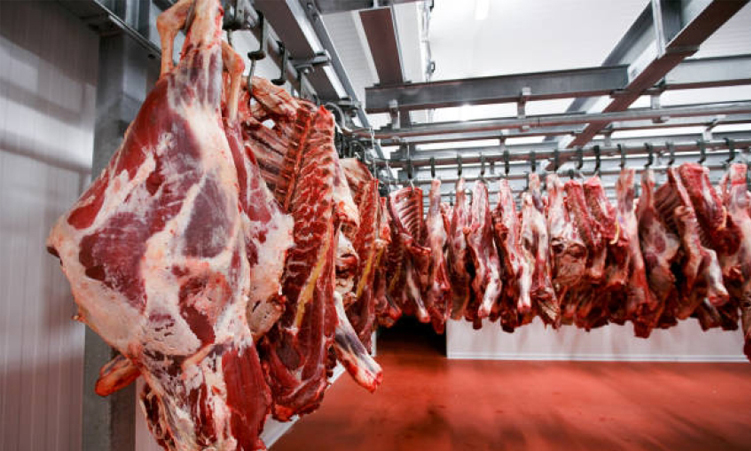
Daniel said trophy hunting also provided much-needed protein in the form of meat to rural communities and farmers.
“Both tourism and hunting provide employment, social development and training to members of the community. However, tourism has a far greater effect on the environment compared to hunting,” she said, adding that hunting reflects low numbers of visitors with high income.
The minister said conservation hunting is an important part of the country’s integrated sustainable development and conservation strategy.
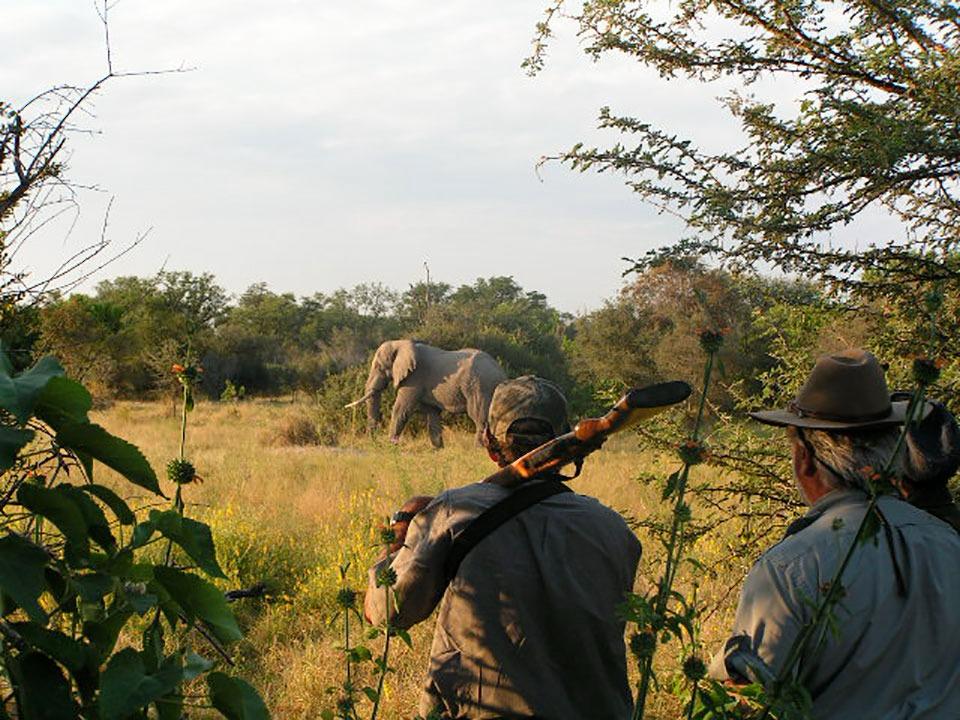
“The most economically valuable and least extractive form of hunting is selective, high-value hunting whereby an international client pays a premium to hunt older individual animals,” she said, adding that the ministry closely regulates this practice, through local professional hunters who accompany each client.
The clients may export part of the hunted animal as a trophy – a memento of the hunting experience.
“This form of hunting removes just under 1% of the national wildlife population each year, against typical wildlife population growth of about 25 to 35% per year.
“High-value hunting by clients from Europe, the United States and elsewhere is, therefore, an important contributor to the country’s sustainable wildlife economy and to Namibia’s growing ‘rewilding’ conservation programme,” she said.
According to Daniel, the ministry is mandated to ensure sustainable wildlife offtakes, with quota settings for communal conservancies and national parks designed to guarantee that consumptive utilisation remains responsible and long-term.
“Both hunting for meat and for trophies are guided by distinct sustainability criteria. It has been the established practice to issue annual quotas for both own use and conservation hunting in three-year cycles.
“This approach was adopted to enable conservancies, national parks and farmers to attract and enter into contracts with hunting operators in a manner that facilitates the smooth marketing of hunts,” she said.
– Email: matthew@namibian.com.na
In an age of information overload, Sunrise is The Namibian’s morning briefing, delivered at 6h00 from Monday to Friday. It offers a curated rundown of the most important stories from the past 24 hours – occasionally with a light, witty touch. It’s an essential way to stay informed. Subscribe and join our newsletter community.

The Namibian uses AI tools to assist with improved quality, accuracy and efficiency, while maintaining editorial oversight and journalistic integrity.
Stay informed with The Namibian – your source for credible journalism. Get in-depth reporting and opinions for
only N$85 a month. Invest in journalism, invest in democracy –
Subscribe Now!