



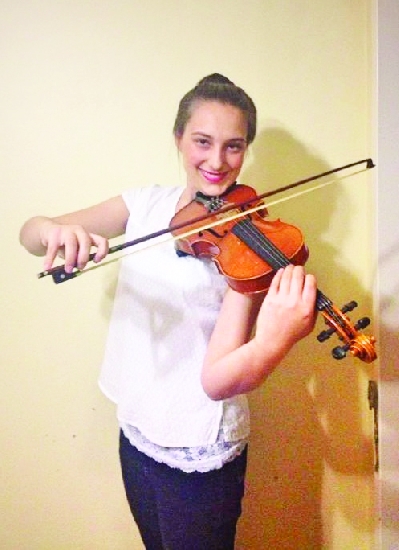
Classical music is an art produced in, or rooted in, the traditions of Western music. It incorporates an extremely broad variety of forms, styles, genres- famously Classical Piano, Classical guitar and singing.
The instruments used in most classical music were largely invented before the mid-19th century and consist of instruments found in an orchestra or concert band, together with several other solo instruments.The symphony orchestra is the most widely known medium for classical music. It includes members of the string, woodwind, brass, and percussion families. The concert band, another ensemble that plays classical music, includes members of the woodwind, brass, and percussion families.
Electric instruments such as the electric guitar appear occasionally in the classical music of the 20th and 21st centuries.
You probably learnt in school that the musical epoch of classical music is primarily associated with three names: Ludwig van Beethoven, Joseph Haydn, Wolfgang Amadeus Mozart, and so their accomplishments have had an enduring imprint on the continuing development of classical music to date.
When it comes to the level of interest in classical music nowadays, the pervasive nature of popular culture combined with the expenses or lack of art programmes in certain schools means that many kids grow up without any exposure to it.
Lynni van Zyl, a 17- year- old grade 11 pupil at Windhoek Gymnasium, has a different experience though.
”I grew up with classical music from a very young age. My mom used to play it everywhere we go. When I was 10, I started singing in the Namibian Children ‘s Choir under the tutelage of Fanie Dorfling and started private singing lessons from 2010 with Gretel Coetzee. I ‘ve played four instruments; the cello, flute, violin and piano. Now, I only focus on playing the piano and recently performed publicly.
I performed a duet with another girl at the annual Baroque Festival and was chosen as a soloist for the Concert Festival that was performed at the National Theatre of Namibia. I love listening and performing classics because no matter what my mood is [like], it ‘s always soothing. I am currently preparing for my Grade 5 royal schools exam in singing, my Grade 6 music theory examination as well as my Grade 7 piano exam through the University of South Africa (UNISA). Music has a special place in my heart” she says.
Classical music is more than just a genre or an antiquated craft. It can be a gateway to a rich cultural experience and a tool to promote an appreciation for fine arts. Parents play a crucial role in introducing their kids to classical music and encouraging them to celebrate an art that stands the test of time.
“Classical music is a lot of fun and hard work as it requires a lot of dedication but I encourage parents to motivate their children to come out and give it a try because early exposure to the fine arts shapes who they become”, says Johanita Dewaal, Head of the Classical Department at the College of the Arts.
Namibians- probably because of their background and growing up without knowing much about classical music- would shy away from it and not introduce their children to it. But things have changed in recent years. There is a growing interest from a lot of people. Moreso, the level of interest in classical music in Namibia is in quite a healthy state as we receive numerous amounts of applications every year, which makes it difficult to select people for the programme,” she continues to say.
It is believed that classical music can have a positive impact on cognitive ability, mood and overall health of children. So if these aren’t reasons enough to expose yourself or your child to classical music, consider the life lessons that can be taught through the process of learning to play music and making sure it does not become a disappearing art.
Classical music regularly features as background music for movies, television programmes, advertisements and events.
The College of The Arts in Windhoek offers Classical music.
In an age of information overload, Sunrise is The Namibian’s morning briefing, delivered at 6h00 from Monday to Friday. It offers a curated rundown of the most important stories from the past 24 hours – occasionally with a light, witty touch. It’s an essential way to stay informed. Subscribe and join our newsletter community.

The Namibian uses AI tools to assist with improved quality, accuracy and efficiency, while maintaining editorial oversight and journalistic integrity.
Stay informed with The Namibian – your source for credible journalism. Get in-depth reporting and opinions for
only N$85 a month. Invest in journalism, invest in democracy –
Subscribe Now!