



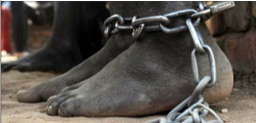
LAGOS – Amnesty International yesterday urged Nigeria to shut down a military detention facility for Boko Haram suspects after nearly 150 people, among them children and babies, died there in custody.
The human rights monitor has previously criticised the treatment of civilian detainees and ‘inhumane’ conditions at the Giwa barracks in Maiduguri, north east Nigeria.
In a new report, it claimed at least 149 people had died at the camp this year alone, 12 of them children. The victims included 10 boys and two girls, most of whom were under five. The youngest was five months old.
“The discovery that babies and young children have died in appalling conditions in military detention is both harrowing and horrifying, ” said Amnesty’s Africa director Netsanet Belay.
“We have repeatedly raised the alarm over the high death rate of detainees in Giwa barracks, but these findings show that, for both adults and children, it remains a place of death.
“There can be no excuses and no delay. The detention facilities in Giwa barracks must be immediately closed, and all detainees released or transferred to civilian authorities. ”
In a report entitled ‘If you see it, you will cry: Life and death in Giwa barracks’, Amnesty interviewed former detainees and eyewitnesses, who said many died from disease, hunger, dehydration and injury.
In March, a total of around 1 200 people, including some 120 children, were believed to be detained at the barracks in overcrowded and unsanitary conditions.
Improvements put in place since previous criticisms of the facility appear to have been cancelled out by an increase in mass detentions in the ongoing military counter insurgency, the report stated.
Witnesses were quoted as saying 12 children had died since February, and that disease was rife because of overcrowding in three women’s cells where young children and babies were being held.
Since last year, the number of detainees had risen from 25 per cell to 250, the report said.
“There are many children with us in the cell (aged) between one month and one year. The cell is too congested; you can’t turn from right to left when you sleep, ” one woman was quoted as saying.
Witnesses said soldiers ignored pleas for medical attention; diseases such as measles and diarrhoea were common, and there was a lack of cleaning facilities.
“It is like a toilet, ” said one man.
Other complaints included the splitting up of families who were arrested together, and a lack of food and water.
In an age of information overload, Sunrise is The Namibian’s morning briefing, delivered at 6h00 from Monday to Friday. It offers a curated rundown of the most important stories from the past 24 hours – occasionally with a light, witty touch. It’s an essential way to stay informed. Subscribe and join our newsletter community.

The Namibian uses AI tools to assist with improved quality, accuracy and efficiency, while maintaining editorial oversight and journalistic integrity.
Stay informed with The Namibian – your source for credible journalism. Get in-depth reporting and opinions for
only N$85 a month. Invest in journalism, invest in democracy –
Subscribe Now!