


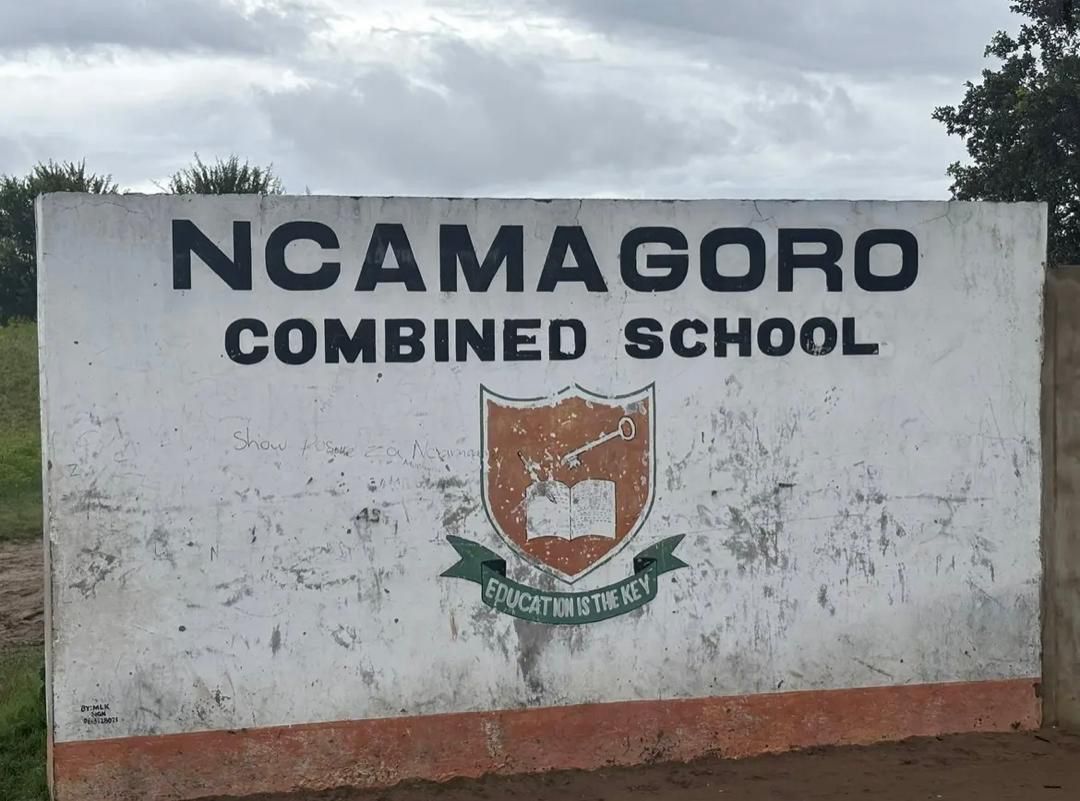
Ncamagoro Combined School in the Kavango West region has identified poor attendance and pupil indiscipline as persistent challenges, with the growing number of children living in child-headed households emerging as a key factor.
In a recent interview with Nampa, school principal Mukuve Sikongo painted a picture of a community caught between survival and education.
He said many parents leave their homes in remote villages so their children can attend school, setting up makeshift shelters nearby.
“Parents come from remote rural areas so their children can access education, but they often return to their homesteads out of fear of losing their mahangu fields,” Sikongo explained.
He said school attendance suffers, and discipline becomes difficult to maintain.
On some days, especially Fridays, attendance worsens as children leave in search of food.
“These pupils sometimes miss school because they have to find ways to survive,” Sikongo said.
He further said the school is also grappling with a high rate of teenage pregnancies, recording 15 cases last year alone, a reflection of the vulnerabilities faced by learners growing up without consistent parental guidance.
Distance is another barrier, with some pupils walking between 10 and 15 kilometres every day from surrounding villages such as Mbeyo, arriving at school already exhausted.
“The long distances create a serious obstacle. Pupils are often fatigued, their concentration is affected, and absenteeism increases, especially during harsh weather conditions,” Sikongo added.
He said for some pupils in these circumstances it is not just about the classroom, but a daily fight against hunger, distance, and a responsibility far beyond their years.
Kavango West region education director Pontianus Musore says child-headed households in the region are caused by poverty and unemployment.
“Numerous families in Kavango West experience poverty and they are unable to provide for the children. As a result, children have to fend for themselves,” he says.
Another reason for widespread child-headed households is parents relocating for employment, as well as parental demise, among many reasons.
Musore says the government has intervened by providing social grants and financial support, school support programmes, as well as community and leadership involvement.
He notes that the ministry continues to encourage regional leadership to identify and support child-headed households to ensure children are not living alone and without care.
“The government and its partners also run mobile health outreach and nutrition programmes which reach vulnerable children in remote areas,” he says.
Another intervention Musore mentions is the drought relief and food assistance programme that targets vulnerable households.
– Nampa
In an age of information overload, Sunrise is The Namibian’s morning briefing, delivered at 6h00 from Monday to Friday. It offers a curated rundown of the most important stories from the past 24 hours – occasionally with a light, witty touch. It’s an essential way to stay informed. Subscribe and join our newsletter community.

The Namibian uses AI tools to assist with improved quality, accuracy and efficiency, while maintaining editorial oversight and journalistic integrity.
Stay informed with The Namibian – your source for credible journalism. Get in-depth reporting and opinions for
only N$85 a month. Invest in journalism, invest in democracy –
Subscribe Now!