




CATTLE warts are caused by six strains of a virus which associate to different body areas, according to Rachel Endecott, beef specialist at Montana State University in the United States of America.
Cattle warts are caused by an infectious and contagious virus (bovine papilloma virus; BPV) that spreads through contact from infected cattle to non-infected cattle.
Warts are caused by species specific viruses, which means that people cannot get warts from cattle or vice versa.
There are six strains of the bovine papilloma virus and each has an affinity for different regions on the animal. BPV can be transmitted by direct contact, or indirectly by feeders, water tanks, halters, or other equipment or working facilities.
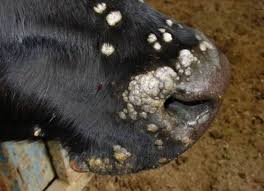
Most BPV strains are mildly pathogenic and cause only minor problems to the animal. Cattle warts are usually dry, white to tan coloured growths that protrude from the skin and may have a horny surface.
Warts are commonly found on the head, neck, and shoulders, but may also occur in more sensitive areas like the vaginal mucosa or penis.
Young cattle, such as yearlings, are most susceptible to warts, probably because their immune system is transitioning from maternal immunity they received from colostrum to development of their own immunity to pathogens in their environment.
Warts appear around two months after exposure and may last a year or more. Immunity usually develops three to four weeks after the initial infection, but warts may recur occasionally. The wart virus tends to be isolated in the wart and not circulating in the bloodstream, so the animal’s immune system may not be well stimulated by the virus.
This may result in an extended time to develop immunity to the virus and see regression of the wart. Warts are considered a self-limiting condition, although the duration of the warts can vary considerably. A variety of treatments have been promoted
The Merck Veterinary Manual recommends surgical removal if the warts are “sufficiently objectionable,” but they suggest waiting until warts are near their maximum size or regressing to prevent recurrence and stimulation of growth.
On the other hand, a resource from the University of George College of Veterinary Medicine suggests that warts should be crushed/removed at their first sign, although they caution the procedure may need to be repeated numerous times until the calf develops immunity.
Affected animals may be isolated from susceptible ones, but due to the very long incubation period, it is likely that the entire group could have been exposed before the warts appeared. A commercial wart vaccine is available.
As with any other vaccine, the intent is to prevent a condition or disease, so the wart vaccine is often not effective in causing rapid regression of warts; however, it should help stimulate immunity by increasing the amount of virus in the bloodstream post-vaccination.
The vaccine label gives doses for both calves and cattle, and advises a booster be given three-five weeks after the first dose.
– The Cattle Site