






CITY and regional councils can install renewable energy systems in informal settlements without having to connect to the national power grid.
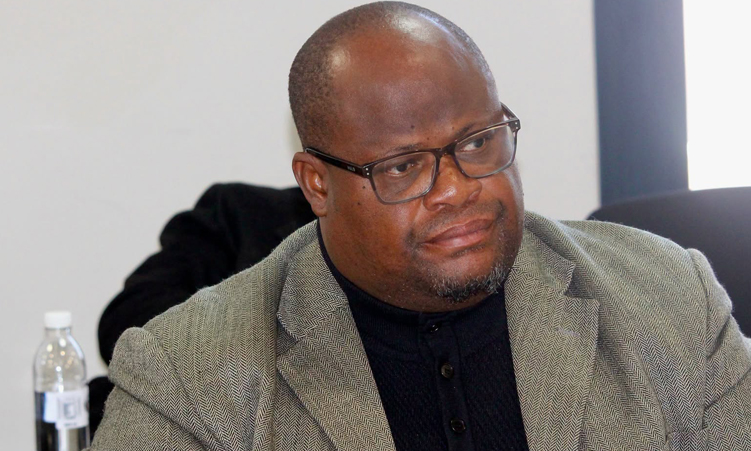
This is according to Johan van Straaten, the general manager of Windhoek-based Furntech Agencies.
The company distributes renewable solar energy systems that help uplift disadvantaged communities.
He spoke to The Namibian during a recent visit to a shack belonging to Otilia Nuyoma at Oshitenda informal settlement in Windhoek where his company, in conjunction with the Namibia University of Science and Technology (Nust), installed a 12-volt direct current system as a pilot project in March last year.
Namibia’s former ambassador to Sweden, Norway, and Denmark, Tonata Itenge-Emvula, helped with the cost, in a gesture of goodwill, of the installation, while a Ministry of Mines and Energy inspector oversaw the installation.
Furntech Agencies supplied the solar panel, the enclosed battery, a deep freezer, and four internal and one external light as part of the package.
Ironically massive power lines hang high above Oshitenda settlement where a great majority of shacks do not have power.
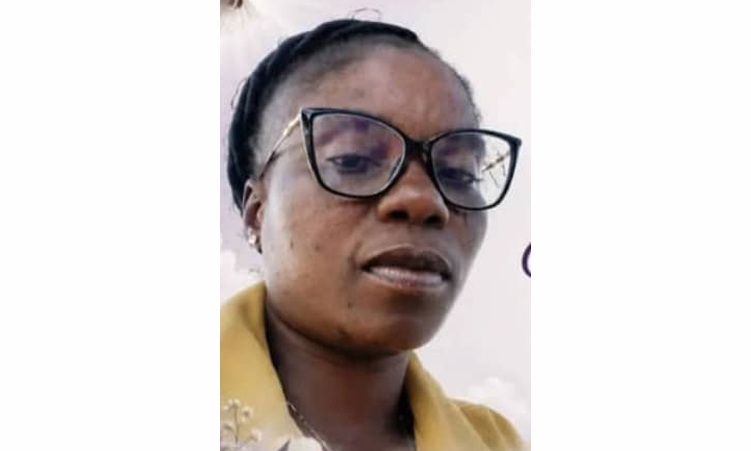
Nuyoma said since the installation of the unit last year, her life has changed for the better as she now sells fresh meat, chicken and fish to her neighbours, as well as charge their cellphones for a fee.
“They also bring their meat for storage and pay for it. This system has changed my life,” said Nuyoma, who also rents out a shack with a light source to a Nust student.
The student, Petrus Simeon, said doing assignments is now easier because he had light and internet connectivity.
Van Straaten said local authorities can invest in these power systems, because they do not need cabling as each unit is a stand-alone system.
This would also help push forward the agenda of Harambee Prosperity Plan.
“The councils can then lease them out for a fee, and if there is non-payment, the system can be switched off remotely through the internet. It can be switched on again once payment is made,” he said.
Van Straaten said councils could install the units as a service to communities.
“Funding may be a problem, but with all these funds coming from overseas, there is no reason why investment into this kind of project cannot be done,” he said.
He said the basic plug-and-play system is protected in that none of the components are open, and there is no accessibility to batteries, thus limiting abuse and tampering.
The direct current (DC) range, which has a lithium battery, runs on 12V and is ideal for lights and charging runs, and can power a 210-litre freezer, TV, radio, sewing machine and other home gadgets.
There are other bigger systems on offer which can power several homes and even streets, and are ideal for informal settlements.
Van Straaten said although Furntech distributes the energy systems, which are supplied by Specialised Solar Systems of South Africa, it does not install them but leaves this to a pool of trained installers as a way of keeping them at work.
He said the direct current system is safe for use in shacks, where water leakage can be high during the rainy season, as it does not expose users to the risk of electrocution as would an alternating current system.
“The PO4 lithium phosphate battery can take 4 000 charging cycles and gives out 80% of the battery power. This means the battery can have a lifespan of 10,9 years,” said Van Straaten, adding alternative batteries found on the market need replacement every three years.
Lilongeni Unoovene, the Furntech renewable energy representative responsible for networking, said he would like to see more renewable power systems installed in the settlement as they improve the safety of people who sometimes get mugged in the dark.
“The system also enhances the studying environment for students through the provision of unlimited lighting, giving them a chance to perform better,” he said.
Email: matthew@namibian.com.na