






When driving through the vast expanses of Namibia recently, I joked to my wife that the person selling fences must be the wealthiest individual here.
But that joke lost its humour.
I realised the fence is a troubling symbol of a nation stuck between its colonial past and its true potential.
As a political scientist and an outsider from The Netherlands, I know this continent has heard enough Western opinions.
Yet, a fresh pair of eyes can highlight invisible barriers.
Namibia is 20 times the size of my home country with a fraction of the population, but I found a partitioned landscape.
From Windhoek to Sossusvlei, Swakopmund to Etosha and up to the Zambezi region, much of the land is caged behind livestock farms or private game reserves.
The fence exists in the mind as much as on the land, separating history from the present and keeping collective national purpose at bay.
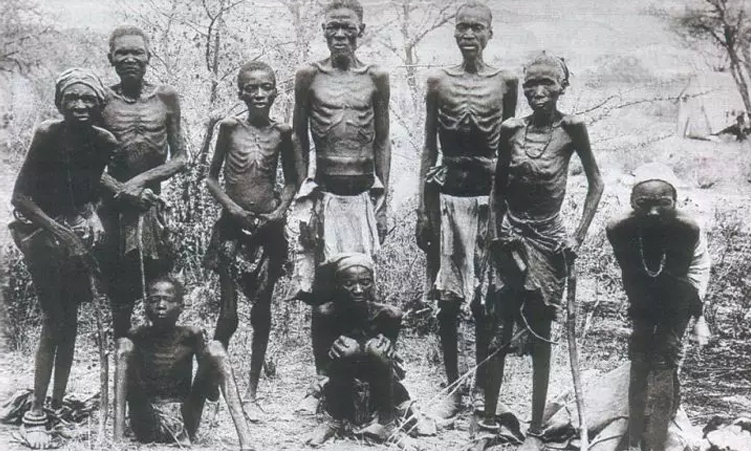
While the legal structures of apartheid were dismantled in 1990, the economic structures remain.
It is jarring to see people begging for water, only to find a lush, dammed green zone 30 minutes later hidden behind a farm fence.
How is it possible that 36 years after independence, an estimated 70% of commercial farmland remains in the hands of fewer than 5 000 families?
This failure to sufficiently rectify historical injustice is a ticking clock.
To avoid a volatile confrontation, Namibia must find a third way that restores borderless wildlife while creating prosperity for the many, not the few.
If economic fences between the haves and have-nots remain, a unified nation will be impossible.
Moving forward demands decisive policy.
Whether through wealth taxes or strategic reinvestment, the restoration of nature and the eradication of poverty are requirements for a stable state.
When any elite becomes insulated behind their own fences, they lose sight of long-term security, which relies on creating tangible value for the entire community.
Lasting prosperity is never built on the concentration of wealth, but on the foundation of a robust middle class.
It is time to open the gates.
– Rolf Heynen