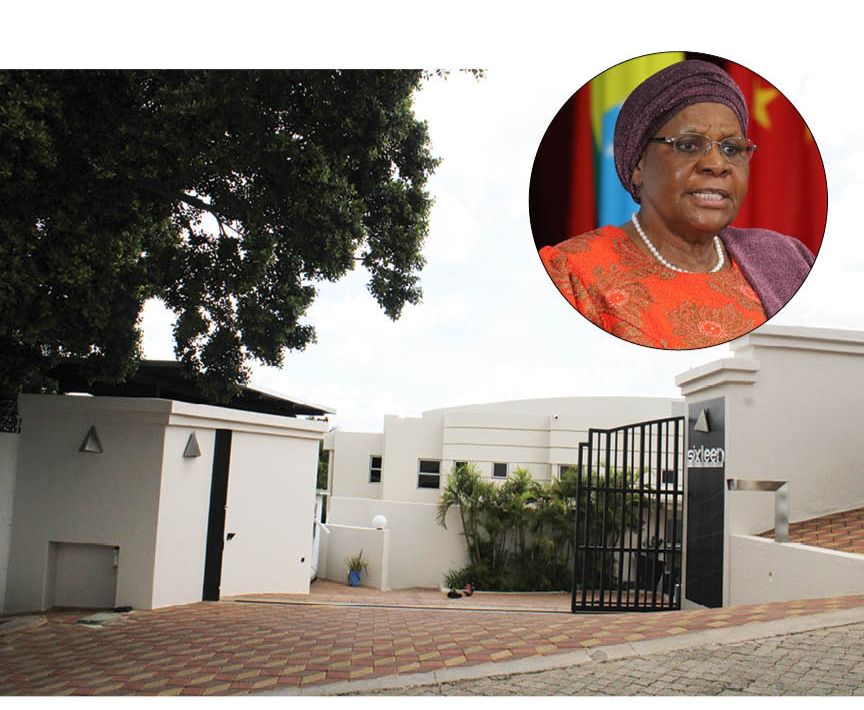



Cabinet secretary Emilia Mkusa has urged regional leaders to take precautionary measures to safeguard citizens against rain-related disasters.
She said this in a statement issued on Monday, ahead of expected above-normal, normal and below-normal rainfall in some parts of the country.
According to Mkusa, the Namibian Meteorological Services (NMS) anticipates rain across the country from October till March 2026; therefore, it’s imperative for regional councils to start taking precautions.
She further stated that risks of floods and drought may arise in different parts of the country, depending on the rain patterns.
“This season is also often associated with strong winds and lightning, which may result in loss of lives, damage to infrastructure, crops, and properties.
“Therefore, the regional councils and local authorities should enhance preparedness and response measures to be able to mitigate possible impacts,” she stated.
She advised them to enhance their contingency planning through their respective regional disaster risk management committees to strengthen overall preparedness.
In a rainfall advisory statement, NMS notes that the 2024/25 rain season has been marked by excessive rain in some regions, which has led to infrastructure damage and displacement of people.
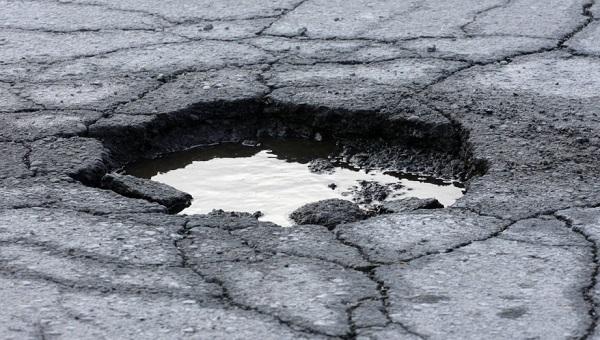
Furthermore, about eight regions experienced severe flooding that affected 9 184 people, as well as damaged roads and infrastructure, NMS notes.
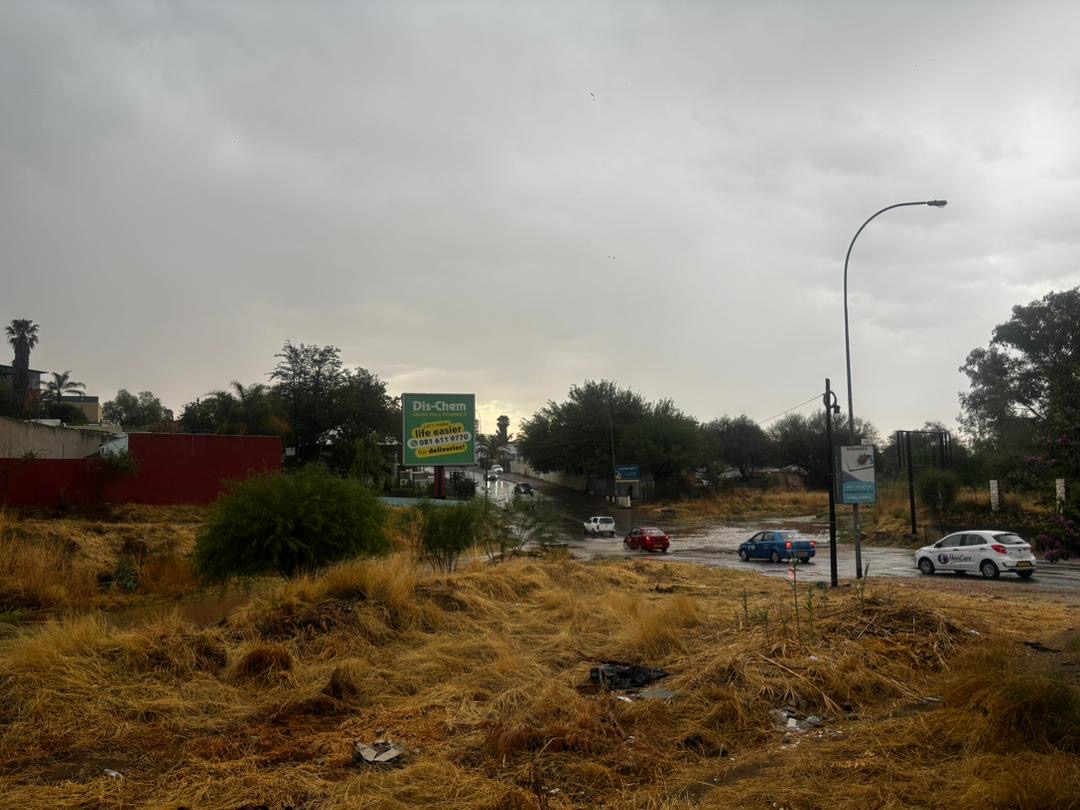
“At Otjomuise in Windhoek, 282 households and 1 189 individuals were negatively affected by heavy rains in January 2025, whereby about 102 households had to be relocated.
“Furthermore, a bridge connecting the town of Rehoboth and Windhoek was damaged by heavy rainfall, and the construction of a bypass cost N$16.4 million.”
The statement also notes that the damaged Osona bridge, which links Osona village and Okahandja to Windhoek, is estimated to cost N$28 million to reconstruct.
Regarding the 2025/26 rainfall, NMS reports that the ||Karas, Hardap, western Erongo, and southernmost Omaheke regions will most likely receive below-normal rainfall.
Meanwhile, the northeastern parts, including the Zambezi, Kavango East, Kavango West, eastern Ohangwena, Oshikoto, northeastern Otjozondjupa, and northern Omaheke regions have a high likelihood of above-normal rainfall.
The remainder of the country has an equal chance of below-normal, normal, or above-normal rainfall, NMS reports.
In an age of information overload, Sunrise is The Namibian’s morning briefing, delivered at 6h00 from Monday to Friday. It offers a curated rundown of the most important stories from the past 24 hours – occasionally with a light, witty touch. It’s an essential way to stay informed. Subscribe and join our newsletter community.

The Namibian uses AI tools to assist with improved quality, accuracy and efficiency, while maintaining editorial oversight and journalistic integrity.
Stay informed with The Namibian – your source for credible journalism. Get in-depth reporting and opinions for
only N$85 a month. Invest in journalism, invest in democracy –
Subscribe Now!