






Namibia’s development rests on the strength of its communities, yet many constituencies still struggle with limited funding for infrastructure, public services and local economic growth.
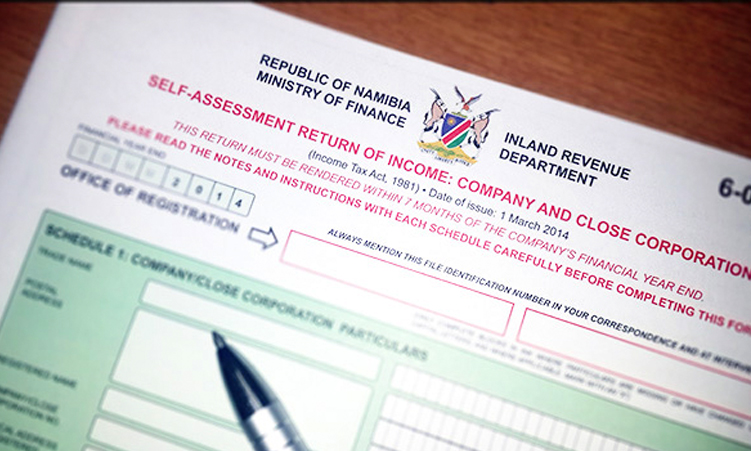
The central government has a vital role to play, but it should not be the only channel through which constituencies gain resources to build themselves. A portion of business tax revenue collected by the Namibia Revenue Agency (Namra) should be returned to the constituencies where the businesses generating it operate.
This is not a call for a new tax. Businesses would maintain their current taxes, but a share of the revenue generated by economic activity in a community would be reinvested there rather than absorbed entirely into the national pool.
The logic is straightforward. Businesses do not grow in isolation. They depend on roads, electricity, water, security and the workforce drawn from surrounding communities. When that activity generates wealth, it is reasonable that the community sustaining it should share in the benefit.
Namra could track business activity and allocate a defined percentage of business tax generated within each constituency to approved development projects. The allocation should be tied to actual tax revenue generated, not simply the number of registered businesses, so funding reflects real economic contribution.
Consider a manufacturing company at Oshakati that pays N$10 million in business tax annually. If a constituency retention rate of 25% is applied, N$2.5 million would flow back into Oshakati for local roads, schools, clinics or business infrastructure.
Constituencies with fewer or smaller businesses should not be left behind. They would receive additional support from a national equalisation fund, ensuring development does not depend entirely on the industries within a constituency.
The benefits extend beyond infrastructure. Money spent locally tends to circulate locally. A road creates construction jobs and later makes it easier for businesses to move goods and workers to reach their jobs. A clinic upgrade employs local contractors while improving the health of the workforce businesses depend on.
But Namibia’s constituencies do not share equal economic opportunities. Rural areas with fewer businesses would generate less revenue to retain. Without an equalisation mechanism, inequality could widen. The government must therefore remain central, guaranteeing poorer constituencies additional support so that no community is worse off because it has less industry.
Done well, the model would also change incentives. Constituencies would have a direct reason to attract investment, support entrepreneurs and make it easier to start and grow businesses locally. Every new enterprise would create jobs while contributing directly to community development.
None of this works without transparency. Constituencies should publish regular reports showing revenue received, projects funded and expenditure, backed by independent audits.
Namibia can study countries that share national tax revenue with local governments and adapt such models to our economic and administrative realities.
The future of Namibia’s communities should not rest solely on waiting for funding from elsewhere. It should be built through a genuine partnership between the government, businesses and citizens, each carrying a visible share of the responsibility.
– Jackson Mupakeleni