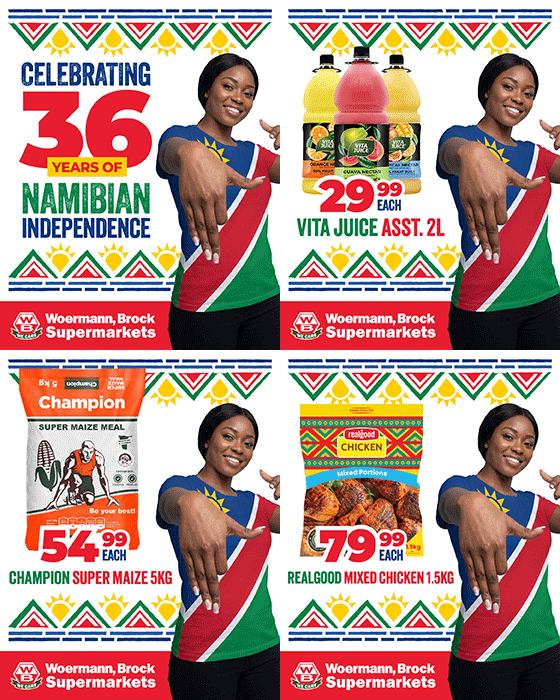





Every year Namibia reflects on the historic moment when it became a sovereign nation – on 21 March 1990.
For the generation that fought for liberation, independence symbolised the end of colonial rule and the beginning of self‑determination.
More than three decades later, a new generation stands at the centre of the national conversation – the born frees.
These are young Namibians who were born after independence and have never experienced colonial rule or apartheid. Independence is not a memory for them; it is the only reality they have ever known.
GAINS AND CHALLENGES
However, an important question remains: what does independence truly mean to those born after it?
For the liberation generation, independence meant political freedom, national dignity, and the right to govern themselves.
For the born frees, independence increasingly carries a different meaning.
While political freedom is important, many young Namibians measure independence through economic opportunity, access to quality education, technological advancement, and the ability to participate in a competitive global economy.
In many respects, Namibia’s independence has created opportunities that were once unimaginable.
Access to education has expanded significantly, with universities, vocational institutions, and scholarship programmes providing pathways for young people from diverse backgrounds.
Technological access has also improved. The digital age has connected Namibia to the world.
Young Namibians now learn, communicate and create through digital platforms, allowing them to share ideas and build networks far beyond the country’s borders.
Socially, the born‑free generation has grown up in a society that is more open and inclusive than the one that existed before independence.
Yet these gains exist alongside persistent challenges.
‘ECONOMICALLY UNFINISHED’
Youth unemployment remains one of Namibia’s most pressing issues. Many graduates complete their studies only to face limited job opportunities.
Economic inequality still shapes the possibilities available to many young people, and innovation ecosystems remain relatively small compared to those in major global cities.
For many born frees, independence feels politically secure but economically unfinished.
In today’s globalised world, young Namibians are no longer competing only with their neighbours. They are competing with peers across the world – from Nairobi and Cape Town to Berlin and Silicon Valley.
Worldwide, young people are driving innovation in technology, creative industries and entrepreneurship.
Namibia’s youth possess the same potential but opportunities often remain constrained by limited investment, infrastructure, and access to markets.
However, Namibia also has significant advantages.
The country enjoys political stability, democratic governance and a youthful population eager to participate in the future economy.
These strengths provide a foundation upon which a dynamic and innovative generation can emerge.
DECISIVE DECADE
The next decade will be decisive for Namibia’s born‑free generation.
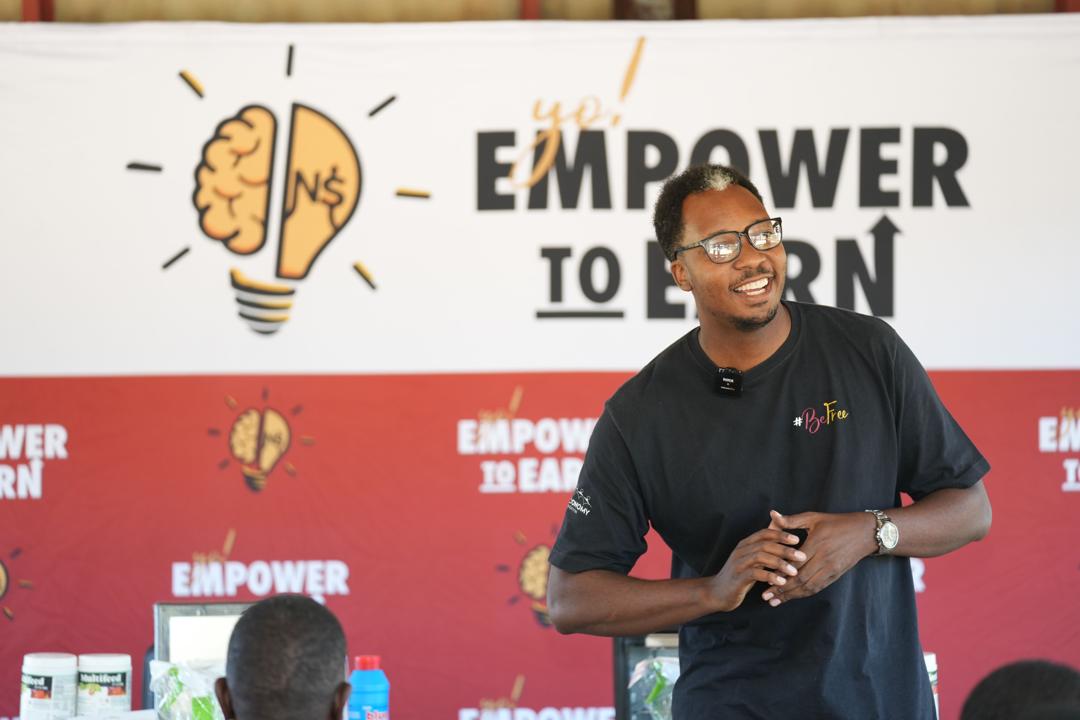
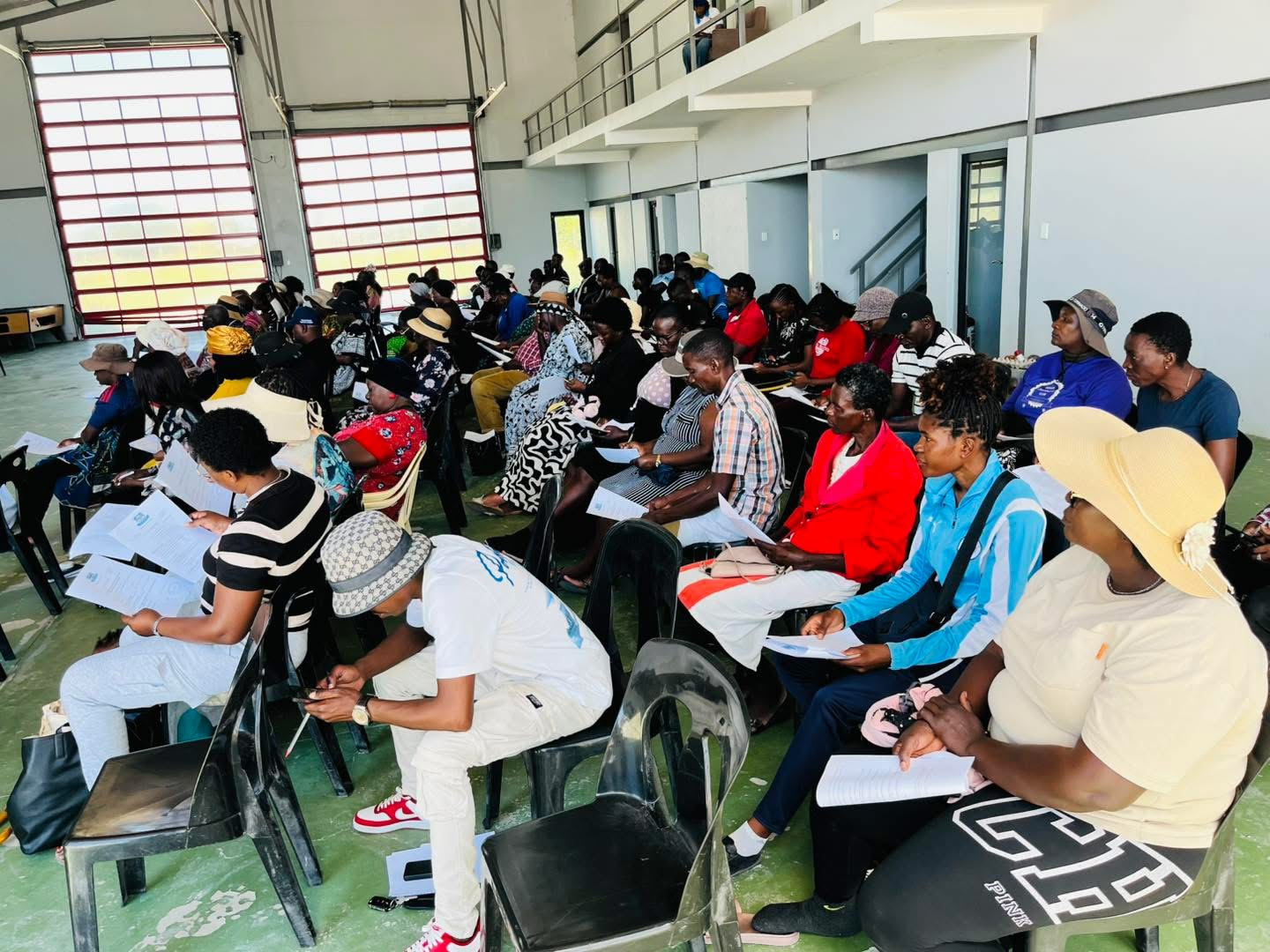
With the right support systems, young people can lead transformation in entrepreneurship, technology, creative industries and financial independence.
Rather than waiting for employment, many could become creators of opportunity – building businesses, launching startups, and developing innovations suited to Namibia’s unique context.
To achieve this, several shifts are necessary.
Entrepreneurship must be treated as a central development strategy.
Young people need access to funding, mentorship and business development support.
Education must also evolve to match the needs of a modern economy.
Beyond academic qualifications, the education system must cultivate creativity, digital literacy, problem‑solving skills, and practical experience.
Technology infrastructure must continue expanding, enabling young innovators to participate fully in the digital economy.
Equally important is mentorship.
The generation that fought for Namibia’s political freedom now has the opportunity to guide the next generation toward economic empowerment.
Another crucial dimension is confidence.
Many young Namibians admire the liberation heroes who shaped the nation’s history but sometimes struggle to see their own role in shaping the future.
A CLEAR MISSION
Yet their mission is clear. If the liberation struggle was the battle for political freedom, the challenge facing the born‑free generation is the battle for economic empowerment, innovation, and global competitiveness.
Building confidence among young people means celebrating youth achievements, investing in leadership development, and encouraging young Namibians to see themselves not just as beneficiaries of independence, but as the architects of the country’s future.
Independence should not be viewed only as a historical event. It is an ongoing national project.
The first phase secured political sovereignty. The next phase must focus on economic opportunity, technological progress, and generational empowerment.
The born‑free generation did not inherit the struggle for liberation but they have inherited the responsibility to shape what freedom ultimately becomes.
If Namibia succeeds in empowering its youth, the next generation will not simply celebrate independence – they will redefine it.
- Turimove Katjipo is a freelance researcher and journalist.
In an age of information overload, Sunrise is The Namibian’s morning briefing, delivered at 6h00 from Monday to Friday. It offers a curated rundown of the most important stories from the past 24 hours – occasionally with a light, witty touch. It’s an essential way to stay informed. Subscribe and join our newsletter community.

The Namibian uses AI tools to assist with improved quality, accuracy and efficiency, while maintaining editorial oversight and journalistic integrity.
Stay informed with The Namibian – your source for credible journalism. Get in-depth reporting and opinions for
only N$85 a month. Invest in journalism, invest in democracy –
Subscribe Now!