



Israel’s bombing of Iran’s oil infrastructure will have major long-term environmental repercussions, experts warn.
Monitors admit they are struggling to keep track of the environmental disasters arising from the widening war.
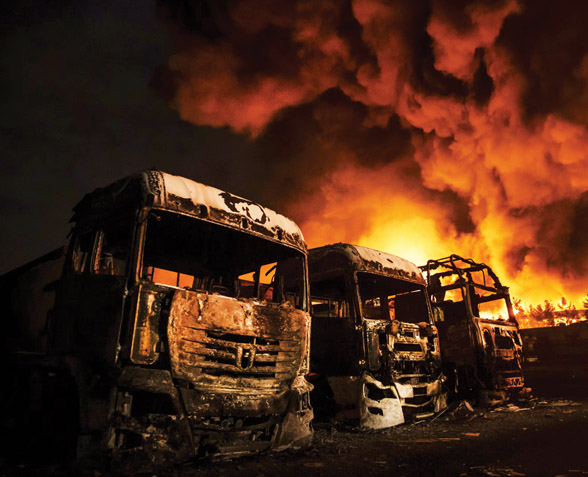
The Shahran oil depot north-east of Tehran and the Shahr-e fuel depot to its south continued to burn on Monday, two days after they were bombed by Israeli warplanes.
In the immediate aftermath of the attacks, Iran’s environmental agency and the Iranian Red Crescent Society had warned Tehran residents to stay at home, saying the toxic chemicals spread by airstrikes on five fossil fuel installations around the city could lead to acid rain and damage the skin and lungs.
On Monday, World Health Organisation head Tedros Ghebreyesus, said: “Damage to petroleum facilities in Iran risks contaminating food, water and air – hazards that can have severe health impacts especially on children, older people and people with pre-existing medical conditions.”
Iran’s deputy health minister, Ali Jafarian, told Al Jazeera that the soil and water supplies around Tehran were already beginning to be contaminated by the fallout from the weekend’s explosions.
The black rain that fell across Tehran in the hours after the bombings was a mixture of soot and fine particulate matter from the explosions, mixed with rain from a storm that was already moving across the region, says research scientist Akshay Deoras.
“The airstrikes on oil depots released soot, smoke, oil particles, sulphur compounds and likely heavy metals and inorganic materials from the buildings, while a low‑pressure weather system, which typically sweeps across Iran and west Asia around this time of year, created conditions favourable for rainfall,” Deoras says.
“In terms of atmospheric chemistry, the oil fires produce sulphur and nitrogen compounds that could form acids if they dissolve in rainwater.
“The risks to human health come from inhaling or touching the smoke and particles.
Immediate impacts can include headaches, irritation of the eyes and skin and difficulty breathing – particularly for people with asthma, lung disease, older adults, young children and those with disabilities.”
Tehranis have reported difficulty breathing, as well as headaches and burning sensations in their eyes and throats.
But the acute effects of the black cloud that spread across the city could just be the beginning, says University College London professor Andrea Sella.
– The Guardian
In an age of information overload, Sunrise is The Namibian’s morning briefing, delivered at 6h00 from Monday to Friday. It offers a curated rundown of the most important stories from the past 24 hours – occasionally with a light, witty touch. It’s an essential way to stay informed. Subscribe and join our newsletter community.

The Namibian uses AI tools to assist with improved quality, accuracy and efficiency, while maintaining editorial oversight and journalistic integrity.
Stay informed with The Namibian – your source for credible journalism. Get in-depth reporting and opinions for
only N$85 a month. Invest in journalism, invest in democracy –
Subscribe Now!