



Namibia is experiencing a critical blood shortage, with reserves currently at just 25% of the required levels.
According to the Blood Transfusion Service of Namibia (NamBTS), there is a need for at least 200 units of blood daily to meet the country’s medical demands.
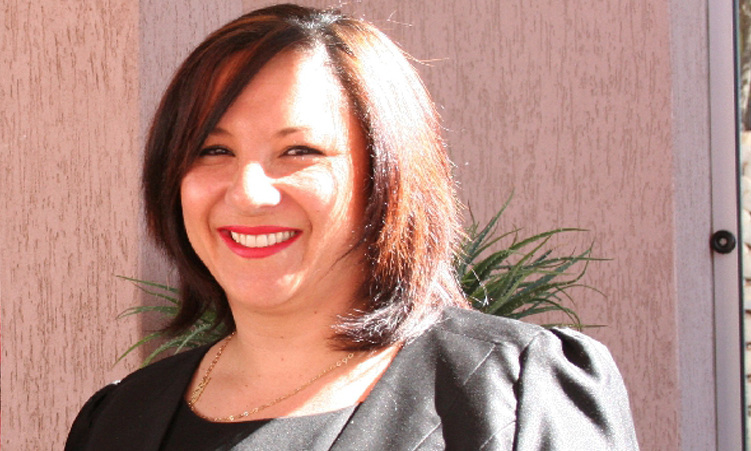
“As we head into the festive season, if donors do not respond to our call to come and donate, we are heading into very difficult times. Each donation and unit of blood will give a much needed boost during the busy holidays,” NamBTS marketing and donor relations manager Zita Tobin says.
Tobin says with collections dropping by more than 50% during the festive period, the public’s response is crucial to avoid a healthcare crisis.
“Currently, there is a shortage of blood. NamBTS, together with doctors across the country, follow a procedure called restrictive transfusion to minimise wastage of blood, as our blood reserves in the country are currently 25% lower than normal,” Tobin says.
She says collections have dropped by more than 50% as regular donors travel or take a break during the festive season.
“The challenges and drop in donations is because the time between Christmas, New Year and the school year commencing is when many regular donors take a well-earned break. It’s a time of fun, being with family and friends, yet the need for blood never stops,” she says.
She says while it is understandable that people take time off to be with their family members, medical emergencies continue to happen daily.
“This period is always very difficult as donors stop donating, but mothers continue to give birth and need blood for their newborn babies, accident victims and other casualties, road accidents and often mass casualties occur. Cancer and anemia patients continue to receive treatment and need blood and blood products.
Many patients are sick with chronic illnesses and are in hospitals and need blood to lead regular lives,” Tobin says.
According to NamBTS, type O blood, which is critical in emergencies, is in particularly high demand.
“We are appealing to all donors, especially those with the O blood type, to donate during the course of this week and next week, before the celebrations and holidays at our centres, as a minimum of 1 500 units of blood is needed before we head into the festive season,” Tobin says.
Tobin further encourages first-time donors to take part in the initiative.
“First-time donors are also welcome to start their journey of donating blood and saving lives of patients in hospitals,” she says.
Blood donation centres are operating in Windhoek, Swakopmund, Walvis Bay, Oshakati, and Ongwediva.
Windhoek’s centre at 35 Tal Street is open Monday to Wednesday and Friday from 07h00 to 14h00, and on Tuesdays and Thursdays from 07h00 to 18h00.
Swakopmund’s centre is open on Mondays, while the Walvis Bay centre operates on Tuesdays.
In the north, Oshakati’s centre is open on Mondays, and Ongwediva’s centre at Gwashamba Mall is open on Tuesdays.
“To donate blood, individuals must be at least 16 years old, weigh more than 50 kilograms, be healthy on the day of donation, and lead a sexually safe lifestyle,” Tobin says.
In an age of information overload, Sunrise is The Namibian’s morning briefing, delivered at 6h00 from Monday to Friday. It offers a curated rundown of the most important stories from the past 24 hours – occasionally with a light, witty touch. It’s an essential way to stay informed. Subscribe and join our newsletter community.

The Namibian uses AI tools to assist with improved quality, accuracy and efficiency, while maintaining editorial oversight and journalistic integrity.
Stay informed with The Namibian – your source for credible journalism. Get in-depth reporting and opinions for
only N$85 a month. Invest in journalism, invest in democracy –
Subscribe Now!