






One of a series of short articles about the Rural Poverty Reduction Programme (RPRP), which was funded by the European Union’s 9th Development Fund and coordinated by the National Planning Commission.
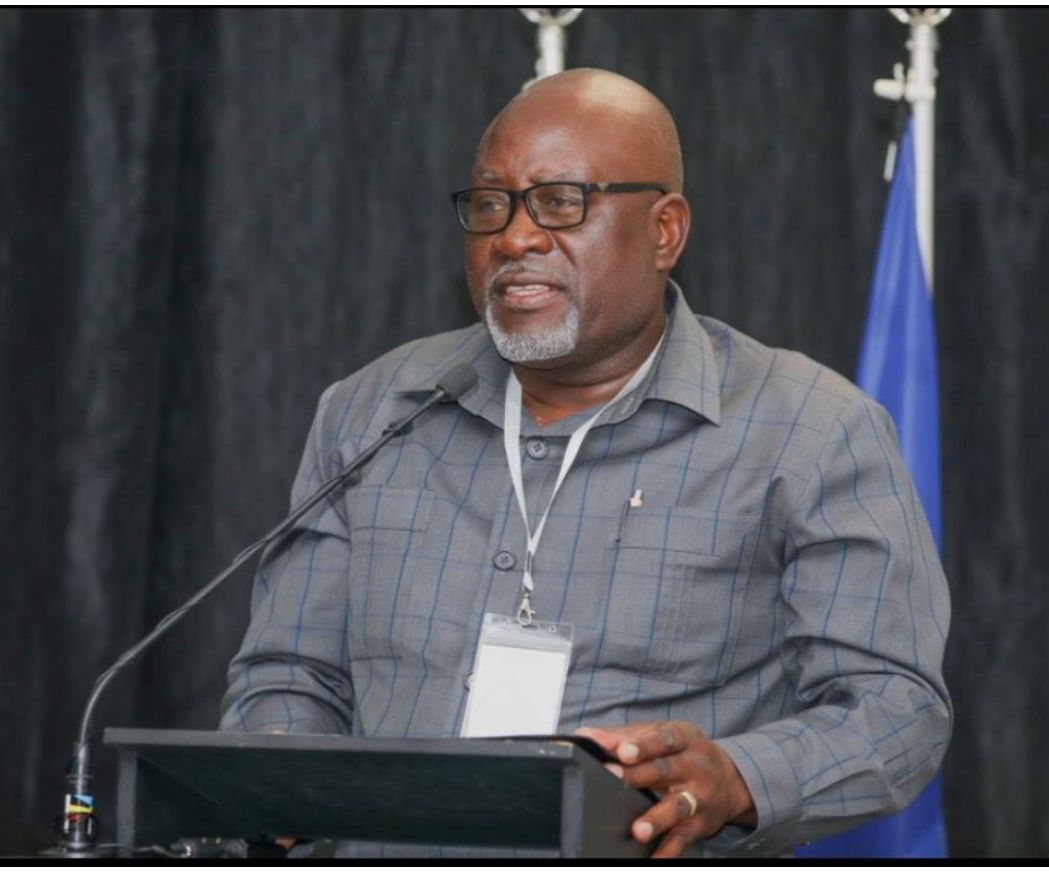
‘A hungry neighbour is a dangerous neighbour,’ says Bertus Kruger at the Agricultural Bank of Namibia (Agribank). He coordinates the Farmers Support Project that assists newly resettled farmers to run their farms as businesses.Elandsput is 900 hectares of cattle country north of Outjo. The original farm was bought by the Namibian Government from a South African, and split into three parts for resettlement. Paul Goagoseb received his 99 year lease gratis. ‘I was jumping into heaven,’ says the retired pastor and ex-mayor of Outjo.But he is critical of the Government’s land policy: ‘Resettlement is a good thing, but there are people who do not really need farm land. That’s the confusion. Some people can’t farm. Some are very old. They need a house near to a shop. Not a farm.’Nobody could agree more than Wolfie von Wielligh, who is employed by the Farmers Support Project as a mentor to help people like Paul. Wolfie says that the Government made a big mistake just dumping people on land like the 200 hectare farm next to Paul’s. ‘The Government didn’t realise what the outcome would be. They thought with 200 hectares you can survive. No way. A cow can calve without my help, but she needs food, and if the land is too small there is no food.’Wolfie and Paul came together under the Emerging Farmers Support Programme, supported by the RPRP. Like other successful RPRP projects, it is continuing with new funding, in this case from Germany.Wolfie drives into Elandsput and points out the difference between resettled farmers. Paul’s land is thick with tall grass. On the other side it is denuded. The neighbour kept a shebeen on the farm and rents out the land for grazing; there are far too many animals.According to Wolfie, the best gift a farmer can have is knowledge: in the long run that’s worth more than money: ‘That only lasts two years, then it’s gone. But knowledge and skills last 20 years.’New farmers benefit from information days organised by local farmer associations. There’s a strong social element to it – one of the key aspects of the project is to introduce new black farmers to their white neighbours, and to each other: building farming communities, without which farmers in Namibia cannot survive. But the main benefit of the programme is mentoring.Paul is learning fast. His first idea was just to have land, which was not possible in the past for a would-be black commercial farmer. But now he says: ‘Your vision must be to make money.’ As a resettled farmer he has a lease, but his dream is to own his own commercial farm.Paul agrees with Wolfie when he says: ‘Land reform should give a farmer a chance for five or six years to see if he can perform. If he can, give him a loan from Agribank to have his own farm. But if he is not performing, sorry, you have to make space for another one.’ Paul adds: ‘The Ministry should employ inspectors who come once or twice a year, and if there is no progress, if he is not making use of the land, it should be taken away from him and given to somebody else.’Between Paul and Wolfie there’s no racial tension; barriers are being broken down. In the back of some white commercial farmers’ minds is the fear of a Zimbabwe style land grab. Helping resettled farmers to succeed and building good relations along the way is a good strategy to head that off.