



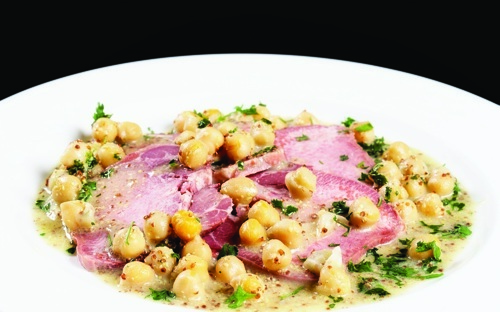
Maybe you are one of the people who have fallen victim to the myth that the tongue is the strongest muscle in the body. Sadly, it is not – not by any definition, nor by any actual measure of strength. But that does not make the tongue any less impressive.
The tongue consists of skeletal muscle fibers, which unlike the cardiac muscle of the heart or the smooth muscle of the digestive system, can be willingly controlled. More specifically, the tongue is a muscular hydrostat; i.e. a muscle that is not assisted by the skeleton.
In humans, the mobility of the tongue is useful for the creation of speech (and for kissing for that matter too). In addition, the mobility of the tongue kickstarts the digestive process by guiding and moulding food between the teeth and along the cheeks, until the food is sufficiently masticated and ready to be swallowed.
Of course, the tongue is also the location for the taste sense and it is responsive to pressure, heat and pain. The taste buds are located on top of the papillae that cover the tongue, as well as on the inside of the cheeks. A dry mouth and tongue prohibits taste, and many flavours (eg salt) need to be dissolved in liquid (saliva) before becoming detectable.
For many animals, the tongue is a most useful tool: cats and dogs use their tongues to clean their furs and chameleons and frogs use theirs to capture prey. In addition to the many wonderful capabilities of the tongue, it is pretty good food too.
Compared to organs and other bits of offal, people seem to have less prejudice against eating tongue (except for my brother who will eat anything but tongue). In theory, no one should have any problem with eating tongue (or cheeks for that matter). After all, it is only a muscle and a ‘clean’ muscle at that. It is protected by a thick layer of skin so none of it comes in contact with what many consider ‘dirty’ food matter (which in the case of herbivores will be harmless plant material anyway). Be that as it may, the skin ensures that the flesh is ‘protected’.
Given that the tongue is almost all muscle (and an active one at that), it does require some serious cooking to get it tender. By far the most common manner for cooking tongue is to braise it for an extended period of time (often three or more hours depending on the type of animal and thus the size of tongue). A much quicker technique is to cook it in a pressure cooker (about an hour or so for a large tongue).
Although tongue can be cooked as is, I personally think that all tongue meat benefits from pickling or brining. Add the tongue to a simple brine made from salt, sugar, water, saltpeter and herbs and spices and keep it in the refrigerator for a number of days (three to four) or a week or two, depending on the degree of pickling required.
It is nearly impossible to remove the skin from an uncooked tongue without hacking the whole thing to shreds. Once cooked, however, the skin simply peels off. Peel the tongue whist it is still hot (make sure it is cool enough to handle, though) then put it back into the cooking liquid, to ensure it remains moist. Strain the liquid but do not discard it, it makes a wonderful stock for soups, risottos or meat-based jellies.
To clarify your stock, put a container filled with the stock in the freezer until frozen solid. Then put the frozen stock over a container with a sieve lined with muslin cloth in the refrigerator and let it thaw slowly. It takes a day or two, but believe me, there is no better way to clarify stock.
Tongue benefits from a little acidity; it helps to cut through the fat. It can be eaten cold or hot and is equally good on a sandwich or in a fancy gnocchi dish. Mustard or horseradish is always welcome and so are pickled vegetables. And if you are that way inclined, try it with a jelly made with purified tongue stock and Madeira wine. Or just try this week’s recipe. It combines chickpeas and mustard into a chunky sauce that provides some texture to offset the softness of the meat.
You’ll lick your lips for sure.
• 1 pickled ox tongue
• 2 onions, cut into quarters
• 2 sticks celery, cut into 4 pieces each
• 1 large carrot, peeled and cut into 4 equal pieces
• 1 leek, cleaned and cut into 4 pieces
• 2 litres chicken stock (or water)
• 100 grams butter
• 4 tablespoons whole grain Dijon mustard
• 3/4 cup tongue stock
• 3 tablespoons dry white wine
• 1 teaspoon corn flour
• 1 can (410 grams) cooked chickpeas, drained
• 1 1/2 tablespoons fresh parsley, chopped for garnish
• The Tongue: Add all the ingredients to a pressure cooker and cook at full pressure for 60 minutes. Allow the tongue to cool (just until it is safe to handle) in the stock, then peel off the skin.
In an age of information overload, Sunrise is The Namibian’s morning briefing, delivered at 6h00 from Monday to Friday. It offers a curated rundown of the most important stories from the past 24 hours – occasionally with a light, witty touch. It’s an essential way to stay informed. Subscribe and join our newsletter community.

The Namibian uses AI tools to assist with improved quality, accuracy and efficiency, while maintaining editorial oversight and journalistic integrity.
Stay informed with The Namibian – your source for credible journalism. Get in-depth reporting and opinions for
only N$85 a month. Invest in journalism, invest in democracy –
Subscribe Now!