






Although Namibia has a successful community-based natural resources conservation programme, it suffers from fragmented and underfunded biodiversity finance.
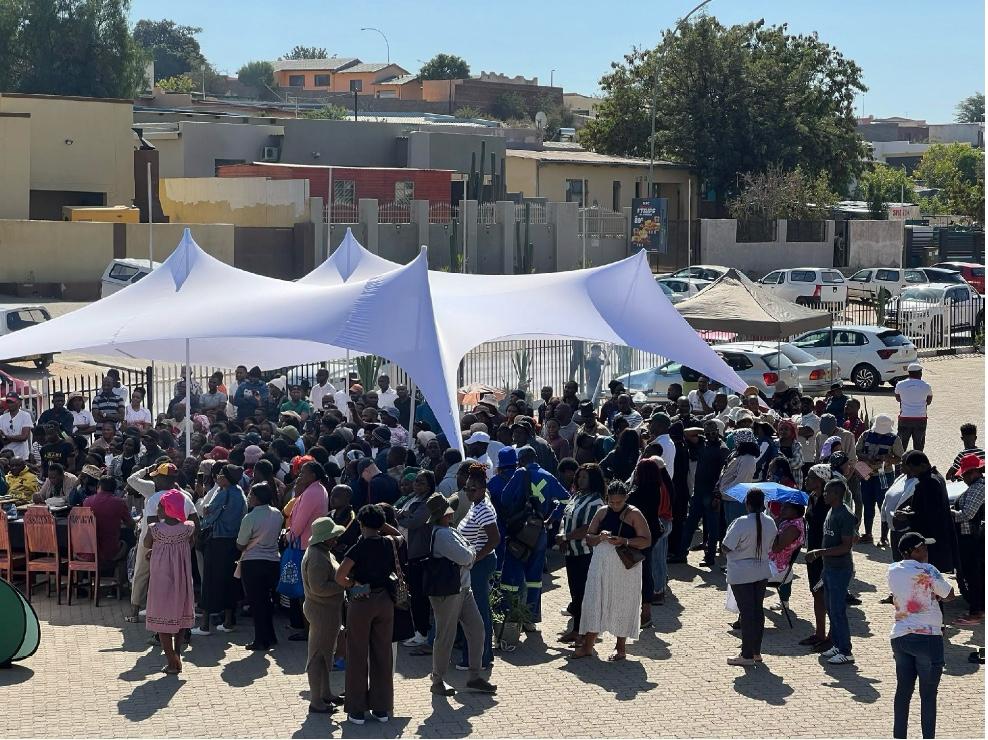
This is contained in the recently released draft report of the Biodiversity Finance Policy and Institutional Review (PIR), which was tabled at a one-day stakeholder validation workshop held in Windhoek last week.
According to the report, Namibia is also heavily reliant on external finance for biodiversity conservation and preservation.
However, the country has successful community-based natural resources conservation programmes and a strong biodiversity policy foundation.
The PIR is a fundamental component of the global Biodiversity Finance (Biofin) project of the United Nations Development Programme (UNDP), which is also being implemented in Namibia.
Deputy resident UNDP representative in Namibia Christian Shingiro at the event said Biofin is a global programme of UNDP being implemented in 133 countries, including Namibia.
He said the PIR represents the first and fundamental step of the Biofin project methodology.
“The review has revealed strengths, weaknesses and opportunities within Namibia’s system, the progressive policies which have positioned the country as a leader in conservation and the areas where further alignment, innovation and investments are needed to sustain these achievements,” Shingiro said.
Bernadette Shalumbu, the sustainable finance specialist for the Biofin project at UNDP Namibia, yesterday told The Namibian the review started in January and the final product of the document will be ready by the end of the year.
The workshop reviewed the findings of the review and recommendations regarding legal and regulatory frameworks, sectoral coordination, financing and subsidies, and public and private engagement funding to secure long-term biodiversity outcomes.
Nama Traditional Authority Association secretary general Lazarus //Khairabeb says enough funding for biodiversity conservation is needed in Namibia as it provides Namibians with both food and medicine.
He says while Namibia has committed itself to international legal instruments that speak to biodiversity conservation, this is mainly in theory.
//Khairabeb has served on United Nations Environment Programmer’s bodies that seek to protect indigenous peoples and local communities’ traditional knowledge related to the use of biological resources.
“At the moment these indigenous groups are not really benefiting from the commercial use of genetic resources, despite the fact that are the custodians of biological resources,” he says.