






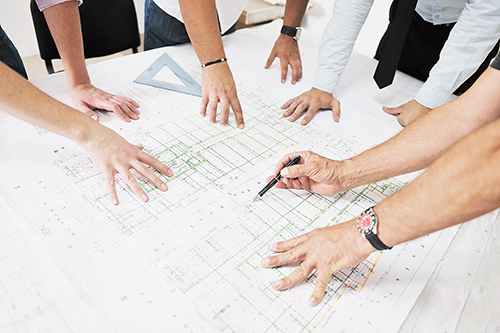
In that little space where design and engineering meet lies the area called architecture, which is an interesting mash-up of the two.
It is the perfect mix of art and science in designing buildings using certain styles of design and construction for these varying structures of different sizes and functions.
According to Wikipedia, it is “both the process and the product of planning, designing and constructing buildings and other physical structures”. It is also important to societies and how they identify themselves aesthetically because civilizations are often ‘identified’ by their architectural achievements that have survived eons.
This would make architects the artists who imagine what the world around them should look like, then through careful calculation and with patience and precision figure out viable, cost-effective and realistic ways to make their ideas come alive.
Simon Aindongo, an architectural technologist at Toivo Nuugulu Architects, says that this field is “the epitome of human expression of our successes,” so if all that is what you see yourself doing, then this may be the path for you.
Francis Shilongo, a third year Architecture student at the Polytechnic of Namibia, suggests that if this is a path you would like to pursue, you should first fall in love with the profession and develop a passion for it.
He also says that one does not need to be an amazing artist to join the craft, “but you do however need an effective medium to get ideas across to other people, especially those not familiar with the field”. Drawing is that medium.
To turn an idea into a real physical object like a building, for instance, first the architect talks to the client, namely the people for who they are designing. This way they get a feel for what the client would want the final project to look like before they go to the site to look at what already exists and asses what space they are working with.
Using the information they’ve gathered, the architect will then draw up preliminary plans assessing the feasibility of the plan and the way people will be able to move through the space. Finer details are not necessarily added yet. Once they are, the architect starts to look at permits and how the whole structure will come together.
Once the City sees that your plans meet all the codes and approves the plans, the contractor will come into play and with the plans as detailed as possible, construction begins to be administered.
Some common misconceptions that people might have about the field, which both Simon and Francis agree to, is that all they do is draw. The process involves a lot more and takes the joint effort of several different functioning parts.
As with any and all career paths, the greatest satisfaction comes with knowing you are doing a job that you love. Different jobs have their own little pleasures and rewards and architecture is no different. In this field, there is the joy in seeing your projects go from paper to reality and having other people see it in all its glory.
“Drawing pretty buildings and seeing them standing every day on my way to work seemed like a very good thing to achieve,” says Francis, who says he benefits by being able to use buildings to reflect where society is heading.
Simon says he enjoys the upside of being able to affect social change through making spaces and that he chose the field so that he could create buildings.
The biggest issue with being an architect is having to sacrifice a lot of your time to get designs and plans just right, so that they fit the specifications of the client and that they are realistic and economically viable.
Another downfall, which Francis says he faces, is the fact that “it is a harsh profession that entails taking criticism on a daily basis”.
To survive the long hours and stressful days, Simon suggests stocking up on passion and ‘forgetting’ your social life.
Other than that, sit down, get your tools out, begin sketching and enjoy.

