






The Baynes Hydropower Dam project leadership has dismissed allegations by International Rivers that the Kunene region’s Ovahimba and Ovatjimba communities were not properly consulted regarding the proposed construction of a new hydropower dam on the Kunene River.
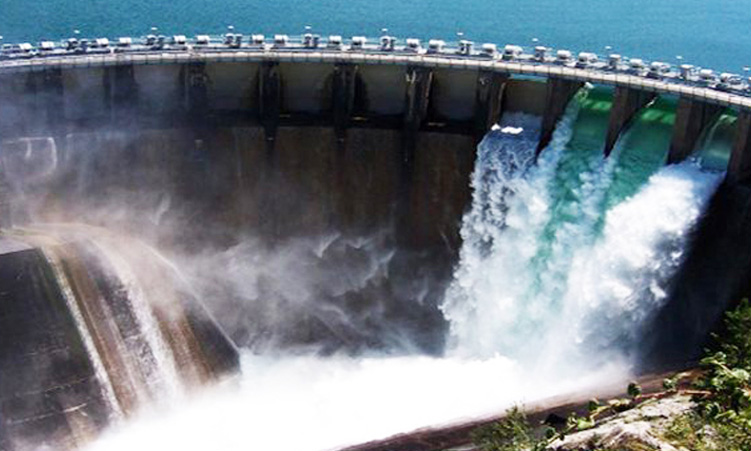
The project involves an 840 megawatt hydropower dam and is a joint initiative between the Namibian and Angolan governments, planned to be built in the Baynes Mountains along the lower Kunene River.
Muyenga Muyenga from the joint project technical committee, however, denies that no consultation was undertaken during the environmental feasibility study process, which ran from 2009 to 2014.
“Consultations were undertaken by the environmental consultants EMR from the United Kingdom, with offices in South Africa.
Further consultations took place at ministerial and project level from 2015,” he says.
The non-governmental organisation (NGO) International Rivers, through its Namibian campaign consultant Hans-Chritsian Mahnke, this week issued a statement in which it alleges that more than 600 Ovahimba and Ovatjimba community members last month raised concerns about the project, saying they have not been properly consulted.
“That could significantly affect their land, livelihood and access to the Kunene River,” Mahnke says.
He says the concerns were raised at Omuhonga village with a Namibian government delegation.
The meeting was held in the area where the two governments planned to build the dam, as well as at locations expected to be submerged by the project’s water reservoir.
The visit, according to International Rivers, was led by the ombudsman Basilius Dyakugha, who was accompanied by officials from the Ministry of Environment and Tourism and the National Heritage Council.
According to the statement, the engagement was facilitated by International Rivers.
While chief Hikumine Kapika of the Kapika Traditional Authority and members of his community expressed support for the project, other traditional leaders urged that this traditional authority represents a minority among those affected, the statement reads.
“They emphasised that although three traditional authorities exist in the project area, engagements to date have been limited to one group which is the Kapika Traditional Authority.
As a result, many Ovahimba and Ovatjimba communities who would be directly affected have not been adequately informed or consulted about the project,” International Rivers says.
Muyenga, however, disagrees with these claims, saying the Omuhunga group will not be directly affected by the dam construction as they do not live within the project area.
He says a stakeholder steering committee on resettlement was established in 2023.
“This group from Omuhunga is not represented in the steering committee as they are allegedly a break-away from the Kapika Traditional Authority.
We have directly engaged with this group and referred them to the Kunene North Traditional Leaders’ Forum, which is the focal contact point for the Baynes project.
“To date, they have not reverted to the project, other than continuing their engagement through NGOs International Rivers and Earthlife Namibia,” Muyenga says.
He says the project’s leadership remains open to engagement with any concerned group, provided such engagements are channelled through the steering committee.
In addition to the dam infrastructure, which includes the main dam and regulating dams, the project will also require the construction of access roads and transmission lines.
In September last year, a Namibia indigenous knowledge researcher from the Kunene region, Alphons Koruhama, said while he is not against efforts to build the dam, he is opposed to the process excluding some communities.
He claimed the project would affect ancestral land, the environment and is contrary to the provisions of the United Nations Convention on Biological Diversity to which Namibia is a party.