



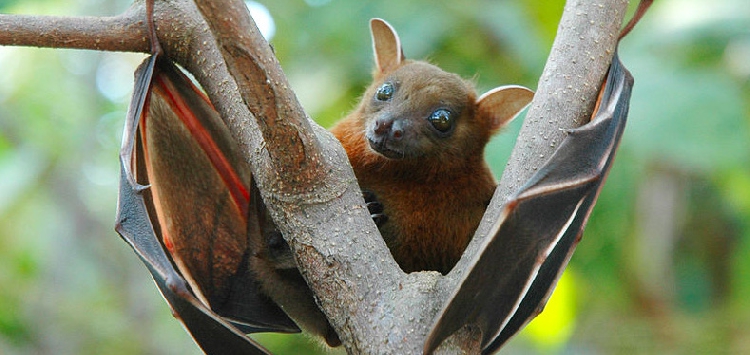
ARUSHA — Bats, which perform the vital ecological roles of pollinating flowers and controlling pests, have now become a menace in eastern Tanzania’s region of Morogoro.
Magoha is one of the affected villages with bats in Kilombero District, nearly 400 kilometres from Tanzania’s commercial capital, Dar es Salaam.
Villagers in the area expressed concern over the increasing number of bats, which have destroyed their crops as the flying mammals leave claw marks on crops, making the crops unfit for human consumption.
Abbas Jumanne is one of the villagers in the area who said in recent months that they have started experiencing a large number of bats in the area.
He said bats have been destroying coconuts and backyard gardens in the village.
“These animals give us a difficult time. I ask the government to chip in and address the problem, which poses a serious challenge on vegetables and fruits in this area,” Jumanne said.
“This is a disaster…bats are everywhere, we fail even to plant new crops on our farms. They have destroyed our coconut trees,” a woman in the area, Chalote Oswald, complained.
She noted: “We grow vegetables here, but we cannot take them to the market as they are contaminated with droppings from the flying animals.”
James Kiwepu, a local leader in the area, said the increasing number of bats is threatening even people’s health as they are everywhere.
“We have been contacting authorities, and they have been sending rangers who just chase them once in a while, then the number of bats increases again,” he said, urging the wildlife authority to take serious steps to reduce the flying mammals.
Natural resources officer in the Morogoro region, Joseph Chuya said the government was aware of the challenge, “and we have started working with other departments and experts from Sokoine University of Agriculture (SUA) on how to remove the animals from the village.”
He admitted that having a large number of bats in one area poses a health risk to people as the mammals need to be kept away from people’s homes.
Experts say bats perform the vital ecological role of pollinating flowers and dispersing fruit seeds; many tropical plant species depend entirely on bats for the distribution of their seeds. Bats are economically important as they consume insect pests, reducing the need for pesticides.
However, bats are listed as vulnerable on the International Union for the Conservation of Nature (IUCN) Red List of Threatened Species.
About 70% of bat species are insectivores. Most of the rest are frugivores or fruit eaters. A few species, such as the fish-eating bat, feed on animals other than insects, with the vampire bats being hematophagous, or feeding on blood.
In an age of information overload, Sunrise is The Namibian’s morning briefing, delivered at 6h00 from Monday to Friday. It offers a curated rundown of the most important stories from the past 24 hours – occasionally with a light, witty touch. It’s an essential way to stay informed. Subscribe and join our newsletter community.

The Namibian uses AI tools to assist with improved quality, accuracy and efficiency, while maintaining editorial oversight and journalistic integrity.
Stay informed with The Namibian – your source for credible journalism. Get in-depth reporting and opinions for
only N$85 a month. Invest in journalism, invest in democracy –
Subscribe Now!