


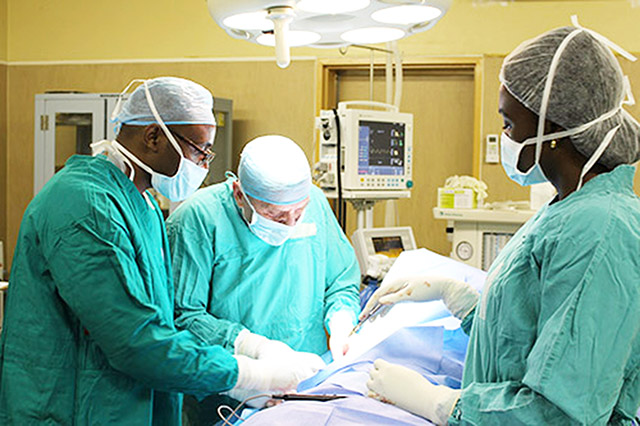
MORE than half the health professionals in Namibia are employed in the private sector, which serves less than 20% of the population.
There are currently about 17 500 registered health professionals including nurses, doctors, pharmacists and other specialists in the country.
Of this total, 63% or 11 200 are employed in the private sector, while only 37% or 6 300 are in the public sector.
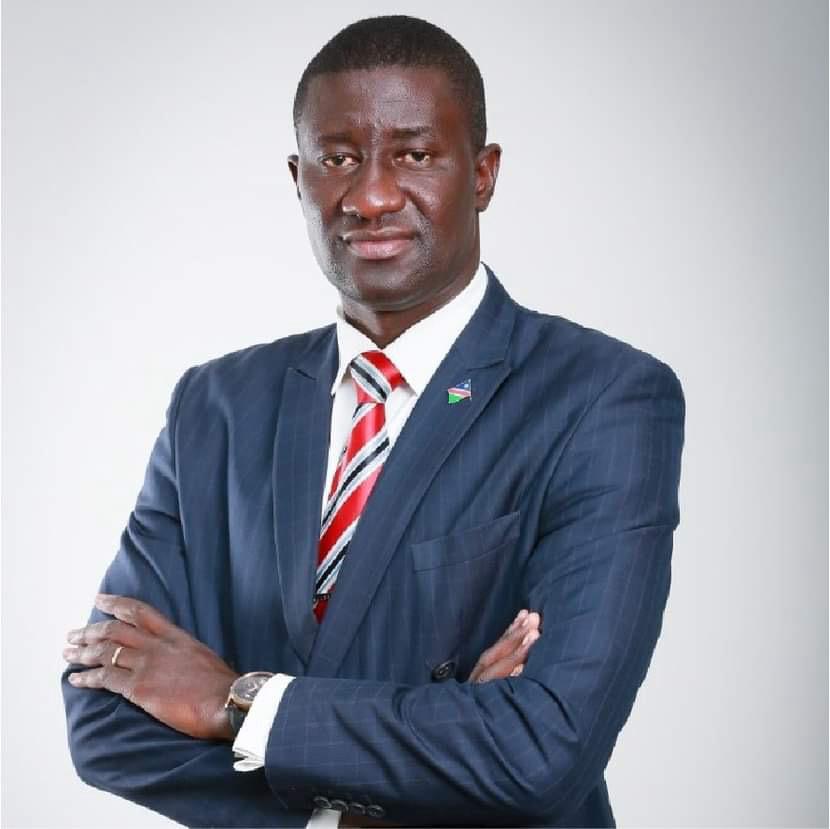
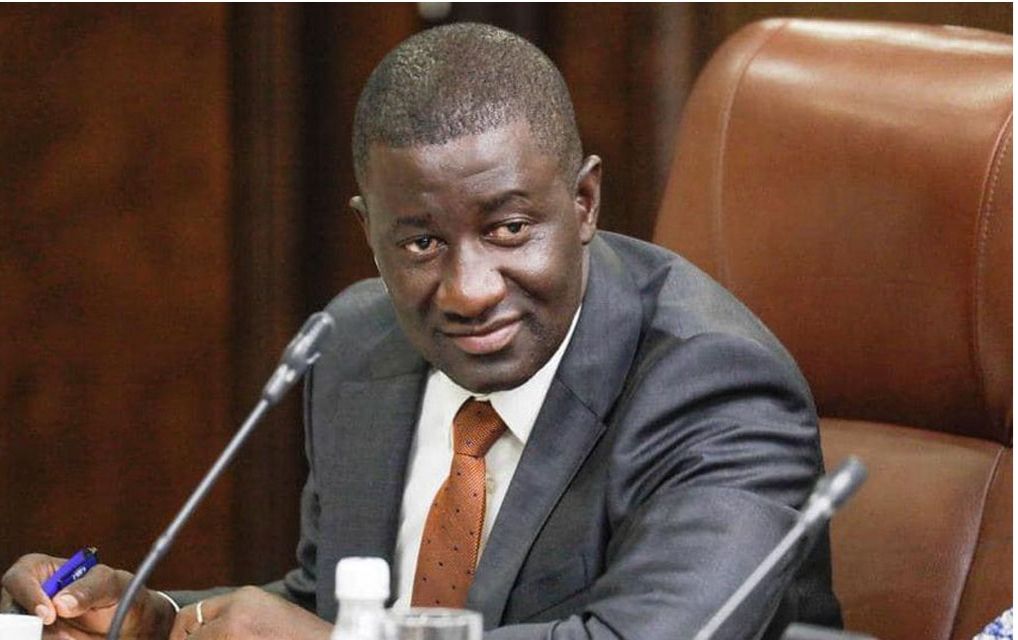
These statistics were revealed by health executive director Ben Nangombe at a meeting on the status of Namibia’s health sector organised by the Namibia Scientific Society in Windhoek last Wednesday.
The event, themed: ‘Health at the crossroads: Is there a prognosis’ – was aimed at discussing challenges in the public and private health sectors and propose ways to address them.
Nangombe revealed that as many as 79% of medical specialists and pharmacists are employed in the private sector.
The statistics mean that 80% of the population, or about 2 million people who utilise the public health sector facilities are being catered for by only 6 300 health professionals.
Nangombe said the shortage of health professionals in the public sector was one of the many contributing factors to the dire state the public health sector finds itself in.
The shortage of doctors and nurses in the public health sector, Nangombe said, could partly be blamed on the outdated staff establishment which does not allow the ministry to create new vacancies.
He added that this problem was also artificial, given the fact that there was a number of unemployed graduate health professionals on the streets.
At the moment, the ministry has been granted approval to fill more than 4 000 critical positions, Nangombe said.
Dr Rod Lichtmann from the Windhoek Central Hospital, who gave a presentation at the event, however, said doctors and other health professionals were leaving the public sector because it was becoming “more frustrating to work in”.
Lichtmann said doctors and other specialists were getting frustrated at the lack of or unavailability of clinical supplies, the dilapidating facilities and other uncertainties such as frequent power and water cuts at state hospitals and clinics, which delay operations. The delays in the delivery of medicines at state hospitals and clinics was also one of the factors frustrating health professionals in the public sector. Apart from the leaving doctors, Lichtmann said the public health sector was also in the state it found itself in today due to a multitude of factors such as the government’s inefficiencies and corruption, among others.
Health professionals who attended the event criticised the government for its lack of efficiency and inability to curb corruption in the public health sector.
A doctor who spoke at the event on condition of anonymity also criticised the manner in which the health ministry was handling its procurement process, which has opened up the system to manipulation and fraud.
The participants were also not happy with the fact that the ministry has been outsourcing almost every procurement function to middlemen, which leads to the government being overcharged.
The doctor, however, said the government’s funding towards the health sector was not the reason the public health sector was in the sorry state it finds itself in.
“When it comes to public private partnerships (PPP), I think the whole concept is being misunderstood in Namibia. What we are actually doing with the private sector is not actually PPP, but outsourcing, which is completely not sustainable and that’s how the government is losing money,” the doctor said. The health ministry has over the years been the third biggest recipient of the national budget allocations, after education and finance ministries.
For the 2019/20 financial year, the health ministry received close to N$7 billion. This represents 13% to the GDP of the government’s spending towards the health sector which is just 2% short of the recommended 15% threshold set by the Abuja declaration. The government spends an additional N$3,7 billion towards the public servant’s medical aid fund.
Statistics provided by Nangombe also show that the ministry received a combined funding of about N$820 million from international funding agencies such as the Global Fund and the United States President’s Emergency Plan for AIDS Relief (Pepfar) for the 2020/21 financial year.
The doctors and health professionals believe the government’s funding towards the public health sector was more than enough to address the challenges as it was close to the threshold set by the Abuja Declaration of 15% to GDP.
Lichtmann also agreed that the budget allocated to the health ministry was more than enough for the country’s health needs. He, however, questioned the manner in which the ministry allocates its budget to priority areas.
Lichtmann thus said most of the problems in the public health sector would be addressed through collaboration with the private sector without investing a lot of money.
Conflict of interest in the ministry was another problem that was diminishing the provision of quality healthcare in the country, according to the doctors.
“Conflict of interest for me is too real in our health system and sometimes the government is losing money to the doctors it has employed. We need to check who is owning what company and who is supplying what, because we are losing money. You can’t be an end consumer and at the same time, the supplier,” the doctor said.
Nangombe said the ministry was aware of doctors who were doubling as suppliers while employed in the public service.
Although he agreed that there were a lot of loopholes in the health ministry, Nangombe said part of the problem was created by the Public Procurement Act, as it created bottlenecks.
In an age of information overload, Sunrise is The Namibian’s morning briefing, delivered at 6h00 from Monday to Friday. It offers a curated rundown of the most important stories from the past 24 hours – occasionally with a light, witty touch. It’s an essential way to stay informed. Subscribe and join our newsletter community.

The Namibian uses AI tools to assist with improved quality, accuracy and efficiency, while maintaining editorial oversight and journalistic integrity.
Stay informed with The Namibian – your source for credible journalism. Get in-depth reporting and opinions for
only N$85 a month. Invest in journalism, invest in democracy –
Subscribe Now!