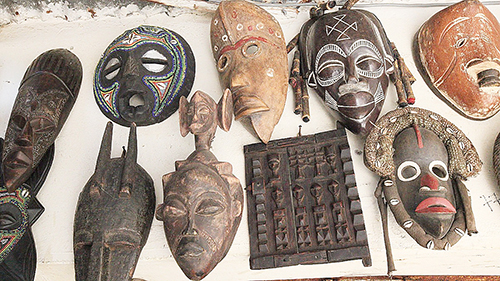
Prior to Western religions imported by colonialism, various cultural groups and tribes, both in Namibia and Africa as a whole, shared in traditional African religious practices.
Many of these practices are today considered by some to be outdated at best and in more extreme cases, downright evil.
With the introduction of traditional Christian churches, people were taught that the only religions they should adhere to are those taught by the missionaries who came into African countries. Considering that Westernisation was perceived as important for the growth and progression of a community, following traditional cultural practices was frowned upon.
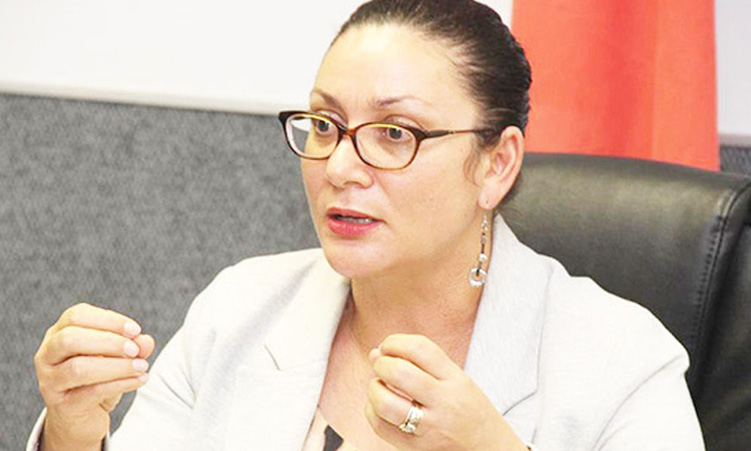
“African spirituality is the source of all humanity – of how to exist as human beings in relation to our existential being, in relation to each other and in relation to a higher being,” says Professor Russell Kaschula, head of the School of Languages Department at South Africa’s Rhodes University.
“For this reason it is important. It is the basis of humankind,” he says, prefering to refer to African spirituality rather than religion.
Today, as different religions have been introduced and their denominations have increased, are cultural beliefs still relevant? Not only to those in rural areas but those part of the urban population?
Common generalisations that people have about traditional religions is their involvement with witchdoctors who have the ability to consult spirit mediums, talking to the dead and the use of idols in worship. Some traditional religions are classified under misleading terms such as paganism and animism.
Traditional African beliefs attach importance to ancestors and a supreme being. For example, in Otjiherero culture, they commonly refer to this higher power as Njambi (or Nyambi) Karunga. Emphasis is placed on their ancestors because they act as intermediaries, the higher power is worshipped through them.
In a country where more than 90% of the population are Christian, stated in the Namibia 2013 International Religious Report, it is not surprising that only a small minority still follow their traditional beliefs.
At some point it should not be forgotten that before factors like colonialism, traditional African beliefs were the only teachings followed.
“Colonialism and the neo-colonial world within which we all still live has tricked us and continues to trick us: what comes from Africa is bad and what comes from the West is good,” says Professor Kaschula.
European missionaries were brought in to convert Africans to Christianity, this involved teaching them European languages, baptising them into Christian religions with European names, moving them further away from the indigenous languages that cemented their traditional beliefs.
Considering that oral communication was the way of the land, spiritual beliefs were passed down generationally from the elders.
“Our languages, our cultures and our beings as underpinned by African philosophy and in terms of the neo-colonial ethos, this must be bad,” said Professor Kashula. With the introduction of literature and foreign languages brought about by colonialism, locals eventually migrated to Christian beliefs.
An attitude of considering Western lifestyle as superior to anything African is evident in the way people, especially those forming the urban population go about their daily lives. Less traditional practices are adhered to, at times there are still traditional beliefs that have carried over in conjunction with Christian beliefs. They still form part of how we identify ourselves culturally.
Traditional beliefs can still coexist with Western religions and that is clearly the case when you consider the traditional beliefs upheld by people of the Oshiwambo, Otjiherero and Damara/Nama or San communities.
In an article written by Leonard Madu for Modern Ghana, the reason religions such as Christianity or Islam coexist harmoniously with African religion is because it’s not “export oriented”, “non hegemonic” and “non proselytizing”, they “did not have the ambition to conquer the world”.
“We will take from the West what we want and marry it with that from Africa in a way which allows us to remake ourselves successfully in relation to ourselves rather than the rest of the world,” Professor Kaschula ended.
In an age of information overload, Sunrise is The Namibian’s morning briefing, delivered at 6h00 from Monday to Friday. It offers a curated rundown of the most important stories from the past 24 hours – occasionally with a light, witty touch. It’s an essential way to stay informed. Subscribe and join our newsletter community.

The Namibian uses AI tools to assist with improved quality, accuracy and efficiency, while maintaining editorial oversight and journalistic integrity.
Stay informed with The Namibian – your source for credible journalism. Get in-depth reporting and opinions for
only N$85 a month. Invest in journalism, invest in democracy –
Subscribe Now!