



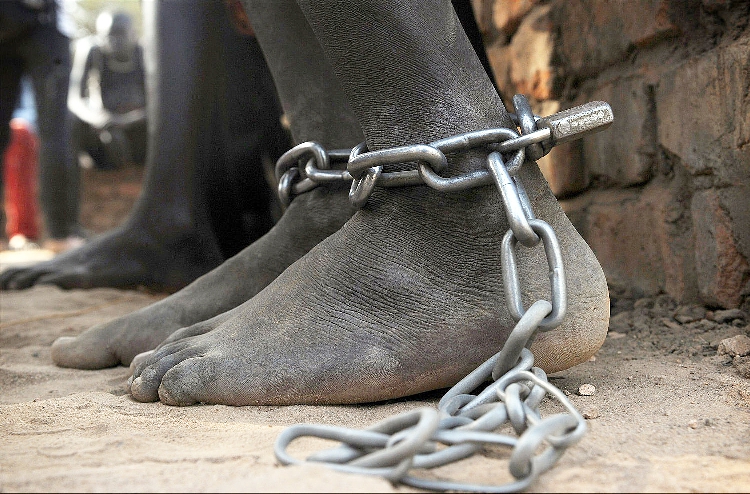
“;If black people could get through slavery, they can get through anything.”
This is one of many statements used to argue that black people cannot suffer from mental illnesses.
Mental illness is seen as something foreign in many African communities, which makes it hard for the promotion of mental health.
“Many mental illnesses go untreated because we as black people do not generally see an illness as an ailment unless it is physical,” says social worker Patronella Swartz.
She says that as much as a lot of emphasis should be placed on promoting mental health, it becomes neither here nor there if there is a sort of ignorance towards the existence of mental illnesses.
Industrial psychologist Julia Mushellenga says the difficulty in having mental illnesses recognised as existing illnesses comes from what the black communities were taught and told generations ago.
Bipolar disorder, schizophrenia, depression and anxiety were only conditions people in soapies suffered from.
In the average black home, the symptoms of these conditions were explained away with one simple word: Moods.
‘She is a very moody person’ or ‘he just has his moods today’ are some of the very common phrases used to excuse what could possibly be a serious mental condition.
Past Practices and Mental Health Myths
In some African tribes, mental illnesses and conditions were largely linked to witchcraft and that may also be a contributing factor to people not being keen on accepting that they may suffer from a mental condition and therefore won’t seek medical attention.
According to Swartz, self diagnosis is also one of the biggest problems faced by a number of people in Namibia.
Many people, rather than seeking medical help, dismiss their condition as either stress or just being tired.
Factors Contributing to the Lack of Knowledge on Mental Health in Black Communities
According to World Health Organisation reports, a lack of other vital needs, difficulty finding employment and poverty also increase the risk of mental illness.
Many of the older generation and adults who were exposed to racism and brutality during the apartheid era have never received any psychological counselling or medical treatment. People were left to move on from being oppressed to being independent without them being treated for any psychological imbalance the apartheid era may have caused.
Because mental conditions have always been frowned upon, there are a lot of misunderstandings and a lack of information regarding mental health.
This lack of knowledge leads many to believe that a mental health condition is a personal weakness or a curse, hence they opt to keep it a secret.
There are a lot of social evils such as gender-based violence and suicide that may be finding their roots in untreated mental conditions.
“Things that we dismiss as moods, a bad temper and just having the blues can actually be conditions such as depression, anxiety and schizophrenia but because we do not recognise these as medical conditions, they cannot be treated,” Swartz said.
In order for mental health to be effective in the community, misconceptions and myths around mental illnesses must first be corrected. Informing and educating society is also much needed.
The minute depression, schizophrenia, bipolar disorder and anxiety are recognised as existing health conditions in our communities, treating them will be easier.
In an age of information overload, Sunrise is The Namibian’s morning briefing, delivered at 6h00 from Monday to Friday. It offers a curated rundown of the most important stories from the past 24 hours – occasionally with a light, witty touch. It’s an essential way to stay informed. Subscribe and join our newsletter community.

The Namibian uses AI tools to assist with improved quality, accuracy and efficiency, while maintaining editorial oversight and journalistic integrity.
Stay informed with The Namibian – your source for credible journalism. Get in-depth reporting and opinions for
only N$85 a month. Invest in journalism, invest in democracy –
Subscribe Now!