




Globally, one in five plants are close to extinction. That is equivalent to 40% of our flora vanishing in the next decades.
The global demand for endemic and rare plant species has increased because many covet them for their aesthetics and ornamental use.
In southern Africa countries such as Namibia, which has about 400 to 700 endemic plant species, they are significantly targeted by plant poachers.
A prominent Namibian botanist, Antje Burke, believes some Namibian succulent plants are under more threat of extinction than black rhinos.
According to the Namibia National Wildlife Protection and Law Enforcement Report for 2024, seven serious plant poaching cases were recorded in 2024. A total of 700 plants from these cases were rehabilitated.
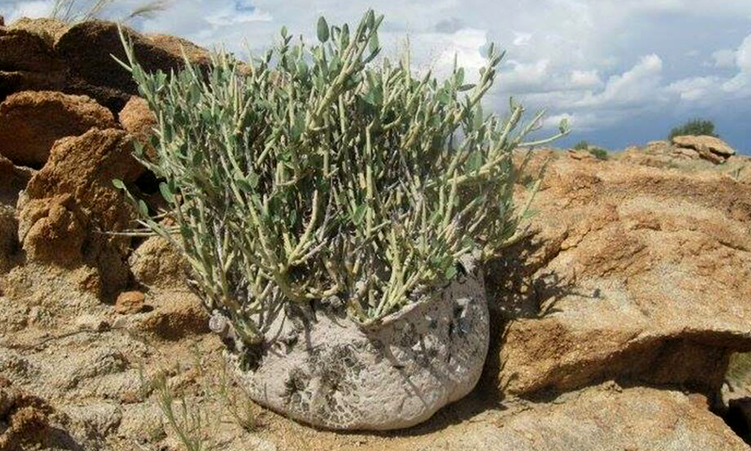
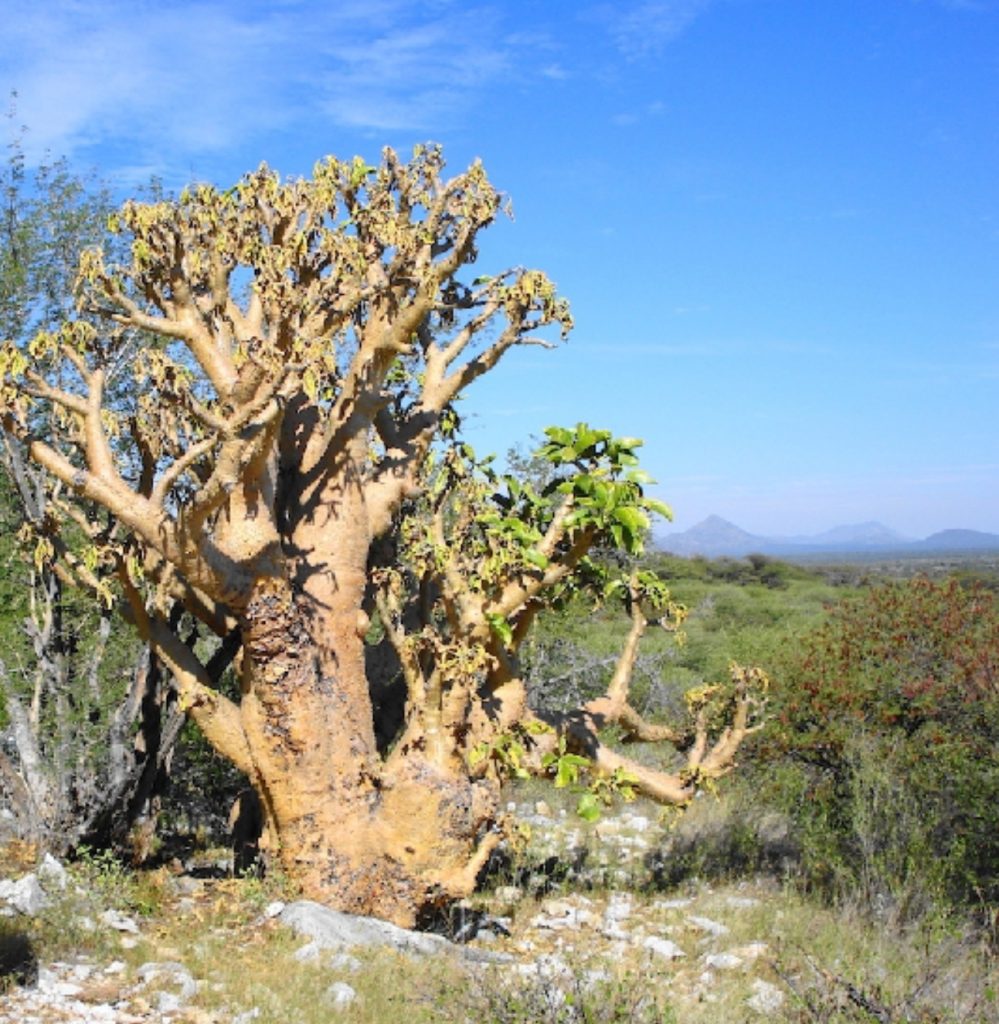
Most poaching reports came from the Kunene region. Succulents such as the Elephant’s Foot (Adenia pechuelii) and the Kobas (Cyphostemma) are targets for poachers because of their unique aesthetics and rareness.
Both are endemic in arid to hyper-arid western Namibia
A global issue is ‘plant blindness’. This term refers to a lack of awareness of the major role plants play in our environment.
Most plants extracted from our habitats are ancient organisms which are carbon sinks, and responsible for preventing soil erosion as the water they store stabilises the ground.
CHAIN OF LIFE
We shouldn’t forget that many species, including insects, butterflies and even rhinos, rely on these succulents as a food resource.
In addition, their uniqueness makes them valuable for tourism.
Namibia has a powerful community conservation programme and many people in rural areas make significant contributions to protecting our natural resources.
However, some local people who know the area well and are within walking distance of these plants are involved in illegal actions.
Some people may not be aware of the damage they are causing, while others profit from poaching plants.
In recent years, Namibia has invested in tackling plant poaching.
The Protected Plants Task Team, established in 2023, has enabled training officials and border security on the identification of plants, positioning them to catch border smugglers.
Through the National Botanical Research Institute, many plants confiscated from poachers have been replanted in their natural habitats.
A local non-governmental organisation, the Namibian Chamber of Environment, has supported conservationists in entering and updating endemic species in the national plant database in the Namibian Environmental Information System.
WE NEED TO DO MORE
Nonetheless, more has to be done to protect endangered species.
Namibia also needs to look into in vitro propagation more deeply: this means collecting a small amount of plant material for lab growing, without hurting the wild plant.
In addition, citizens can help by reporting suspicious activities, choosing reputable nurseries when they source plants, and by supporting conservation organisations.
We all need to help protect our wildlife and protected species.
Poaching for bush meat, gaining income from local plants and killing high-value species diminish our shared resource base, nature and culture.
The future is in our hands.
– Zafari Zeidler, School Environment Clubs (SEC) Namibia committee member. The SEC works with the public and schools on creating environmental awareness and pro-conservation action. For more information, please contact 081 321 0154.
In an age of information overload, Sunrise is The Namibian’s morning briefing, delivered at 6h00 from Monday to Friday. It offers a curated rundown of the most important stories from the past 24 hours – occasionally with a light, witty touch. It’s an essential way to stay informed. Subscribe and join our newsletter community.

The Namibian uses AI tools to assist with improved quality, accuracy and efficiency, while maintaining editorial oversight and journalistic integrity.
Stay informed with The Namibian – your source for credible journalism. Get in-depth reporting and opinions for
only N$85 a month. Invest in journalism, invest in democracy –
Subscribe Now!