


Many of us are still reeling from the tragic loss of life on our roads during the Easter weekend.
Families buried loved ones. Communities are mourning the loss of many promising young people. As a nation, we were reminded once again that road crashes are not statistics – they are funerals, broken families and futures cut short.
We can no longer treat these losses as routine events that accompany long weekends.
Something is deeply wrong when a country with such a small population and some of the best road infrastructure in the world, continues to lose so many lives on its motorways.
Media reports indicated that 10 people died over the last Easter weekend alone.
Based on past trends, this likely means that between 70 and 100 additional people were injured, and/or are recovering in hospitals and elsewhere.
Each of these injuries represents suffering that often lasts a lifetime.
Yet what do we do as a society? We mourn. We bury our dead. And then we continue as if nothing has happened.
WHO CARES?
International studies, including one by the University of Michigan Transportation Research Institute covering 193 countries, once reported that Namibia had the highest road-crash death rate per capita in the world at the time.
Wolrd Health Organisation global road safety data has repeatedly placed Namibia among countries with very high road traffic fatality rates per 100 000 people. Even where the methodology of these reports has been debated, the message remains unmistakable: we have a serious national problem on our roads.
The main causes of crashes in Namibia are not a mystery: speeding, driving under the influence of alcohol, reckless overtaking, driver fatigue, unsafe driving behaviour, and human error
These are not unavoidable accidents. They are preventable.
We also know the most common types of fatal crashes: head-on collisions, rollover crashes, side-impact collisions, pedestrian impacts, high-speed highway crashes involving buses and trucks.
Importantly, this tells us that many of these deaths are avoidable. Unfortunately, dangerous driving is slowly becoming normalised in our society.
It is not unusual to hear drivers boast about reaching Walvis Bay from Windhoek in less than three hours, or Keetmanshoop in barely three and a half.
These are not achievements. They are warnings. Such speeds endanger every person sharing the road.
DEADLY TOLERANCE
Similarly, anyone visiting local drinking establishments can observe drivers holding car keys while consuming alcohol, fully intending to drive home afterward.
This behaviour is widely tolerated. Rarely is it challenged.
In Windhoek, traffic violations happen daily: drivers run red lights, ignore stop signs, force their way into queues, and drive aggressively without consequence.
Even more worrying is that some of those who ignore traffic laws are individuals entrusted with enforcing them. When enforcement collapses, compliance disappears, and lives are lost.
We must ask ourselves a difficult question: Have we, as a society, become too tolerant of behaviour that is killing our people?
Not every crash can be prevented. Mechanical failures happen. Animals cross roads unexpectedly. Tyres burst. But speeding, drunk driving, reckless overtaking, and ignoring traffic signals are human choices.
And human choices can be changed. Countries worldwide have reduced road deaths through decisive enforcement: repeat offenders lose their licences, dangerous drivers face suspension or imprisonment, law enforcement officers who violate traffic laws face disciplinary action or lose their jobs, alcohol limits are strictly enforced
ENOUGH IS ENOUGH
Why should Namibia expect different results if we apply weaker standards? Saving lives requires courage – from the government, from law enforcement, and from citizens.
We must introduce real consequences for dangerous driving. Zero tolerance for drunk driving must become the national standard. Habitual offenders should lose their licences.
Those who repeatedly endanger others must be removed from the roads before they remove others from their families forever.
This is not about punishment. It is about protection. Do we really want to continue protecting reckless drivers while innocent families pay the price?
Do we want Namibia to become known as a country where road travel is feared rather than enjoyed? Or do we want to become a nation where road safety reflects respect for human life?
Enough is enough. Our lives matter. Our families matter. Our country matters.
Let us act – together – before the next long weekend becomes another national mourning period.
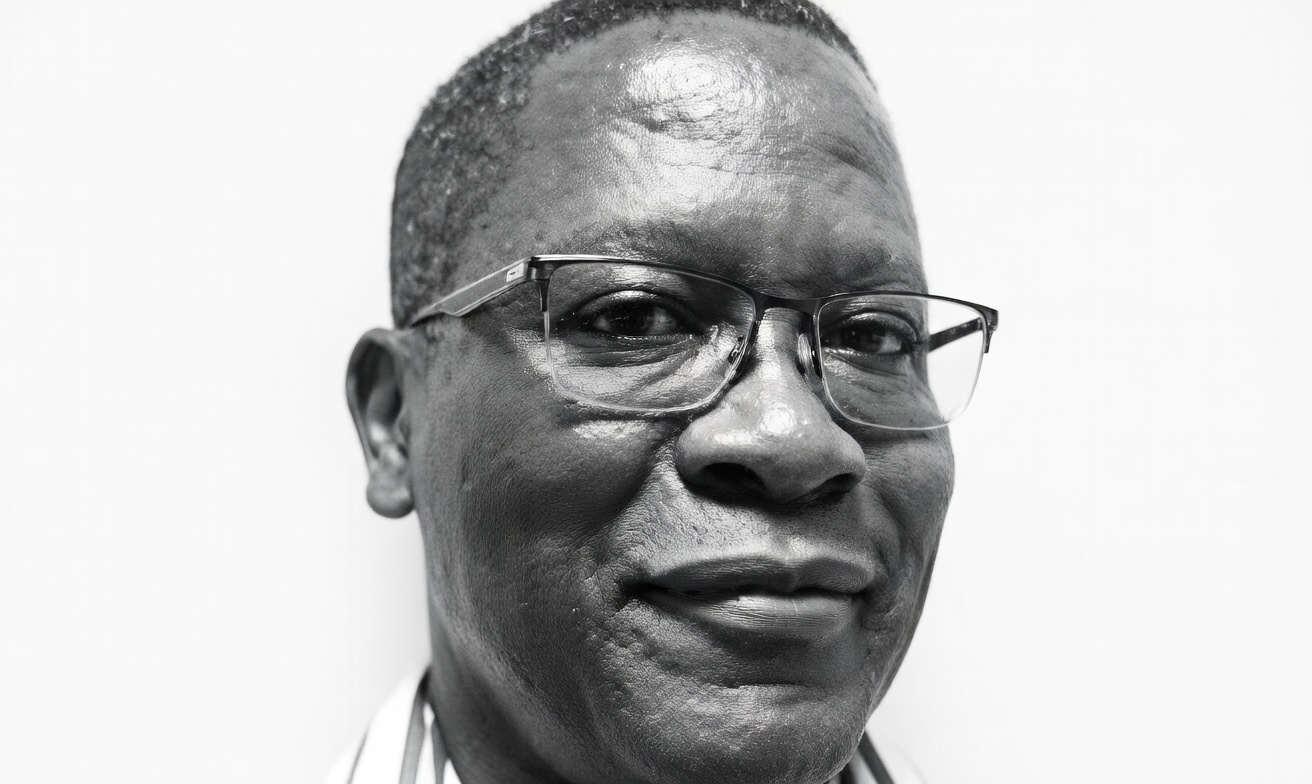
* Seth Nowaseb is an author and senior lecturer at the University of Namibia. He writes in his personal capacity.
In an age of information overload, Sunrise is The Namibian’s morning briefing, delivered at 6h00 from Monday to Friday. It offers a curated rundown of the most important stories from the past 24 hours – occasionally with a light, witty touch. It’s an essential way to stay informed. Subscribe and join our newsletter community.

The Namibian uses AI tools to assist with improved quality, accuracy and efficiency, while maintaining editorial oversight and journalistic integrity.
Stay informed with The Namibian – your source for credible journalism. Get in-depth reporting and opinions for
only N$85 a month. Invest in journalism, invest in democracy –
Subscribe Now!