



At the European Union–African Union summit held in Luanda from 24 to 25 November, under Angolan president João Lourenço’s chairmanship, a declaration was adopted that hit a nerve in the American administration.
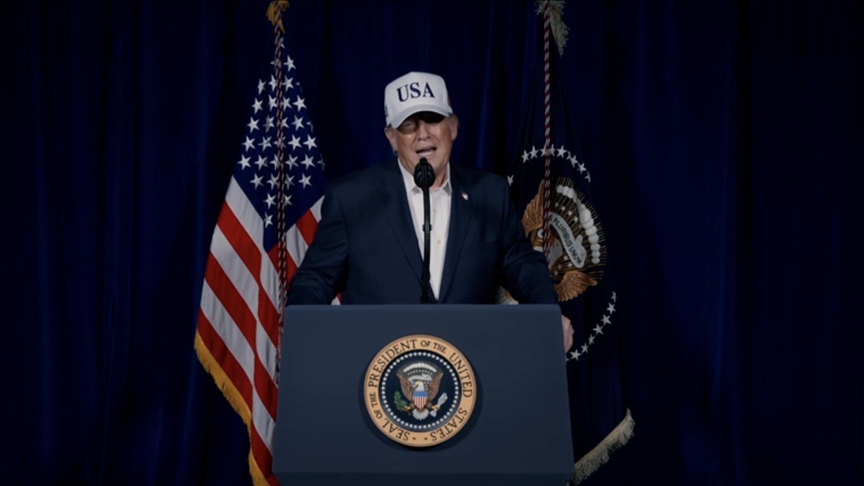
Paragraph 11 of the joint document criticised the volatility of global trade and the unpredictability of trade policy – a transparent jab at United States (US) president Donald Trump’s tariff chaos.
Washington saw it as a stab in the back.
Angola had just received over US$6 billion (about N$102 billion) from the US for infrastructure (the Lobito Corridor, energy projects, port modernization) – and then signed a text that indirectly undermines American trade policy, contrasting it with “stable” European relations.
THE PORTUGUESE FACTOR
Portuguese prime minister Luís Montenegro played a key role. He arrived in Luanda two days before the summit and held a closed-door meeting with Lourenço at the presidential palace.
While strategic partnerships were discussed, the Portuguese leader was essentially pushing a European agenda: take Washington’s money, but bet on the European Union (EU) – where the rules don’t change with a single tweet.
Montenegro told journalists that Portugal and Angola are “moving together in building stronger nations” and that European-African cooperation should be “decisive” amid “growing challenges” – a veiled contrast to America’s unpredictable tariff regime.
THE CALCULATION IS CLEAR
Europe offers €150 billion (about N$3 trillion) in Global Gateway funding plus political backing in Brussels and support through Portuguese channels. The US’ US$6–7 billion for Lobito is a one-time handout; the EU is a long-term partner with stable rules of engagement.
THE WASHINGTON VISIT AS AN EXPLANATION
On 2 December, Lourenço flew to the US –ostensibly to discuss infrastructure and the Democratic Republic of Congo (DRC)–Rwanda peace agreement. But he met not with Trump, but with deputy secretary of state Richard Landau.
Trump himself received the DRC and Rwanda’s leaders that day, leaving the Angolan president sidelined – a clear signal of displeasure. The White House logic is straightforward: Lourenço pocketed American generosity, then publicly backed European criticism of the US.
Paragraph 11 of the declaration is no accident – it’s the result of Portuguese lobbying in the struggle for African influence between Washington and Brussels. And Lourenço chose a third path: American money, EU anchor, public criticism of American policy.
In an age of information overload, Sunrise is The Namibian’s morning briefing, delivered at 6h00 from Monday to Friday. It offers a curated rundown of the most important stories from the past 24 hours – occasionally with a light, witty touch. It’s an essential way to stay informed. Subscribe and join our newsletter community.

The Namibian uses AI tools to assist with improved quality, accuracy and efficiency, while maintaining editorial oversight and journalistic integrity.
Stay informed with The Namibian – your source for credible journalism. Get in-depth reporting and opinions for
only N$85 a month. Invest in journalism, invest in democracy –
Subscribe Now!