



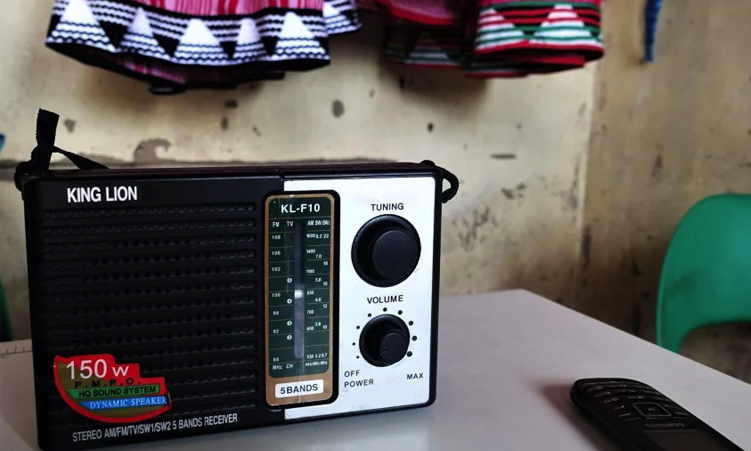
Experts and industry leaders assert that artificial intelligence (AI) will serve as a supportive tool rather than a replacement for human authenticity in radio newsrooms.
Speaking to Desert FM yesterday ahead of World Radio Day observed annually on 13 February, journalist, researcher and communication lecturer Wanja Njuguna said radio remains the most powerful source of information – particularly for people who cannot read.
“AI cannot tell the story or understand local languages the way humans do,” she said.
She, however, warned that AI could still learn to do so in the coming years, bringing both risks and opportunities.
While AI can lighten workload with transcribing, for example, Njuguna warned that one still needs to verify facts.
“I used to give my students a 40% AI limit for assignments, but now I’m thinking about how to reduce it because it’s becoming an issue. You need to be careful, because it poses a lot of ethics and credibility issues,” she said.
Njuguna advised journalists to prioritise human judgement and personal efforts before using AI, noting that this is essential in maintaining radio ethical standards.
She said AI should only be used as a supportive tool rather than a replacement for professional responsibility.
Meanwhile, media ombudsman Sadrag Shihomeka says AI should not be feared but embraced.
He says AI can, however, not completely replace the human touch.
“We are, therefore, urged to remain lifelong students to acquire new skills on the use of AI correctly, responsibly, and ethically. AI, in fact, might create more newer job opportunities inasmuch as it is closing some.
“Therefore, we need to upgrade ourselves and remain relevant to our duties and responsibilities,” Shihomeka says.
“I am convinced that if we embrace AI correctly and responsibly, quality radio transmission and news coverage will emerge and all the radio constituencies will be reached equally and fairly,” he says.
Shihomeka says radio is easily accessible, generating and disseminating news and a platform where citizens can express their opinions and hold their leaders accountable.
“Radio is the ears and eyes of the public in terms of challenges, social disharmony and transformation. It keeps us up to date with current affairs,” he says.
Communications Regulatory Authority of Namibia spokesperson Mufaro Nesongano says AI is not a threat to radio, but an enabler.
He says it could assist with research, production and creativity, but cannot replace the human voice, authenticity and connection – which make radio powerful.
“The future is radio evolving responsibly with AI. Radio remains one of the most trusted and accessible forms of media, especially in communities where other platforms do not always reach,” he says.
In an age of information overload, Sunrise is The Namibian’s morning briefing, delivered at 6h00 from Monday to Friday. It offers a curated rundown of the most important stories from the past 24 hours – occasionally with a light, witty touch. It’s an essential way to stay informed. Subscribe and join our newsletter community.

The Namibian uses AI tools to assist with improved quality, accuracy and efficiency, while maintaining editorial oversight and journalistic integrity.
Stay informed with The Namibian – your source for credible journalism. Get in-depth reporting and opinions for
only N$85 a month. Invest in journalism, invest in democracy –
Subscribe Now!