



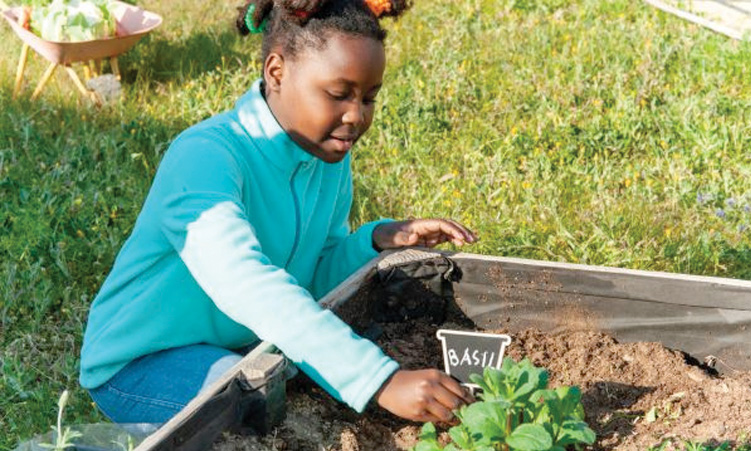
THE Namibia Agricultural Union (NAU) has called for children to be part of agriculture by making membership to the union accessible and affordable to them.
In a statement carried in its weekly newsletter, the union says children who grow up on farms and among farmers’ associations understand the challenges of farming and also feel a sense of gratitude when it rains.
“After school, they study, start working, or go overseas, but still carry with them a deep sense of farm life,” the union says.
This stance echoes that of youthful stud goat farmer and auctioneer Xico Coetzee (30), who recently called for older farmers to teach their children farming to revive the sector.
“The older generation should rouse the youth’s interest in farming. What would the sector be in 30 to 40 years if nothing is done now?” he asks.
Children who are involved in agricultural and farmers’ association activities from a young age will realise and understand the value of this, the union says.
“They will use the structure to exchange information with other people in similar situations and circumstances, stay informed about what is happening in their environment, and also be curious about where they can further learn or obtain new information on a specific topic,” it says.
The union says children should become involved in agriculture for several important reasons including connecting to food sources, as agriculture helps them understand where their food comes from, giving them a deeper appreciation of the process that goes into growing and producing food.
“This knowledge can lead to healthier eating habits and greater respect for the environment as agriculture teaches children about sustainability, conservation, and the importance of protecting natural resources.
“It can foster an understanding of how ecosystems work, and the impact humans have on the environment,” the NAU says.
Working on a farm or in a garden helps children develop important life skills, such as responsibility, teamwork, and solving problems.
They learn about hard work, time management, and the consequences of their actions, all while working with plants and animals.
As agriculture often involves outdoor work, which promotes physical activity, it encourages children to be active, moving around and working in the fresh air, which is essential for their health and development.
The NAU says as farming and gardening require patience and consistency, children involved in agriculture can learn about the effort needed to grow crops or raise animals, which helps instil a strong work ethic and the value of perseverance.
“Agriculture can be an engaging way for children to learn science, maths, and even history. They can see concepts in action, like plant biology, soil health, weather patterns, and the relationship between different organisms in an ecosystem.”
Agriculture often brings communities together, and children involved in local farming or gardening projects can interact with others in their community, which can help build a sense of connection and social responsibility.
“Introducing children to agriculture can spark an interest in careers within the agricultural industry, which is vast and offers many opportunities.
“They may develop a passion for farming, environmental science, food production, or even agribusiness.”
– matthew@namibian.com.na
In an age of information overload, Sunrise is The Namibian’s morning briefing, delivered at 6h00 from Monday to Friday. It offers a curated rundown of the most important stories from the past 24 hours – occasionally with a light, witty touch. It’s an essential way to stay informed. Subscribe and join our newsletter community.

The Namibian uses AI tools to assist with improved quality, accuracy and efficiency, while maintaining editorial oversight and journalistic integrity.
Stay informed with The Namibian – your source for credible journalism. Get in-depth reporting and opinions for
only N$85 a month. Invest in journalism, invest in democracy –
Subscribe Now!