



IT used to be a memorable send-off for the deceased.
The men would sit outside on camping or plastic chairs, chatting about everything under the sun, while the women gathered and sat inside the ondjuwo yetando (house of mourning).
Tradition dictates that the women should not be seen mourning outside, hence the gathering in this room, where they “take turns to cry” and sing the praises of the departed.
One woman would lament, while the others would join in a crying chorus.
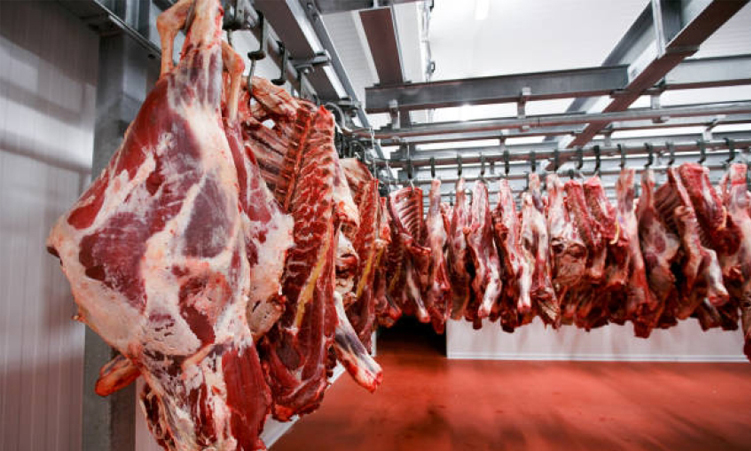
Outside, two cattle or more would be slaughtered, while tea is served.
This would be a typical scene at any Ovaherero funeral gathering – until Covid-19 hit.
Depending on how well-known the deceased was in the community, these gatherings attracted large numbers – but not any more.
The culturally inclined Omaheke region has been forced to face another reality of the pandemic – a dent in the cultural and traditional norms they hold dear.
Several age-old traditions that have been passed down from one generation to the next have come under threat, especially funeral and burial ceremonies.
To the Ovaherero community, these traditions are sacred, and Covid-19 regulations had unsettled stern traditionalists.
To many of them, changing traditions, rituals and rites is a bad omen.
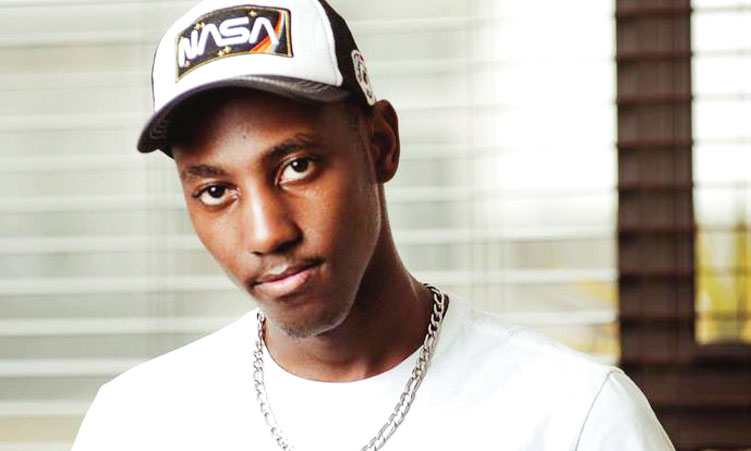
One such person is Banda Hijangaruu Veseevete, an orator of Ovaherero history and a respected expert on traditional matters.
“While we appreciate and understand the government is doing this to save lives, we are just worried that no consultations were done on how we feel on the matter,” Veseevete says.
The most glaring difference between a Covid-19 funeral and what many here have been accustomed to, is the number of mourners.
Here, in rural Omaheke, as is the case elsewhere, more is definitely merrier.
Dave Rukero, also an expert on traditional matters, explains this further.
“Many expect that someone who has served others in his life usually attracts a lot of mourners. This is also the case when a patriarchal or maternal head of a clan dies. People flock from all over the country, driving long distances to be present at this last send-off. So in a way, the number of people that come for you at your funeral usually reflect the kind of role you played in society,” he says.
Recent Covid burials also had another notable change: Few or no cows were slaughtered at such burials.
Traditionally, it is not a funeral unless two or more cattle are slaughtered and the meat is consumed during the lengthy funeral proceedings.
The ‘house of mourning’ is the hallmark of every Ovaherero funeral.
The opening of this house marks the official start of the mourning process, usually accompanied by the slaughtering of a cow or a sheep.
“Traditionally, women do not cry or mourn their loved ones out in the open where everyone, even the children, can see their tears. They would have to congregate somewhere and do this properly. That is why this is a very important part of the mourning process,” Rukero says.
After opening it, mourners, usually women, family elders and visitors would gather in this house and mourn the dead.
It is in this same house where the coffin would overnight once it is brought from where the person died.
During such time, mourning in the form of traditional praise singing for the departed person would ring right into the wee hours of the morning, with each mourner taking turns to murmur such praises.
Covid-19 has also instilled a sense of urgency around funeral proceedings.
Everything needs to be over and done within an hour.
In an age of information overload, Sunrise is The Namibian’s morning briefing, delivered at 6h00 from Monday to Friday. It offers a curated rundown of the most important stories from the past 24 hours – occasionally with a light, witty touch. It’s an essential way to stay informed. Subscribe and join our newsletter community.

The Namibian uses AI tools to assist with improved quality, accuracy and efficiency, while maintaining editorial oversight and journalistic integrity.
Stay informed with The Namibian – your source for credible journalism. Get in-depth reporting and opinions for
only N$85 a month. Invest in journalism, invest in democracy –
Subscribe Now!