Namibia faces a growing crisis: Too many boys in Namibia are growing up without active fathers.
Official data reveals that more than half of Namibian mothers raise children alone, and that 53% of infants under two live only with their mother despite their father being alive.
In neighbouring South Africa, about 64% of children live without their biological father. These numbers underscore a regional dilemma that must not be ignored.
Fathers serve as role models and authority figures, helping instil discipline, values and self-worth.
As Cassie Carstens emphasises in ‘Reviving Dad Power’, “the most fundamental flaw in society is fatherlessness”.
Without this presence, boys often struggle to learn respect, self-discipline and purpose.
Research shows that many children with behavioural issues lack father figures, often leading to emotional instability and defiance of authority.
CONSEQUENCES
The educational consequences are striking.
Boys without involved fathers are more likely to misbehave or fall behind in school.
Namibia has seen a steady decline in male participation in higher education, with females now outnumbering males 140 to 100 in tertiary institutions.
This disparity reflects how a lack of guidance can stunt boys’ academic and personal growth.
These issues continue into adulthood.
With youth unemployment at around 38% (MacroTrends), many young men face a bleak future.
Without education, job skills or support networks, they are more likely to experience poverty, hopelessness and identity crises.
For many, the absence of a father figure to offer advice or encouragement leaves them adrift, Munyungano Musisanyani writes in ‘Men and Suicide in Namibia’.
The social impact is also severe.
Studies in Southern Africa show that absent fathers are linked to higher levels of crime and delinquency.
Some boys seek belonging through gangs or resort to drug and alcohol use as a coping mechanism.
These types of risky behaviour often stem from the absence of a stabilising male role model.
Mental health is another major consequence. Depression, anxiety and low self-esteem are frequently reported among youth experiencing parental absence.
Between 2020 and 2023, 1 542 Namibians died by suicide – 80% of them were men.
The stigma around seeking help and the pressure on men to appear strong only worsens the crisis.
SOLUTIONS EXIST
Community mentorship programmes can match fatherless boys with positive male figures.
Mental health services must be accessible and stigma-free.
Schools should invest in tutoring, extracurricular, and vocational training to keep boys engaged.
And job readiness programmes must equip young men with the tools they need to succeed.
Most importantly, Namibia must foster a culture that values and supports fatherhood.
Initiatives from community organisations, religious institutions and government agencies can promote active parenting and hold absentee fathers accountable.
If society collectively steps in, we can help shape a generation of empowered, respectful and purpose-driven men.
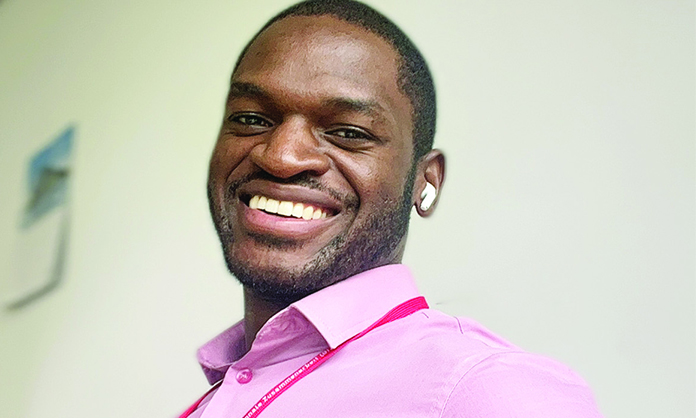
- Taapopi Angula is a digitalisation adviser at Giz South Africa.
In an age of information overload, Sunrise is The Namibian’s morning briefing, delivered at 6h00 from Monday to Friday. It offers a curated rundown of the most important stories from the past 24 hours – occasionally with a light, witty touch. It’s an essential way to stay informed. Subscribe and join our newsletter community.

The Namibian uses AI tools to assist with improved quality, accuracy and efficiency, while maintaining editorial oversight and journalistic integrity.
Stay informed with The Namibian – your source for credible journalism. Get in-depth reporting and opinions for
only N$85 a month. Invest in journalism, invest in democracy –
Subscribe Now!