




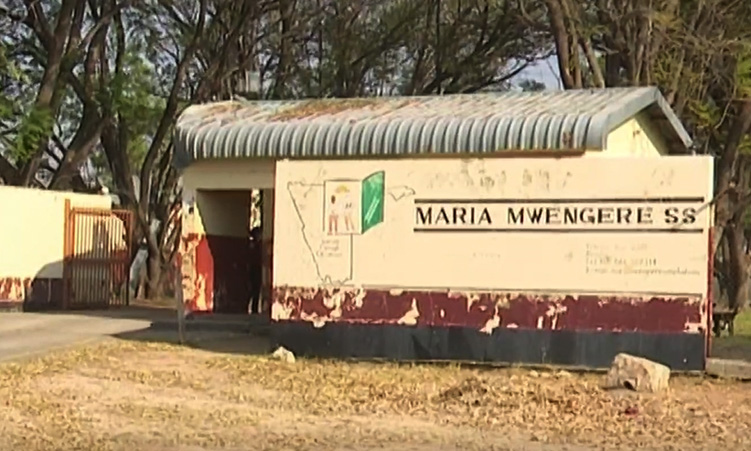
About 100 hostel pupils at Maria Mwengere Senior Secondary School fell ill due to suspected food poisoning on Sunday and Monday.
The Namibian on Tuesday reported that 33 pupils were admitted to Rundu Intermediate hospital on Sunday after displaying symptoms such as stomach cramps, dizziness and vomiting.
Another group of 67 pupils were referred to a local clinic.
Regional education director Christine Shilima this week said: “The school has not yet established whether the latest outbreak is linked to the initial incident or is a separate occurrence.”
She said the region’s senior education officer responsible for counselling was sent out to investigate the possibility of psychological factors contributing to some of the cases.
She said she suspected some pupils have developed anxiety about the hostel meals.
“When you develop that fear, you can also have stomach cramps – even diarrhoea or vomiting,” she said.
Shilima said if similar complaints persist, further measures would be taken.
Meanwhile, preliminary investigations found that the outbreak was linked to a meal served in the hostel dining hall at 14h00 on 30 August.
“The meal consisted of macaroni with thick white soup containing carrots, cabbage, beetroot, boerewors, as well as oats.
“The pupils developed symptoms six to 12 hours after the meal,” Ministry of Health and Social Services spokesperson Walters Kamaya said.
He said the team has verified the outbreak and investigations are ongoing.
The ministry is awaiting laboratory results to confirm the exact source of contamination.
Kamaya said some stool samples from affected pupils and leftover food have been collected and sent for laboratory analysis.
Inspection of the school’s kitchen and storage facilities, however, revealed poor food handling practices, he said.
“Food was reportedly stored in open containers at room temperature, and pupils were involved in peeling vegetables without supervision,” he said.
Kamaya further highlighted that the conditions in the hostel kitchen posed the risk of cross-contamination.
“Hand hygiene among food handlers was found to be inconsistent, and some leftover food items were not properly covered,” he said.
Minister of education, innovation, youth, sport, arts and culture Sanet Steenkamp yesterday told the parliament that the average age of those affected by the incident was 15 years, with most being girls.
This is according to a Young Adolescent School Survey report.
Steenkamp said a rapid response team has been deployed to the school.
It included an epidemiologist, environmental health practitioners, and a surveillance officer.
Preliminary findings, according to Steenkamp, suggest the illness may have been caused either by the food provided by the school’s catering company or by poor storage and refrigeration at the hostel.
“We treat this incident with the seriousness it deserves.
Every effort is being made to ensure the affected pupils continue to receive medical attention, while preventive measures are reinforced to avoid such incidents.”
The ministry said measures would be strengthened to improve food safety across all hostel schools.
In an age of information overload, Sunrise is The Namibian’s morning briefing, delivered at 6h00 from Monday to Friday. It offers a curated rundown of the most important stories from the past 24 hours – occasionally with a light, witty touch. It’s an essential way to stay informed. Subscribe and join our newsletter community.

The Namibian uses AI tools to assist with improved quality, accuracy and efficiency, while maintaining editorial oversight and journalistic integrity.
Stay informed with The Namibian – your source for credible journalism. Get in-depth reporting and opinions for
only N$85 a month. Invest in journalism, invest in democracy –
Subscribe Now!