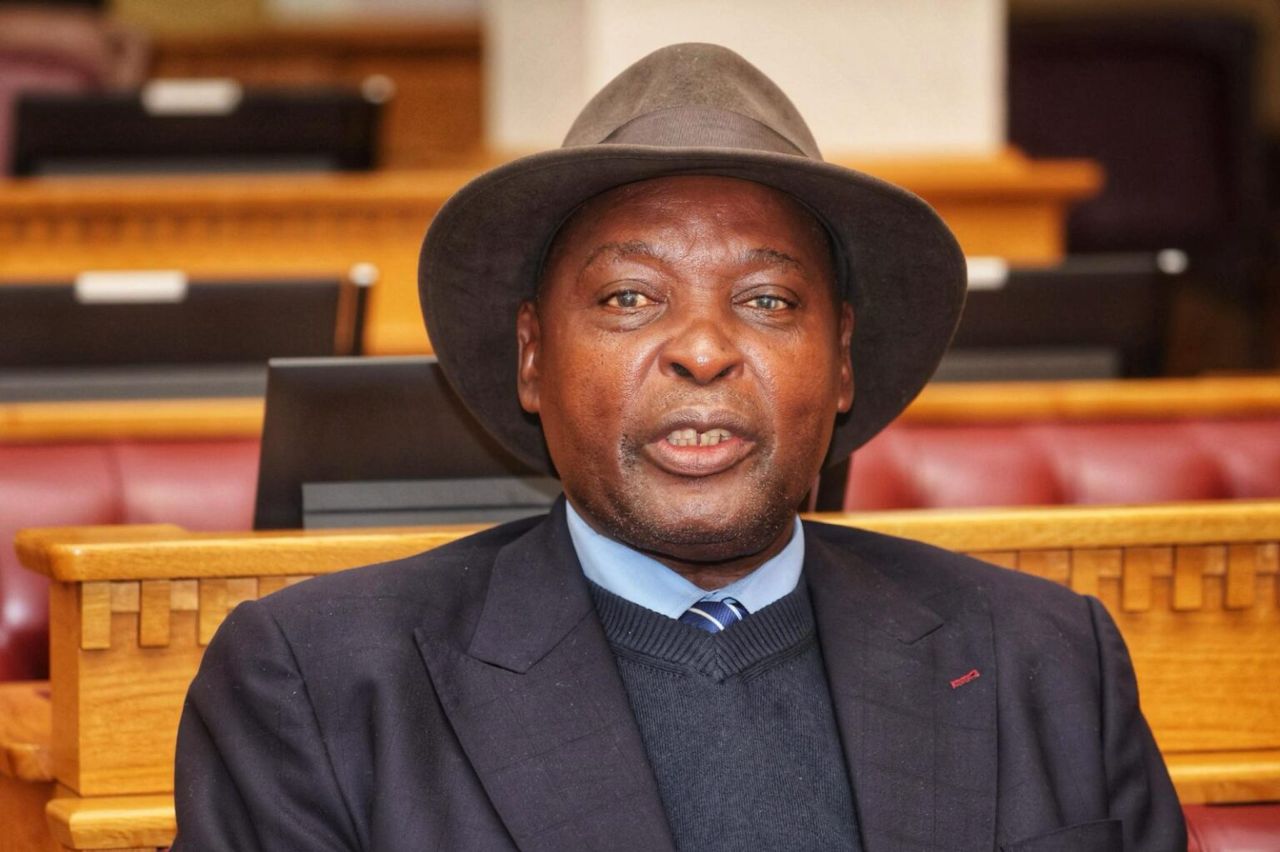



Oshana governor Elia Irimari says road accident statistics collected by the Motor Vehicle Accident (MVA) Fund indicate that the region is one of six with the highest number of road accidents, with a high risk of fatalities and serious injuries.
He says the region recorded 287 road crashes in 2022, resulting in 463 injuries and 42 fatalities.
Irimari announced this at the fourth Women in Road Safety conference at Oshakati on Thursday.
“Statistically speaking, the Oshana region accounts for 10% of all crashes on average annually. These statistics are rather concerning. Considering this, we find ourselves at a juncture where we can take a moment to contemplate road safety issues in our region and indeed the entire country. The groundwork has been laid, and the platform is now in place within our region,” he said.
Irimari said it is crucial to recognise the Oshana region as densely populated, attracting both local and international visitors – especially through trade.
“Consequently, the traffic volume on our roads is significantly high, elevating the potential for road accidents. It’s imperative to emphasise that we need not accept that these numbers are inevitable.
“We still have the capacity to devise preventive measures to address the issue,” he said.
The governor said Namibia has rectified numerous international conventions, highlighting its unwavering commitment to empowering and championing women’s active involvement in discussions on the country’s development and progress.
“The aftermath of road accidents leaves permanent wounds on families, affecting them physically, emotionally, and economically.
“At a national level, our country continues to suffer the loss of many young, economically active individuals – a stark reality highlighted by statistics.
“The loss constrains our capacity to cultivate our local economy and advance our nation,” he said.
Rosalia Martins-Hausiku said road safety is a matter of lives, families and communities.
“It is about the individuals who embark on journeys every day with the expectation of returning home safely to their loved ones.
“Sadly, this is not always the case,” she said.
Empowering communities for safer roads requires collective effort and proactive engagement, education, and the promotion of responsible behaviour on our roads, Martins-Hausiku said.
It involves creating awareness and advocating for changes in road infrastructure, vehicle safety standards, and legislation. But most importantly, it necessitates the empowerment of individuals within our communities to take ownership of their safety and the safety of others,” she said.
Martins-Hausiku called on the nation to collectively embrace road safety as a way of life.
In an age of information overload, Sunrise is The Namibian’s morning briefing, delivered at 6h00 from Monday to Friday. It offers a curated rundown of the most important stories from the past 24 hours – occasionally with a light, witty touch. It’s an essential way to stay informed. Subscribe and join our newsletter community.

The Namibian uses AI tools to assist with improved quality, accuracy and efficiency, while maintaining editorial oversight and journalistic integrity.
Stay informed with The Namibian – your source for credible journalism. Get in-depth reporting and opinions for
only N$85 a month. Invest in journalism, invest in democracy –
Subscribe Now!