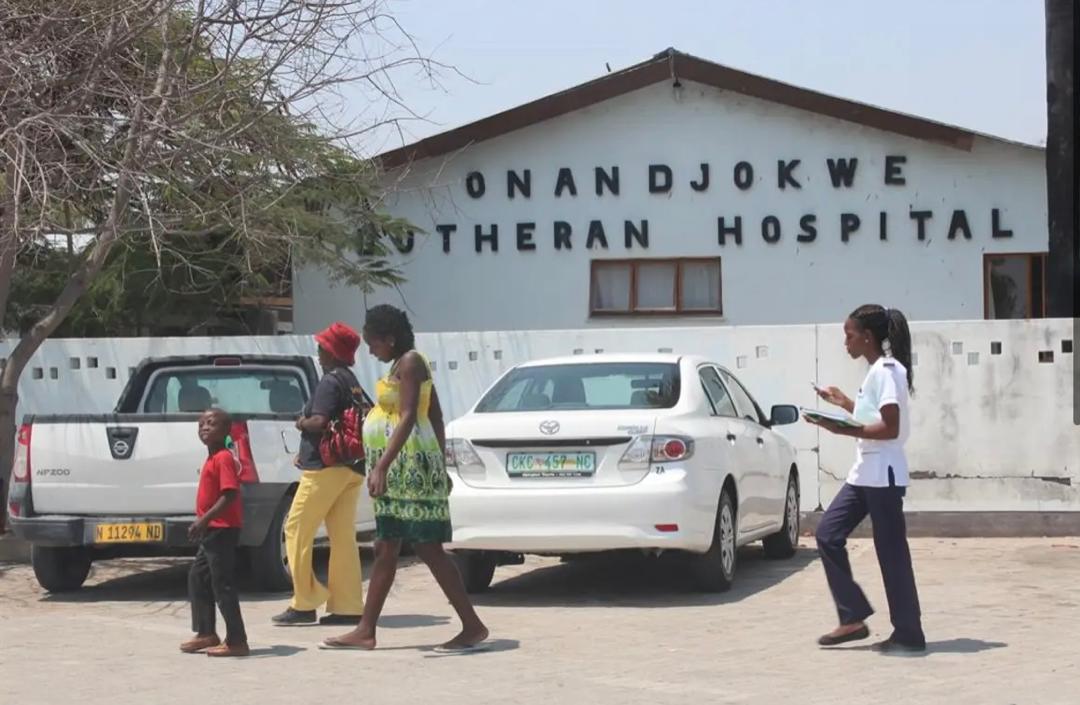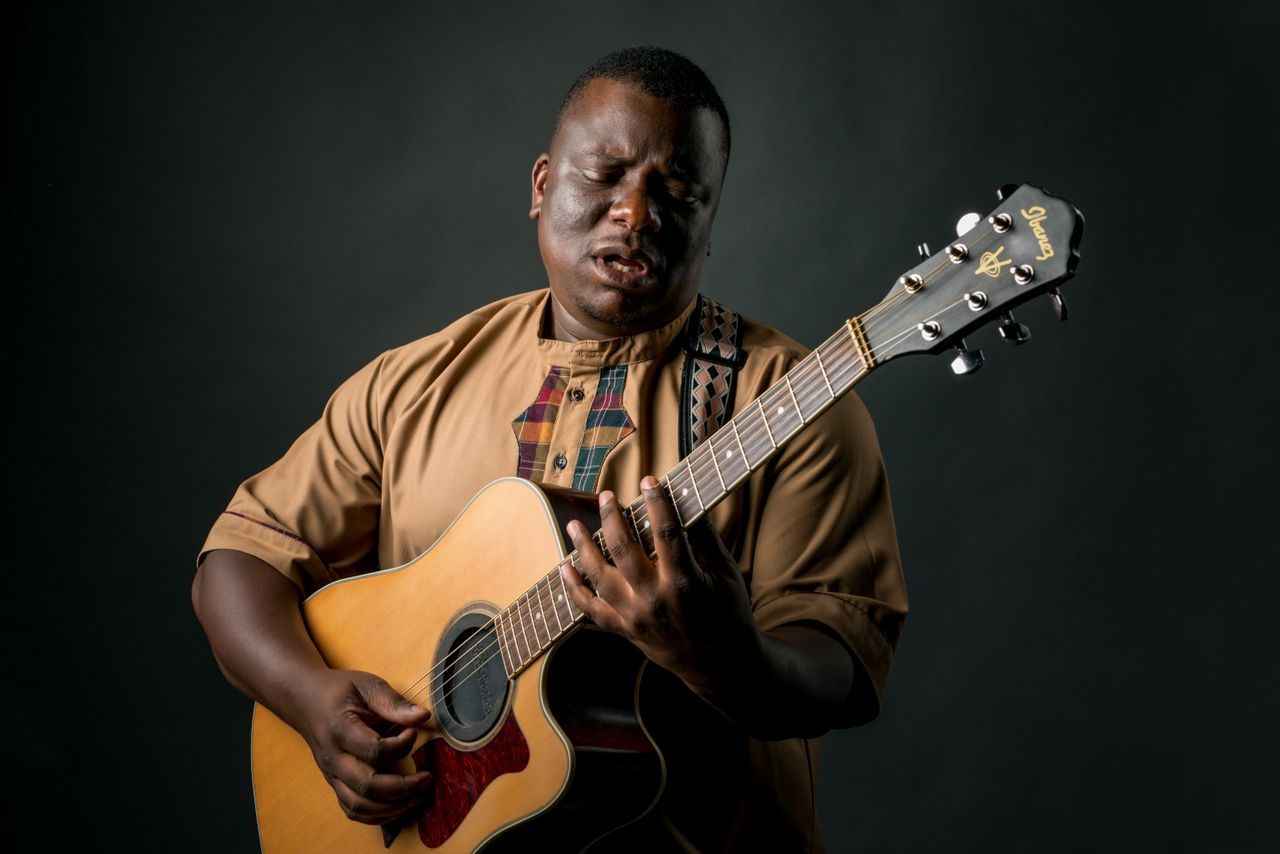



Something Jakarta and Windhoek have in common is that neither seem like an obvious choice for a touristic jaunt.
While various visitors fly in and make a beeline for the charms of Bali or the expanses of Sossuvlei, both cities are vibrant hubs of history, nightlife, art, culture and cuisine and are well worth adding to your travel itinerary.
On a recent familiarisation trip to Indonesia, the Jakarta itinerary was a whirlwind of just one day as the city celebrates its 498th anniversary. Ironically, 24 hours is also the approximate time it takes to reach Jakarta Soekarno-Hatta International Airport after jetting off from Windhoek, connecting in Johannesburg and once again in Dubai. Try that in a middle seat!
As a survivor of this precise scenario, I’m happy to report that experiencing the sites and scenes that epitomise Jakarta more than make up for the many, many hours in the air. With a population of 11 million people, Jakarta is the largest city in Southeast Asia and immediately excites the eyes in its sprawl of towering high-rises looming over a surge of cars, scooters and nimble bajajs.
At this point, you should know that Jakarta’s traffic is a thing of legend. So, it’s fitting that the first activity on a tour organised by the Jakarta Tourism and Creative Economy Department is to make use of the city’s mass rapid transit (MRT) system, built to avoid the drama altogether.
The MRT opened to the public in 2019 and aims to tame the traffic and provide an alternative to commuters. The entire population of Namibia, three million people, commute to work from outside the city each day.
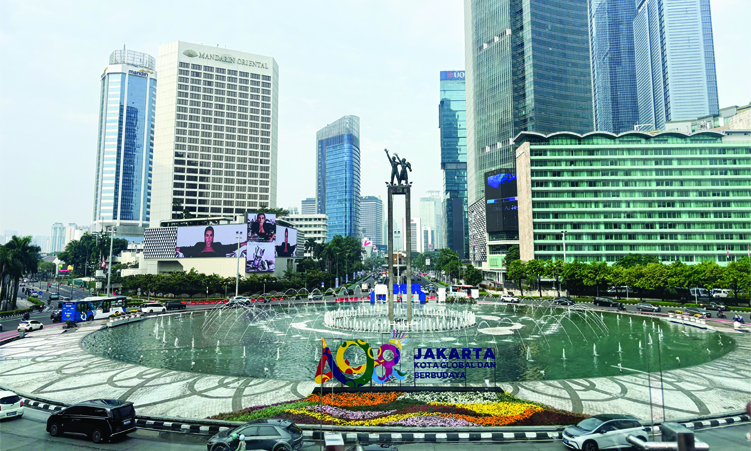
As for my journey on the sparkling MRT, the trip is fast, smooth and ends near the Bundaran HI Sky Deck, a ship-shaped observation deck atop a TransJakarta bus stop that opens onto an iconic city scene, the Selamat Datang (Welcome) Monument. The monument was commissioned by Indonesia’s first president, Achmed Sukarno, ahead of the 1962 Asian Games and depicts a man and a woman waving in greeting.
This warm welcome extends to Jakarta’s Istiqlal Mosque, which is another must-see in the Indonesian capital. Indonesia is the world’s most populous Muslim-majority country and Istiqlal Mosque, with its striking dome and stunning stainless-steel interior, is the largest mosque in Southeast Asia.
On tour with the mosque’s public relations officer, Yusuf Fauzi, there is the honour of viewing the currently unopen ‘Tunnel of Friendship’, which connects the Istiqlal Mosque to Jakarta Cathedral and signifies the hope of harmony between Indonesia’s Muslim and Christian communities. Fauzi also strikes the mosque’s bedug, a huge traditional drum that signals to Muslims before the muezzin’s recital of the Adhan (Islamic call to prayer).
If you have 24 hours in the city, Monumen Nasional (Monas) is also not to be missed. Here, you will find people from all over Indonesia ascending to a 360˚ viewpoint near the top of a 132-metre obelisk at the centre of Merdeka Square.
The national monument was erected to commemorate Indonesia’s struggle for independence from colonial rule. In the Hall Of Independence below, visitors can view the original text of the Proclamation of Independence and hear a recording of Sukarno reading the decree.
For lunch, the restaurant recommendation is Natrabu Minang, where one can enjoy its speciality of Padang cuisine served family-style and with a flourish of plates boasting everything from delicious beef rendang to spicy shrimp balado.
Fun fact: The restaurant takes its name from its former incarnation as a travel agency called National Travel Bureau. Natrabu is an abbreviation.
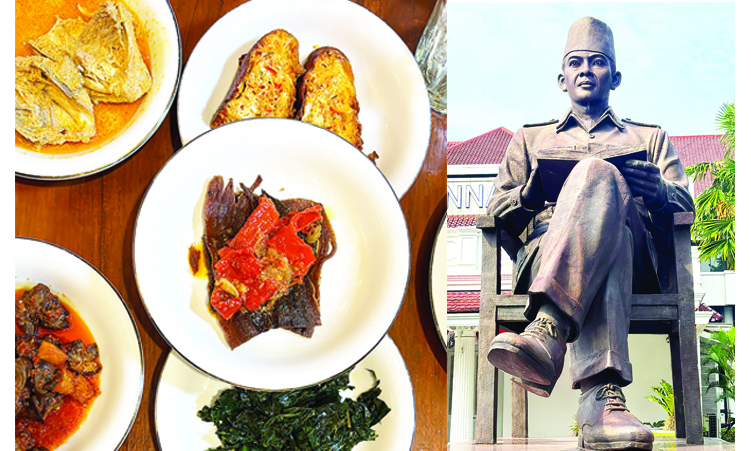
After lunch, Kota Tua (Old Town) is calling and the mode of transport around Jakarta’s original downtown is by buggy. In Kota Tua, Jakarta’s Dutch colonial history comes to life in illuminating exhibits at the Jakarta History Museum, in the area’s preserved Dutch colonial buildings and in the viewing of Kota Intan Bridge.
The wooden drawbridge recalls the port city’s maritime history and its importance as the Asian headquarters of the Dutch East India Company.
Once known as Old Batavia, Old Town is also home to Fatahillah Square, a historical centre fringed with museums and often inviting in its presentation of souvenir vendors, street performers and cultural shows.
For a refreshment break, the advice is a splash of traditional Indonesian jamu and the spot of note is Acaraki in the heart of Old Town. Acaraki is hard at work highlighting the art of jamu, a traditional Indonesian herbal drink made of natural ingredients and spices like turmeric, ginger and tamarind.
The idea is to celebrate and safeguard this tradition while reviving contemporary interest in the beverage, especially among the younger generation.
The United Nations Educational, Scientific and Cultural Organisation recognises Jamu wellness culture as Intangible Cultural Heritage. Also, the drink is delicious. One sip and you can hear your weary cells praise God for the thrill of actual nutrients.
So ends my official Jakarta familiarisation programme courtesy of the Indonesian embassy in Windhoek. But what’s a trip to a major metropolis without a taste of the nightlife?
With its wealth of high-rises, Jakarta has some incredible views and my local buddies lead the way to Basque – Bar de Tapas. Situated on the eighth floor of Noble House, the upscale venue boasts stunning interiors, good cocktails, a buzzing dancefloor and a mix of Indonesian, Basque and western cuisine.
With a flight to Yogyakarta early the next morning, I don’t stay out long but not for lack of enjoyment. I’ve experienced the MRT, seen the Welcome Monument, Istiqlal Mosque, Monas and Old Town, indulged in the nightlife and it’s only been a day.
That’s the thing about Jakarta – even if you only have 24 hours, there’s plenty to do and it’ll certainly leave you wanting more. Add this metropolis to your Indonesian itinerary if you like big, busy cities, friendly people, delicious food and intriguing oases of art, history and culture.
My pro tip for the traffic? Use the time stuck in an airconditioned Grab or GoCar (Indonesia’s answer to Uber) to get some sleep.
Your jet lag will thank you.
– martha@namibian.com.na; Martha Mukaiwa on Twitter and Instagram, marthamukaiwa.com.
In an age of information overload, Sunrise is The Namibian’s morning briefing, delivered at 6h00 from Monday to Friday. It offers a curated rundown of the most important stories from the past 24 hours – occasionally with a light, witty touch. It’s an essential way to stay informed. Subscribe and join our newsletter community.

The Namibian uses AI tools to assist with improved quality, accuracy and efficiency, while maintaining editorial oversight and journalistic integrity.
Stay informed with The Namibian – your source for credible journalism. Get in-depth reporting and opinions for
only N$85 a month. Invest in journalism, invest in democracy –
Subscribe Now!