



Protected behind glass displays, dim light and name cards that explain the significance of the object. Humanity has long been hoarders of artefacts from its past.
Be it from a scientific, cultural or historical point of view, we have built museums to house parts of our history so that they can be seen and admired by future generations.
With today being the International Day of Museums, there is no better time than the present to head down to your local museum and re-acquaint yourself with your history.
In many ways, Namibia’s towns and cities are living museums. With old German architecture prevalent in Windhoek, Lüderitz and Swakopmund, or with some of us still using clay pots or sleeping in traditional huts, which are also housed in museums, it might seem like an odd concept to have museums in Namibia at all.
Considering that a lot of the written research and collections of our history were made from a colonial point of view, it is understandable why some have a mistrust for institutions that rose from information collected by those who dissected our landscape, animals and people for sinister purposes.
But no matter how dark their origins may be, it is hard to deny that it still provides us with some insight and different perspectives into our history.
There has been a wave in recent years with the call of bringing down old colonial structures, like the Reiterdenkmal that stood in front of the Alte Feste, or the pressure by some to get rid of the Curt von Francois statue standing in front of the City of Windhoek, not to mention the name changes of the Caprivi region and Lüderitz. Our country is going through a time when it’s trying to figure out how to talk about its history and re-establish a new collective identity both culturally and politically by modernising and updating its museums and other educational institutions. Although we are still trying to find the line between what we consider our history or our colonial one, our museums are great places to judge and learn about our past.
Situated next to the Alte Feste, with panoramic views of Windhoek, the Independence Museum focuses on the struggle for independence. Starting from the colonial times when brave men and women fought for the autonomy of the Namibian people, by going to war and against the apartheid regime, it offers a chronological narrative of Namibia’s path to freedom with the use of strong imagery and some artefacts dating to our pre-colonial history.
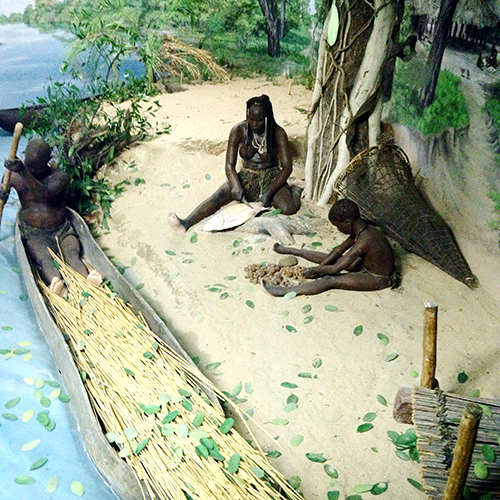
Situated next to the Public Library, the Owela museum focuses on Namibia’s natural and cultural history. With displays and dioramas of ways of life from different cultural groups and some of our local wildlife, it provides details into the daily lives of some of our cultures, which, due to modernity, is becoming a thing of the past, as well as some details about the fauna and flora found in Namibia.
Situated next to Windhoek High School, the Alte Feste was a fortress for the German colonial army during the colonial era. The Alte Feste exhibits artefacts from the colonial period, which includes some military artefacts.
It also houses the removed Reiterdenkmal statue in the courtyard, built to honour German soldiers and civilians who died in the Herero and Nama war.
In an age of information overload, Sunrise is The Namibian’s morning briefing, delivered at 6h00 from Monday to Friday. It offers a curated rundown of the most important stories from the past 24 hours – occasionally with a light, witty touch. It’s an essential way to stay informed. Subscribe and join our newsletter community.

The Namibian uses AI tools to assist with improved quality, accuracy and efficiency, while maintaining editorial oversight and journalistic integrity.
Stay informed with The Namibian – your source for credible journalism. Get in-depth reporting and opinions for
only N$85 a month. Invest in journalism, invest in democracy –
Subscribe Now!