Gondwana Kalahari Park and Gondwana Canyon Park recently conducted their annual game counts which are central to wildlife conservation efforts.
The Kalahari Park is situated just 30km north-east of Mariental on the C20, whereas the Canyon Park is located further south of the country and lies east of the Fish River Canyon on the C37.
The game counts are organised by the company’s environmental department and serve a threefold purpose. Firstly, the exercise measures the amount and type of wildlife in the park. Secondly, it underscores Gondwana Collection Namibia’s commitment to creating and maintaining sustainable nature parks. Lastly, it enhances guest experiences.
Over the past 20 years, data collected through these game counts have been instrumental in understanding and maintaining the biodiversity of the areas by managing the veld available for animals, ensuring their survival.
The Kalahari Park spans 9 000 hectares and can support up to approximately 5 000 animals, thus there is a heavy reliance on these counts to maintain ecological balance.
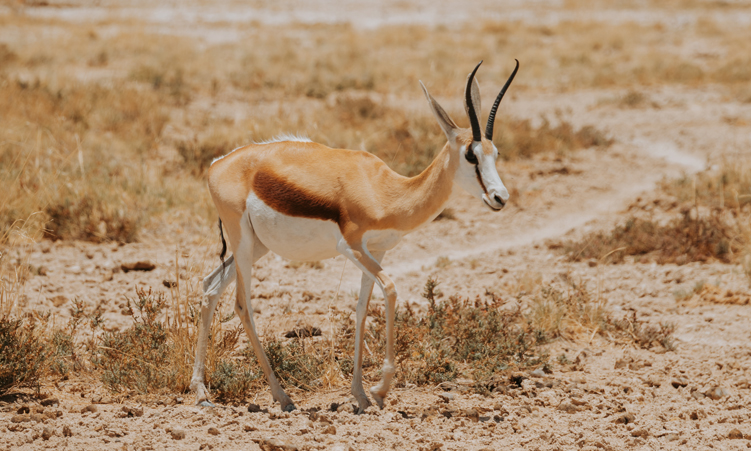
Rainfall is the primary factor influencing population changes and the carrying capacity of the park, although not the only determinants of a healthy ecosystem. The springbok serves as an indicator species, according to park rangers, because they are susceptible to the changes in the environment.
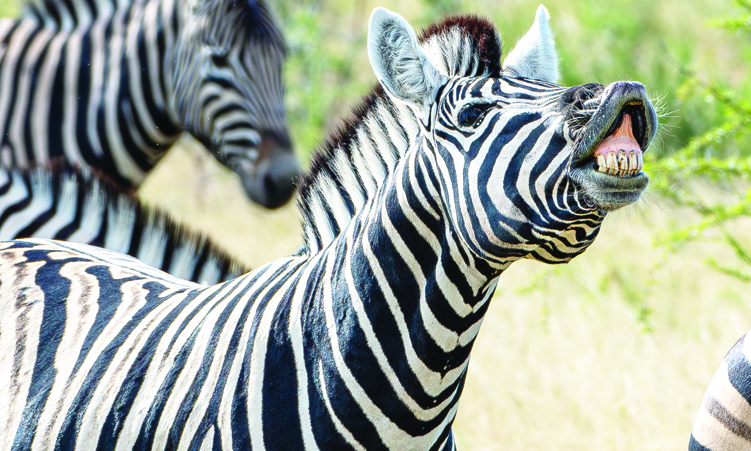
Among the notable sightings this year were several species iconic to the Kalahari region, such as springbok, blue wildebeest, plains zebra, kori bustard (heaviest flying bird), kudu and giraffe.
Data collected indicated stark drops in some species, specifically springbok populations, which dropped by 52,7%, and blue wildebeest, which significantly decreased by 82,5%.


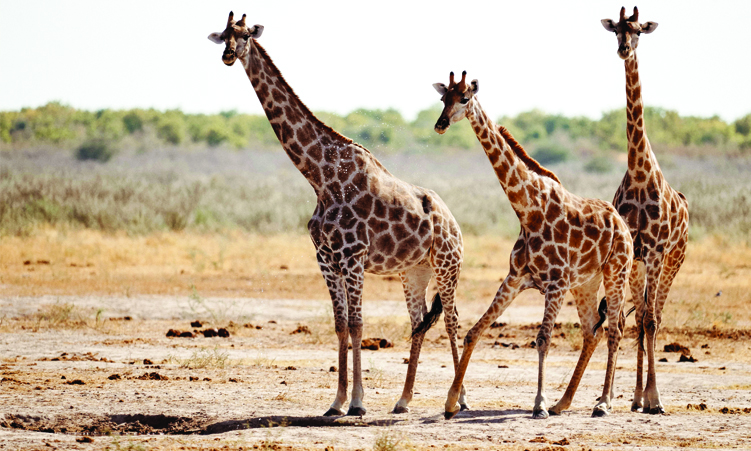
Conversely, the gemsbok and giraffe populations saw slight increases of 13% and 16,7%, respectively.
Other animal species like ostrich, plains zebra, eland and steenbok showed slight decreases in number compared to last year.
Gondwana employees, lodge guests, representatives from the Ministry of Environment, Forestry and Tourism and people from neighbouring farms participated in the count, offering a hands-on conservation experience.
The data collected informs management decisions on whether to cap the animal numbers for maintenance purposes or to reintroduce more numbers of a particular species, if data indicates that the parks may be understocked.
“The annual game count is vital for us to understand the dynamics of the wildlife populations,” Gondwana Collection Namibia group environmental and social impact manager Quintin Hartung said.
“It helps us make informed decisions about conservation strategies and ensures that we maintain the delicate balance of this ecosystem.”
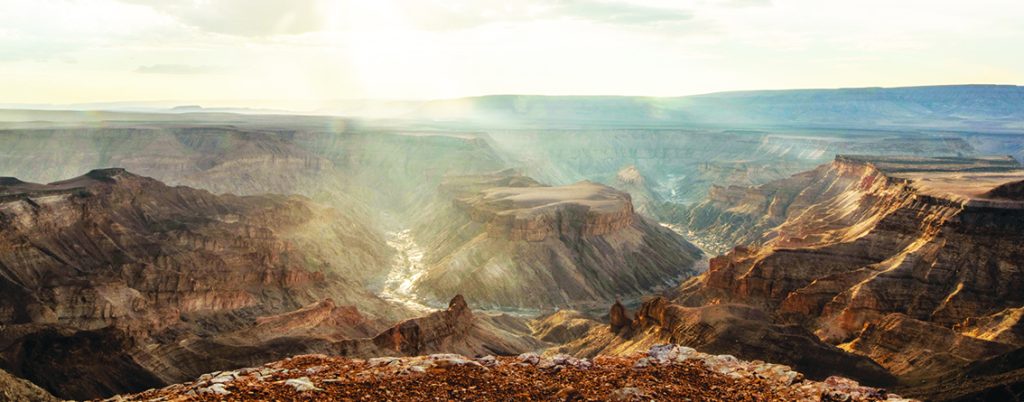
Meanwhile, Gondwana Canyon Park, another premier destination, spans 116 000 hectares and boasts a carrying capacity significantly higher than Kalahari Park. The park is renowned for its stunning landscapes, including the iconic Fish River Canyon, which is the second-largest canyon in the world.
Canyon Park is home to a diverse array of wildlife, including mountain zebra, oryx, giraffe, springbok and klipspringer.
The park’s unique ecosystem supports various bird species, reptiles and smaller mammals, contributing to the area’s rich biodiversity. The annual game count at Canyon Park is a crucial tool for monitoring these species and ensuring their habitats are protected.
Data collected from Gondwana Canyon Park reveals notable changes in animal populations compared to the previous year.
Springbok the most frequently observed species this year, have seen a significant increase of 49%. Conversely, mountain zebra numbers have slightly decreased by 12%, and gemsbok numbers have also declined by 52%.
Overall, the total count of animals surveyed shows a 16% decline from the previous year’s figures. Despite receiving slightly less than 100mm of rainfall, similar game population levels were observed compared to 2023.
Gondwana Collection Namibia has implemented several conservation initiatives in Canyon Park, including habitat restoration projects and anti-poaching measures. These efforts aim to protect the park’s wildlife and promote sustainable tourism practices.
Each of the game counts employ various correction factors like the area correction factor and species correction factor to account for any missed figures, ensuring accuracy.
The annual game counts at both parks not only preserve the regions’ unique biodiversity, but also offer guests a first-hand experience of conservation in action. These annual practices ensure the sustainability of wildlife, securing a thriving natural environment for future generations.