



Sinomines’s new metal recycling project has received environmental approval, despite controversy over recent retrenchments and union concerns about inadequate labour consultations.
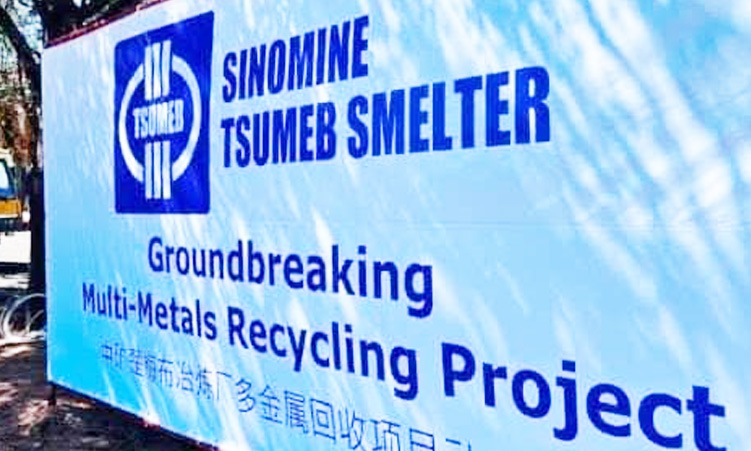
The project is to be known as Sinomine Multi-Metals Recycling (MMR) and is expected to create new job opportunities during both the construction and operational phases, offering skills development for Namibians.
The Tsumeb smelter recently announced a programme involving employees’ voluntary separation.
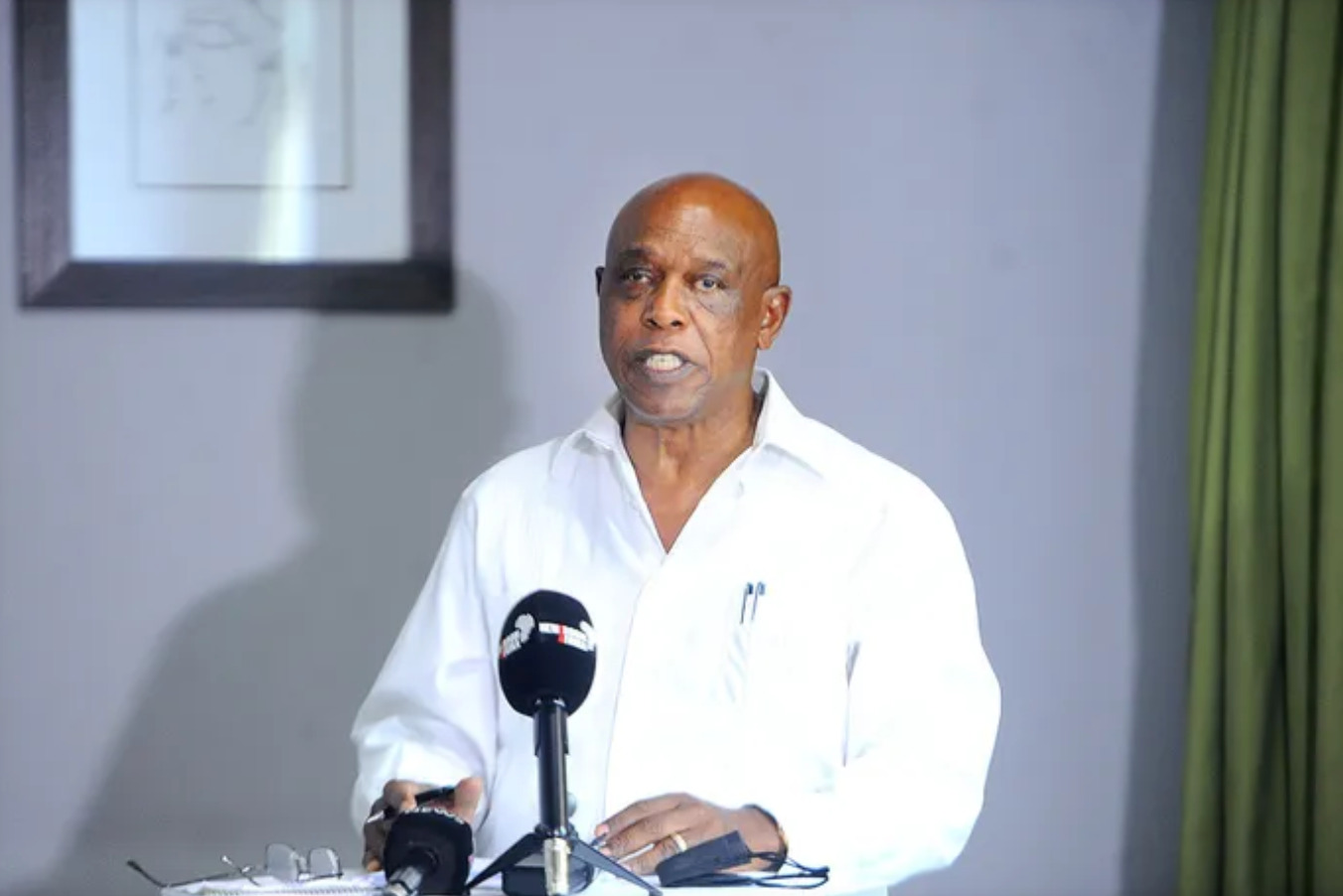
The Mineworkers Union of Namibia (MUN), which has rejected the programme, is now accusing Sinomine of changing its business model without consultation while laying off workers.
MUN secretary general George Ampweya says this shift should have been subjected to a proper consultation process that included the union.
‘NEGOTIATED, NOT IMPOSED’
“If there is a new project, it must be negotiated with the union, not imposed. Otherwise, we see this as a disguised way to exploit Namibian workers,” he says.
The union is accusing the smelter of using Sinomine’s voluntary separation programme as a way to bypass proper labour consultation procedures.
Ampweya says the union considers the process to be unlawful under the Labour Act.
“The process of consultation and negotiation based on Section 34 allows the union to propose alternatives to dismissal.
Such proposals should be discussed if a new business model is being pursued,” he says.
“In the absence of a consultation process, we are of the view that this is a clandestine operation. We do not agree with it. We demand that the company come to the table and negotiate with the union.”
‘UNFAVOURABLE COPPER MARKET’
Sinomine spokesperson Alina Garises says the recent retrenchments are the result of current unfavourable conditions in the copper market, including limited copper availability and low treatment charges.
“As a strategic response, Sinomine has placed its smelting facility under care and maintenance,” she says.
“We introduced a voluntary separation programme to allow employees to make decisions aligned with their personal circumstances as the company adapts,” she says.
Garises says while smelting operations are being scaled back, the company remains committed to long-term growth through its recycling initiative.
“We are advancing the MMR project, which will play a crucial role in ensuring the sustainability of the business. This strategic shift will support our sustainability goals and enhance our competitiveness in an evolving market landscape,” she says.
Garises has not disclosed the specific number of jobs to be created by the project, but says retrenched employees would be considered first for new positions.
She says the company plans to invest about N$2 billion over the first two years, with the project’s expected lifespan ranging from 15 to 20 years.
The recycling project has undergone a full environmental impact assessment and received its environmental clearance certificate in May.
The construction of the plant is currently underway.
Although Sinomine is shifting focus towards recycling, Garises says the company is not abandoning its copper operations.
“Sinomine Resources Group remains committed to the copper business, alongside its mining, smelting, and multi-metals recycling operations,” she says.
“Copper, lithium, rubidium, and cesium remain our core products. The current pause in copper smelting at Tsumeb is a response to market conditions, and the facility will resume operations once the market improves.”
APPROVED
Ministry of Environment and Tourism spokesperson Ndeshipanda Hamunyela confirmed the project’s approval last week, stating that the clearance followed a detailed environmental assessment and the development of a comprehensive environmental management plan.
She said before the approval, extensive public consultations and stakeholder engagements were conducted.
“As with any mining-related activity in Namibia, the Office of the Environmental Commissioner places strong emphasis on proper waste management, particularly hazardous waste.
In the case of Sinomine, the ministry has expressed specific concerns about the type of waste expected from the operation and the sensitivity of the receiving environment,” Hamunyela said.
She said one of the key conditions of the approval is that no new hazardous waste management or storage facility may be constructed on site.
Hamunyela said the project is expected to have a positive environmental impact, as it involves the remining of historical waste that has been improperly stockpiled for years, posing significant environmental risks.
“Therefore, the operation can also be considered a form of environmental remediation or clean-up,” she said.