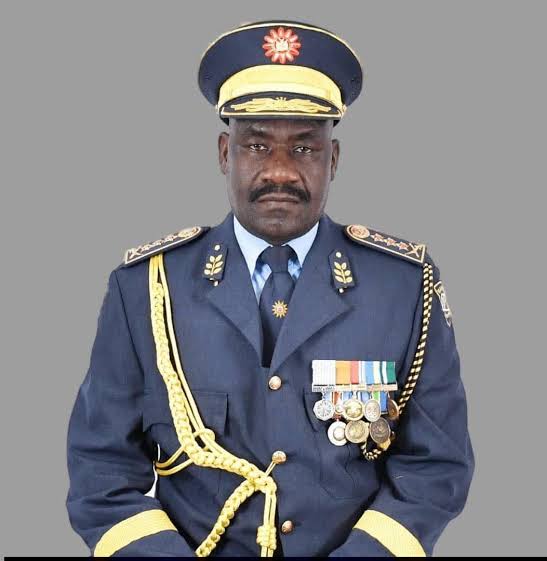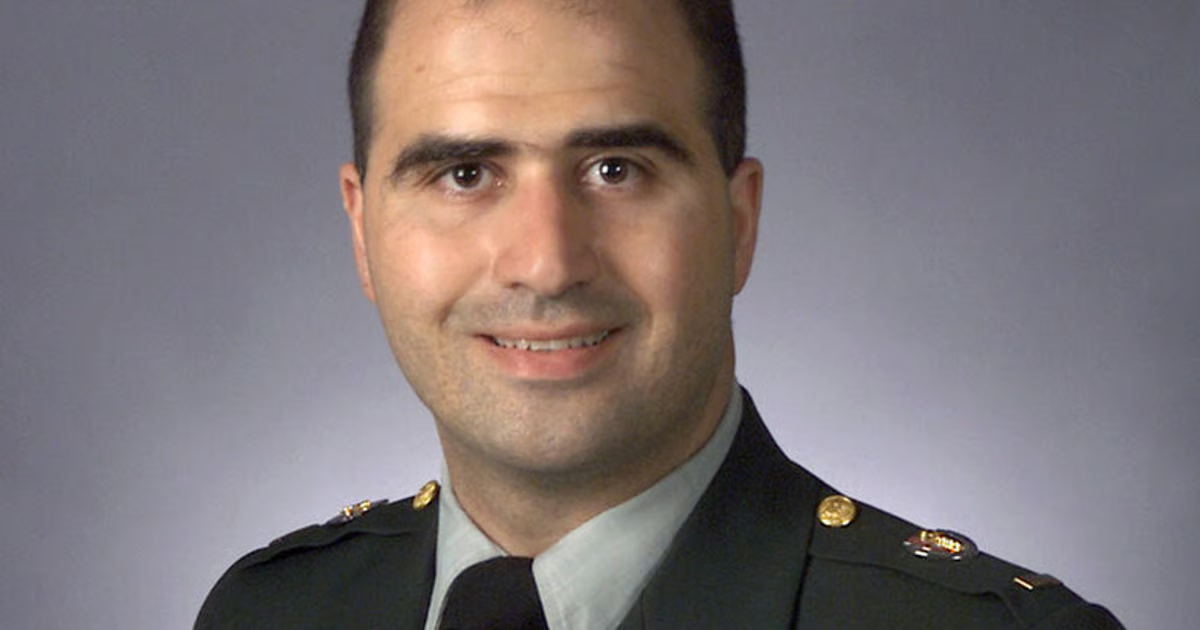






Outgoing Anti-Corruption Commission (ACC) director general Paulus Noa has cautioned against expecting the commission to simply secure convictions in every corruption case, saying the law and courts must be allowed to take their course.
Noa made the remarks yesterday as he formally ended his 20-year tenure at the ACC, which he helped establish and lead since its inception in 2006.
He handed over the seat to incoming director general Bryan Eiseb.
Reflecting on the commission’s early years, Noa says the public had expected alleged corruption cases involving institutions such as the GIPF, ODC and Social Security Commission to result in jail time for the suspects.
“The public was impatient to wait for all this to happen,” he says, adding that the ACC had to explain its powers and mandate and that the law could not operate retrospectively.
“During December time you find Father Christmas distributing sweets whether you deserve it or not.
Whether you believe in Christmas or not. But courts are not Father Christmas,” he says.
He says the ACC must provide evidence in court beyond reasonable doubt in all its alleged cases as courts only deal with evidence.
Noa’s term officially ended on 31 July, but president Netumbo Nandi-Ndaitwah appointed him to act for another two months.
His acting period ended on Wednesday.
Eiseb, the incoming director general says the ACC will move towards proactive investigations and use new technology to detect and tackle corruption.
Eiseb says the commission would no longer simply wait for corruption complaints to be reported.
“Most importantly, we will also initiate investigations and not simply wait for people or Namibians to report corrupt activities,” Eiseb says.
Furthermore, he says the ACC would act without fear or favour, regardless of a person’s position or affiliation.
“If you engage in corrupt activities, you will be dealt with irrespective of your standing in society,” he says.
Eiseb says the commission would also strengthen investigators’ capacity and introduce new technologies, particularly in analysing information.
He identified the oil and gas sector as an area requiring particular attention because of its corruption risk.
“The sector is highly prone to corruption,” Eiseb says, adding that the ACC would work with the Presidency to conduct a comprehensive sectoral risk assessment.
He plans to establish an anti-corruption fusion centre that will bring together experts from institutions with specialised mandates to improve the efficiency and effectiveness of financial crime investigations to be funded by all role players.