




Full Story
Critics blast Spanish reality show for ‘stereotyping’ San
By: NANGULA SHEJAVALIA SPANISH reality TV show has been strongly criticised by Spanish NGOs in Namibia for perpetuating negative stereotypes of Namibia fs ethnic groups.
The show ‘Perdidos En La Tribu’ – or ‘Lost in the Tribe’ – on Spain’s Channel Cuatro features three middle-class Spanish families trying to assimilate with one of three ethnic groups – the San and Himba of Namibia, and one from Indonesia – with the aim supposedly being to see which family best integrates into their assigned tribe.
But while this might sound like a bit of good fun for some, the reality – according to the show ‘s critics at least – is that the reality show portrays something far from reality.
They claim the producers having gone out of their way to stretch the truth and make the people of these communities appear “extra primitive”.
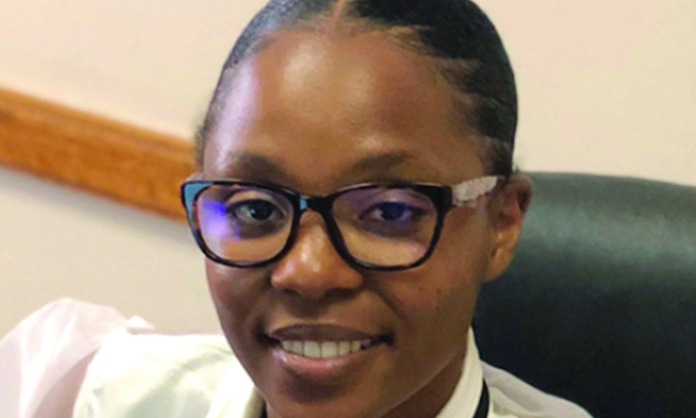
Silvia Sala, the National Co-ordinator of the Spanish Commission for Refugee Aid (FCEAR) in Namibia, says they decided to denounce the show after seeing an episode which showed the “misportrayal of the San to capture an audience”.
“It’s supposed to be a reality show, but it ridicules them (San) to a large extent based on stereotypes,” Sala says.
FCEAR works on various development projects with the San of the Donkerbos-Sonneblom community, many of whose members took part in the reality show.
To be a part of the show, the families were taken 700 km from their homes in the Omaheke Region to Mariental for filming. For a month they lived in huts instead of the corrugated-iron structures they inhabit at Donkerbos, and had to wear traditional loincloths instead of the Western-style clothes they normally wear.
San children were taken out of school for the month of filming and adults were paid N$2 100 for participating, while children received N$800 each.
FCEAR says the San should have been paid more, given the popularity of the show, which has more than 2,4 million viewers.
One member of the San community told Sala that they were instructed to portray their culture as it used to be, and not as it is now.
Since it is billed as a reality show, FCEAR feels that viewers are being misled about what the reality is on the ground.
The French news agency AFP reports that “in one scene of the show, the San express in translated comments their belief that the Molina-Herrera (family) came from the sky, and express their astonishment at their white skin and beauty”. This is despite having had contact with white people for many years.
In other scenes, the San are reportedly shown as being amazed at the concept of tinned food, and take the Spanish family on hunting expeditions, despite normally receiving food aid – which includes tinned fish – and keeping livestock at their homes.
“Who are they laughing at?” Asks Silvia Sala, and describes various gdisrespectful h and stereotypical scenes involving the San and the Himba on the show.
She adds that a potentially lost harvest, missed school time and the use of alcohol in a community that she says has established rules banning the use of alcohol are just a few of the long-term negative repercussions for the community.
“It is another lost opportunity for these communities to show first-hand their values and culture, and for us to show a respectful way to get closer to them,” states a FCEAR statement, which calls on Channel Cuatro to withdraw the show.
The Spanish Agency for International Development Co-operation (AECID) in Namibia has also expressed its concern about the show.
“The AECID also is concerned about the wrong image of the traditional communities which this type of programme transmits to the Spanish society, highlighting stereotypes which obstruct the dignification and knowledge of other cultures.
“For the AECID the programme’s contents contribute to counteracting the sensitisation campaigns, which, with great effort, intend to promote the integration of minority cultures, inseparable to the respect of people’s dignity,” it says in a statement.
Alberto Quintana, Director of AECID, says the show “in general, is in bad taste”.
“We felt we had to react because a confusing message is being sent to society, and we wanted to point out that the message is misleading in the way in which it is feeding clichés,” he says.
AECID has been providing funding to FCEAR’s programmes since 2006.
Juan Iquino, Deputy Head of Mission at the Spanish Embassy, says while the embassy could not respond officially, the Spanish government, through AECID, was also concerned about the depiction of Namibia’s ethnic groups in the show.
“This programme is not in our line,” Iquino states.
And what of Channel Cuatro’s response to the furore?
AFP reports: “A spokesperson for Cuatro said the series aims to show the contrast between Western culture and the participating tribes. Asked about the accusation that the San were depicted stereotypically, he said producers had sought ‘the most picturesque and rudimentary aspects’ of the participating families.”
Sala has called for better-informed and better-facilitated decision making on the part of the Namibian Government in order to ensure that communities can know what their rights are and what they should get paid.
nangula@namibian.com.na